- Government plans for AI growth zones, aimed at creating 500MW datacentres, are facing significant challenges.
- Lanarkshire’s proposed AI growth zone is currently unfeasible due to land and renewable energy commitments.
- Plans for Stargate UK in North Tyneside were driven by political goals rather than thorough planning.
- Job numbers and funding projections for these zones appear inflated or uncertain.
Overview of AI Growth Zones
The United Kingdom's ambitious plans to establish artificial intelligence (AI) growth zones are encountering substantial hurdles, according to a recent investigation by The Guardian. These zones aim to support the development of large-scale AI datacentres, contributing both to job creation and technological advancement.
Lanarkshire’s Unfeasible Plans
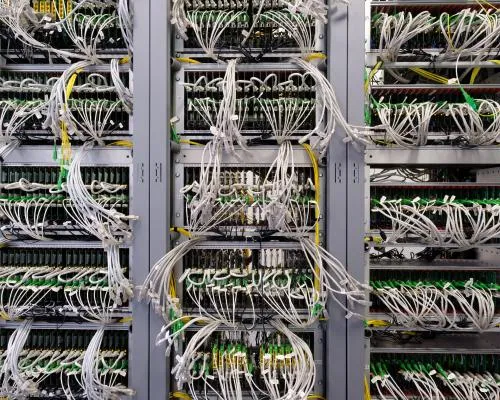
In Lanarkshire, east of Glasgow, one of the announced AI growth zones has been flagged as unachievable. DataVita, the company behind this project, had initially claimed it would be powered by a massive on-site renewable energy facility. However, internal communications and responses to The Guardian reveal that the site will ultimately rely on the national grid.
Further scrutiny of DataVita’s land holdings shows that obtaining the necessary amount of land for such an ambitious project is highly unlikely. This raises significant questions about whether the proposed AI growth zone can be realized by 2030 as originally planned.
The Significance of Power Supply
Electricity supply is a critical factor in AI infrastructure development. The strain on Britain's grid and the lengthy process for connecting new facilities pose significant challenges. This issue has led to large datacentres remaining empty in California due to lack of power connections.
The current approach by the government, which overlooks these crucial factors in planning AI growth zones, is concerning. It suggests a potentially hasty and impractical strategy that may not deliver on its promises.
Source: The Guardian

Technology News Feed
94 posts
-
 AI Drafting Tools Alter Public Perception on Sensitive Issues
AI drafting tools can alter user posts on sensitive topics like abortion and climate change, potentially reshaping public opinion over time.
-
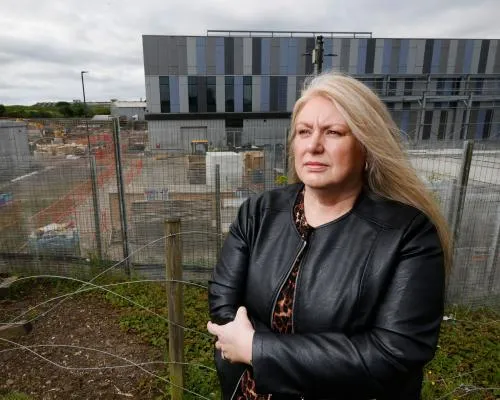 Concerns Grow in Scottish Village over AI Datacentre Project
Local residents in Newarthill fear their properties may be sold or green spaces lost as part of an AI datacentre project. Government promises about renewable energy sources are disputed.
-
 Công nghệ chip trong bóng Trionda phát hiện va chạm đến mức nào
Chi tiết về công nghệ bóng Trionda trong World Cup 2026, cách hệ thống cảm biến quán tính IMU phát hiện va chạm chính xác hơn 100 lần mỗi giây.
-
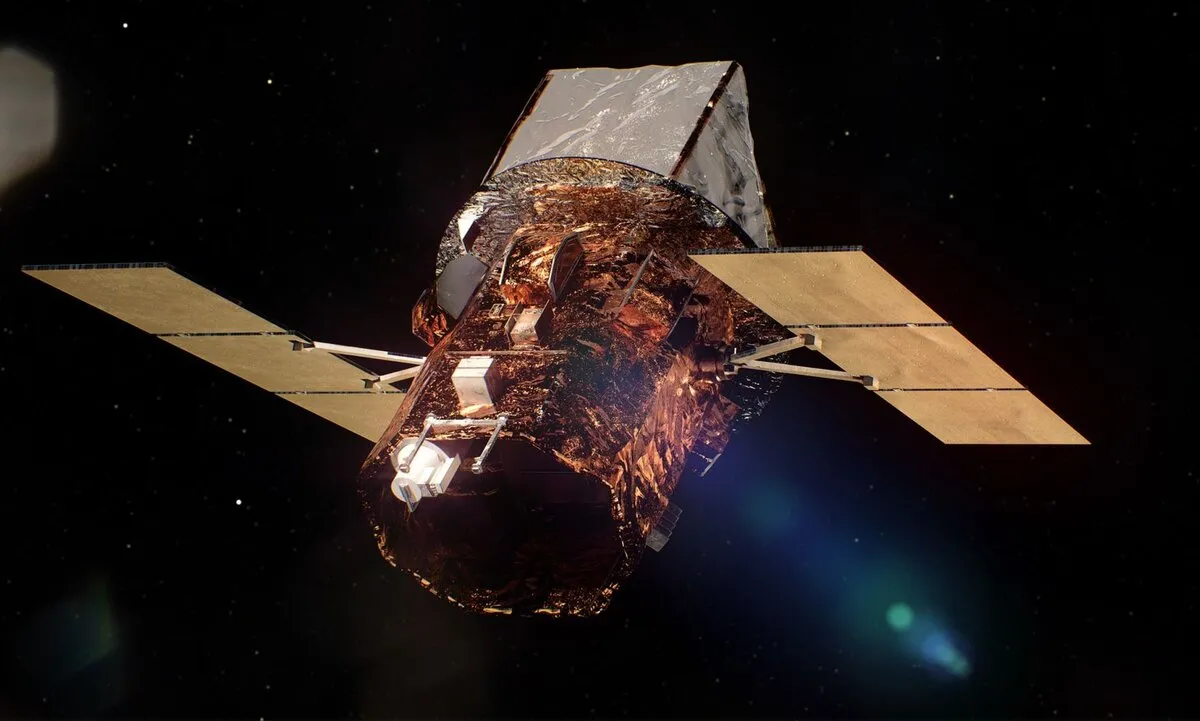 NASA triển khai robot cứu kính viễn vọngSwift trị giá 250 triệu USD
NASA triển khai robot để cứu kính viễn vọngSwift trị giá 250 triệu USD, đặt ra phương án tương lai cho hoạt động tương tự.
-
 Elon Musk's Social Media Focus on UK Race and Immigration Overshadows SpaceX IPO
An analysis of Elon Musk’s X posts reveals that he focused more on UK race and immigration during SpaceX’s IPO run-up than his own company.
-
 Mark Zuckerberg: CEO công nghệ với đam mê chăn nuôi 'thịt bò tốt nhất thế giới'
CEO Meta Mark Zuckerberg đầu tư vào dự án chăn nuôi để tạo ra loại thịt bò chất lượng cao nhất thế giới.
-
 UK’s Stargate UK Datacentre Project: A Hyped but Hypothetical Investment
The Stargate UK datacentre project appears to be a largely hypothetical investment, with key partners failing to visit the proposed site. Local leaders question its feasibility and authenticity.
-
 Cảm biến bóng xác định việt vị: Thế nào để quyết định chính xác?
FIFA sử dụng cảm biến tích hợp trong quả bóng để xác định tình huống việt vị và đưa ra quyết định chính xác.
-
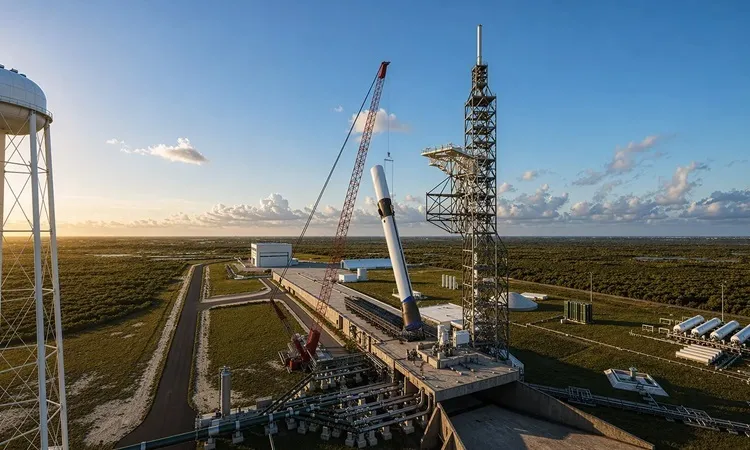 Blue Origin tái cấu hình phóng sau vụ nổ New Glenn
Blue Origin chuyển cấu hình phóng sau vụ nổ New Glenn để tăng tần suất bay.
-
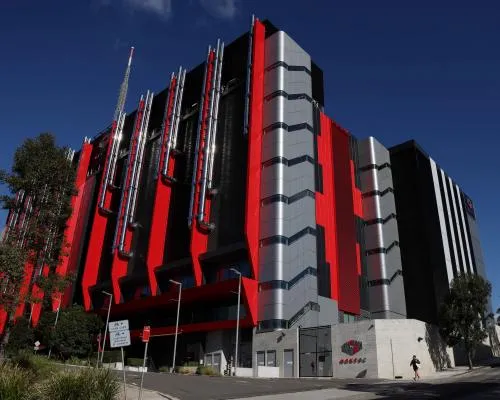 OpenAI's Sydney Office: NSW Government's Hesitation Amid AI Dystopia Fears
NSW government's cautious approach to OpenAI's Sydney office, balancing enthusiasm with environmental concerns.


