Norfolk Swallowtail Butterfly Is Found To Be a Distinct Subspecies for Over 200,000 Years

- The Norfolk swallowtail butterfly has been identified as a distinct subspecies for at least 200,000 years.
- Its genetic distinctiveness suggests it may have once had a wider distribution in European wetlands.
- Conservation efforts are needed to protect the butterfly from rising sea levels and habitat loss.
- The findings could influence future conservation strategies for the swallowtail species.
Discovery of Ancient Distinctiveness
The endangered swallowtail butterfly, Papilio machaon britannicus, has been identified as a distinct subspecies that has existed for at least 200,000 years, according to a study published in Insect Conservation and Diversity. This genetic distinctiveness challenges previous theories about its development, which suggested it had evolved in the wetlands of eastern England over just the last 8,000 years after the flooding of Doggerland.
Genetic Study and Conservation Implications
The whole-genome sequencing of swallowtail populations across Europe found evidence that britannicus has been genetically distinct from its continental cousins for a much longer period. Smaller, darker in colour, and far rarer than the more common continental swallowtail (Papilio machaon gorganus), britannicus was previously considered to have developed its distinctive form during its confinement in the wetlands of eastern England over the last 8,000 years. However, the new genetic study suggests britannicus is a wetland specialist and may have once occurred much more widely in north European wetlands, separating from its continental cousins between 200,000 and 1.7 million years ago.
The study's findings are likely to transform conservation approaches to the swallowtail in Britain. The researchers concluded that while there is some evidence of inbreeding in britannicus, its surviving populations were not suffering from damaging mutations. This genetic distinctiveness underscores the unique nature of the butterfly, making it worthy of renewed conservation efforts.
Conservation Challenges and Opportunities
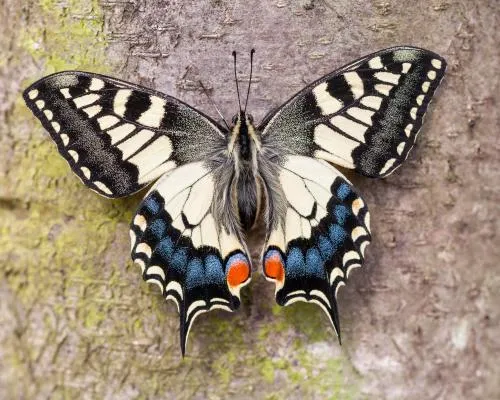
The Norfolk Broads, where britannicus is currently found, face severe threats from rising sea levels and salination due to global heating. Mark Collins, a co-author of the paper and president of the Swallowtail and Birdwing Butterfly Trust, emphasized the urgent need for conservation efforts. Collins noted that britannicus is a unique part of Britain’s natural heritage and must be preserved.
Britannicus is found nowhere else in Europe and is vulnerable to extinction because global heating is causing rising sea levels that threaten its freshwater wetland habitats. “We’re looking at a relict population in the Norfolk Broads that’s not just a relict for Britain but a relict from a once much wider distribution in wetlands across Europe,” Collins said, drawing attention to the historical significance of the butterfly's existence.
In the wild, the caterpillars of britannicus will only reliably eat milk parsley (Ammi majus), a rare wetland plant. Both the plant and the butterfly are threatened by rising seas causing the salination of the Norfolk Broads, England’s largest freshwater wetland. With most of Britain's breeding populations living at or below sea level, and salty water rapidly killing milk parsley, the species will need to be translocated to new wetland sites protected from rising seas in the longer term.
“We need to urgently identify the best sites where we can grow milk parsley and introduce the butterfly,” Collins stated. “Projects like this could ensure its survival into the future.” He highlighted the importance of identifying new wetland sites, noting that Lakenheath in Suffolk, Shapwick in Somerset, or other sites in Yorkshire are potential locations.
Future Outlook and Conservation Projects
The findings of the study also raise concerns about potential hybridization with the more widespread continental swallowtail (Papilio machaon gorganus). Some lepidopterists argue that without intervention, britannicus could be hybridized out of existence. However, Collins remains optimistic: “There’s every chance that the specialist wetland subspecies could survive in wetlands if we give it a helping hand.”
The president of the Swallowtail and Birdwing Butterfly Trust emphasized the need to protect and manage wetlands effectively. “Hybridization may occur on the fringes but britannicus can endure if we preserve our wetlands,” he said, underlining the importance of conservation efforts in safeguarding this unique subspecies.
Collins believes that with proper management, britannicus could coexist with the general swallowtail species (gorganus) within a wider landscape. “There’s every chance that the specialist wetland subspecies could survive into the future with the general swallowtail species flying around the wider countryside,” he added.
The Guardian’s 2026 invertebrate of the year competition is currently open for nominations, inviting readers to suggest a unique and deserving candidate from the over one million species out there. The competition aims to draw attention to lesser-known but equally important species like Papilio machaon britannicus.
Source: The Guardian
Green News
218 posts
-
 Europe’s Air Conditioning Debate Escalates Amid Record Heat
Europe faces a new culture war over air conditioning use amid record-breaking heatwaves, with political parties using it as an issue to gain support while health experts advocate for balanced solutions.
-
 Reflections on the 1976 UK Heatwave: Lessons from History
Residents recall the 1976 UK heatwave, sharing stories of water scarcity, high temperatures, and adapting to extreme conditions.
-
 National Park Crisis Looms as Visitation Soars
The ancient groves of giant sequoias in Yosemite National Park provide a tranquil setting. However, the increasing number of visitors has put significant…
-
 Merlin Bird ID App to Integrate with Global Biodiversity Project
The Merlin bird identification app is now linked with eBird database, allowing real-time bird data collection for conservation efforts.
-
 Europe Bakes as Record Heatwaves Grip Multiple Countries
Europe and parts of China experience record-breaking heatwaves as June temperatures soar across multiple countries.
-
 A blackbird with a taste for musicals
Letter: Jane Horne wonders if other readers hear well-known tunes in blackbird song
-
 Heatwave Hampers US Celebrations and World Cup Events
A heatwave exacerbated by climate change threatens US celebrations and international sports events this weekend.
-
 Donald Trump may be the accidental hero of a feelgood climate tale even as a creeping horror story plays alongside
Even as we watch a deadly heatwave sweep through Europe, the US president’s ineptness has created reason for optimism on the climate crisis
-
 Brutal heatwave scorches eastern US ahead of Fourth of July weekend
National Weather Service warns heat index could reach 115F as heat grips midwest, Ohio valley and east coast
-
 A bargain price for reaching net zero in Britain
Letters: Dr Charlie Gardner says the public are vastly overestimating the cost of net zero. Plus letters from Moira Gommon and Diana Francis


