- The 1976 heatwave broke previous June records, with temperatures reaching up to 37.7C.
- People recalled water shortages and high humidity making it harder to cope than in recent heatwaves.
- The impact of the 1976 drought on everyday life was profound, from household routines to academic exams.
- Residents shared their experiences, highlighting both challenges and unique memories.
The Historical Context
In June 1976, the United Kingdom experienced its hottest weather since records began, with temperatures peaking at a provisional high of 37.7C in Lingwood, Norfolk. This surpassed previous records set in both 1957 and 1976 itself. The heatwave was especially notable for its intensity and the lack of comparable events over the preceding decades.
Adapting to the Extreme Weather
Individuals from different parts of the country recounted their experiences, detailing how they managed in such challenging conditions. Margaret Waring, an 87-year-old geography teacher from Cambridge, described the lack of modern conveniences like showers and the necessity to ration water. She noted that while the current heatwave brings higher humidity and pollution, making it harder to cope, people can now access multiple showers at home.
The Impact on Society

John Ellis, a 72-year-old retired FE lecturer from Huddersfield, remembered his final exams in full academic regalia during the heatwave. The building was so hot that he and his fellow students took turns to remove their gowns temporarily. Upon returning home, John observed reservoirs like Ladybower in Derbyshire drying up, revealing long-flooded villages. This stark visual of environmental change resonated with him, emphasizing the need for climate action.
Lessons from a Drought Year
Susan Gilliam, now 79 and pregnant during the heatwave, recounted the severe water shortages in her Crystal Palace flat. She had to use a bucket of water delivered daily by lorry just for essential tasks like washing nappies. The situation was dire enough that she used only one bucket per day, queuing with other residents. These experiences highlighted the extreme conditions and the community's resilience.
Reflections on Training and Play
Mark Hainge, an 68-year-old from Hay-on-Wye, described the grueling training he underwent at Sandhurst in 1976. Despite the heat, military standards were high, with even minor infractions like dirty boots leading to detention. He contrasted this with current conditions where such issues might be questioned more critically.
Water and Nature’s Comfort
Michael Keane, a 71-year-old former lifeguard in London, remembered the 1976 heatwave as an ideal summer for his job at King George's Park swimming pool. The abundance of water allowed for fun and joking among staff and visitors alike. He highlighted how the closure of this pool due to murky waters underscored the importance of natural resources during extreme weather.
Personal Stories of Heat
Tracey, now 57 and living in Sweden, shared her memories from Devon as a seven-year-old, including experiencing sunstroke twice. Despite the lack of modern protection measures like sunscreen, they had spring water that didn't dry up. She underscored the importance of water conservation even today.
A Ladybird Invasion
Susie Wardell, an 80-year-old living in Saltburn-by-the-Sea, recalled a unique feature of the heatwave: ladybirds swarming everywhere, making it impossible to walk without stepping on them. Despite water shortages, her household was unaffected by rationing.
Source: The Guardian

Green News
218 posts
-
 Europe’s Air Conditioning Debate Escalates Amid Record Heat
Europe faces a new culture war over air conditioning use amid record-breaking heatwaves, with political parties using it as an issue to gain support while health experts advocate for balanced solutions.
-
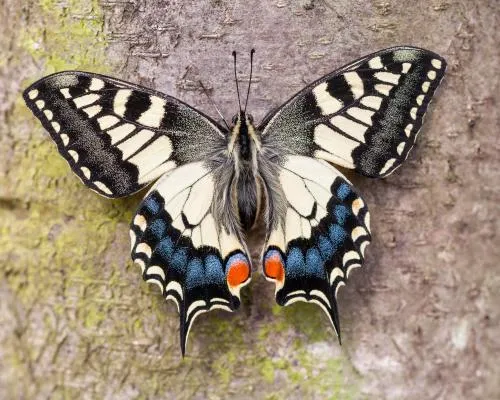 Norfolk Swallowtail Butterfly Is Found To Be a Distinct Subspecies for Over 200,000 Years
A study reveals that Britain’s endangered Norfolk swallowtail butterfly has been a distinct subspecies for at least 200,000 years, challenging previous theories and highlighting the need for urgent conservation efforts.
-
 National Park Crisis Looms as Visitation Soars
The ancient groves of giant sequoias in Yosemite National Park provide a tranquil setting. However, the increasing number of visitors has put significant…
-
 Merlin Bird ID App to Integrate with Global Biodiversity Project
The Merlin bird identification app is now linked with eBird database, allowing real-time bird data collection for conservation efforts.
-
 Europe Bakes as Record Heatwaves Grip Multiple Countries
Europe and parts of China experience record-breaking heatwaves as June temperatures soar across multiple countries.
-
 A blackbird with a taste for musicals
Letter: Jane Horne wonders if other readers hear well-known tunes in blackbird song
-
 Heatwave Hampers US Celebrations and World Cup Events
A heatwave exacerbated by climate change threatens US celebrations and international sports events this weekend.
-
 Donald Trump may be the accidental hero of a feelgood climate tale even as a creeping horror story plays alongside
Even as we watch a deadly heatwave sweep through Europe, the US president’s ineptness has created reason for optimism on the climate crisis
-
 Brutal heatwave scorches eastern US ahead of Fourth of July weekend
National Weather Service warns heat index could reach 115F as heat grips midwest, Ohio valley and east coast
-
 A bargain price for reaching net zero in Britain
Letters: Dr Charlie Gardner says the public are vastly overestimating the cost of net zero. Plus letters from Moira Gommon and Diana Francis


