- Sheep have experienced a significant increase in bluetongue cases due to midge activity.
- Farmers are advised to move livestock away from areas where midges are plentiful and vaccinate their animals.
- The disease can cause high fever and swelling of the tongue, leading to prolonged recovery times for affected sheep.
Surging Cases Amid Hot Weather
There has been a concerning rise in bluetongue cases among UK sheep, prompting farmers to take urgent measures. The viral disease, which is transmitted by biting midges (culicoides), has seen over 590 reported cases last week alone. This number marks a sharp increase from the previous week when only 115 cases were recorded.
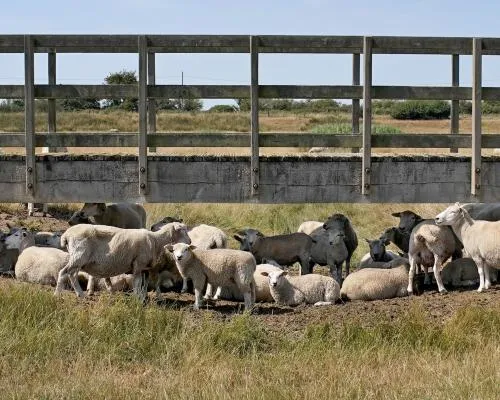
The disease, while not necessarily fatal, can have severe effects on sheep health. Symptoms include high fever and swelling of the lips and tongue, with the latter turning blue due to restricted blood flow. According to the National Sheep Association (NSA), these midges thrive in conditions of hot weather and high humidity, which have been prevalent across parts of England.
Preventive Measures
- Farmers are advised to move their livestock away from low-lying or sheltered areas where midge activity is higher.
- Additionally, they should vaccinate vulnerable animals before dawn and dusk when the midges are most active.
The National Farmers' Union (NFU) vice-president, Robyn Munt, highlighted the challenges this poses: 'Bluetongue is continuing to spread at an alarming rate and is a significant concern for livestock farmers across the country.' Concerns and Confusion
- Farmers like Dominic Elson in Devon express frustration over perceived lack of preparedness from government bodies. He reported losing one of his ewes to bluetongue, an event that was particularly disheartening given its long-term presence on the farm.
- The Animal and Plant Health Agency (APHA) reported that the virus is circulating primarily in the south-west of England and parts of Wales, where recent hot and humid weather has favored midge populations. With several months of potential activity remaining, experts advise continued vigilance and vaccination as the most effective method to protect livestock.
Source: The Guardian

Green News
304 posts
-
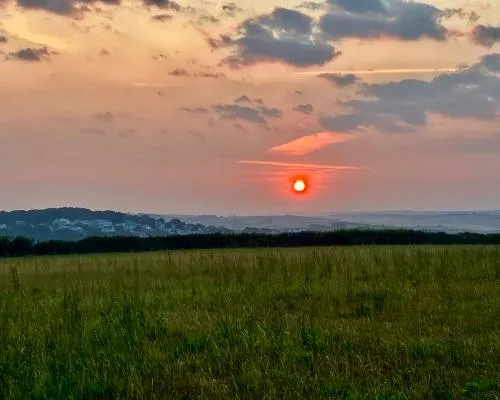 A Rural Retreat Reveals Lingering Signs of Winter Storms
A visit to South Devon reveals the lasting effects of winter storms on local landscapes while showcasing the region's natural beauty amidst a heatwave.
-
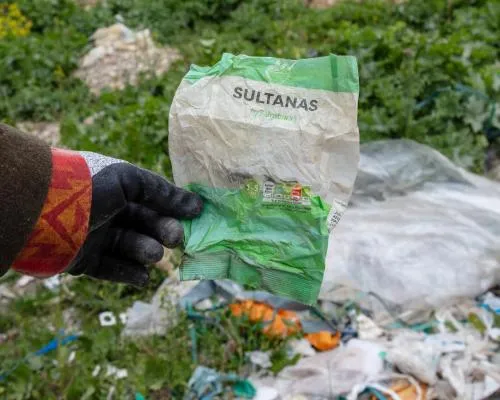 Turkey's Plastic Waste Crisis: British Companies Leave Farmers to Bear the Burden
UK companies sent over 50,000 tonnes of plastic waste to Adana, Turkey, causing severe pollution and health concerns among local farmers.
-
 Coalition Leaders’ ‘Net Zero Debate’ Misled on Renewable Energy Claims
The Coalition's 'net zero debate' with Karl Stefanovic was criticized for its inaccurate claims about renewable energy, including land usage and impacts on electricity prices.
-
 The Woodlouse: Versatile and Versatile
Woodlice, with over 300 regional names in Britain alone, are detritivores crucial for breaking down organic matter and their ability to withstand toxic pollution makes them valuable for bioremediation.
-
 Top Invertebrates of the Year: The Common Woodlouse Emerges as a Winner
The common woodlouse has been recognized as one of the year's top invertebrates through an online poll, highlighting the diversity of these often-overlooked organisms.
-
 Climate Crisis Fuels Extreme Weather Events in Europe and Asia
This article explores how climate change is intensifying extreme weather events in Europe and Asia, with insights from environment journalists on media coverage, personal actions, and systemic changes needed.
-
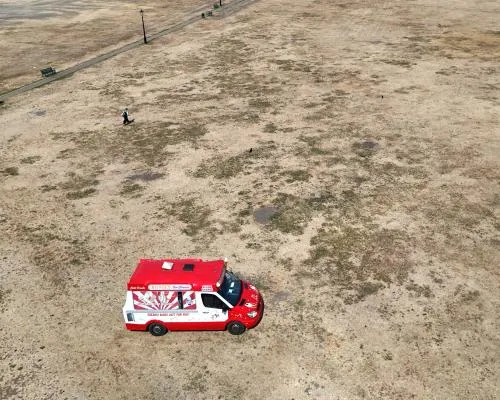 Driest July in Southern England Since 1836 Amid Climate Crisis
July 2026 was the driest month in southern England since records began nearly two centuries ago, marking a significant impact due to climate change.
-
 UK Endures Droughts and Heatwaves Amid Worsening Climate Crisis
The UK is facing severe drought conditions due to a combination of heatwaves and lack of rainfall. This article explores how these conditions are affecting agriculture, wildlife, and even revealing ancient archaeological sites.
-
 Record Solar Power Share Hits Britain’s Grid as Households Turn to Clean Energy
Solar power hit a record 14.4% share in Britain’s electricity grid in July, driven by sunny weather and a surge in new installations.
-
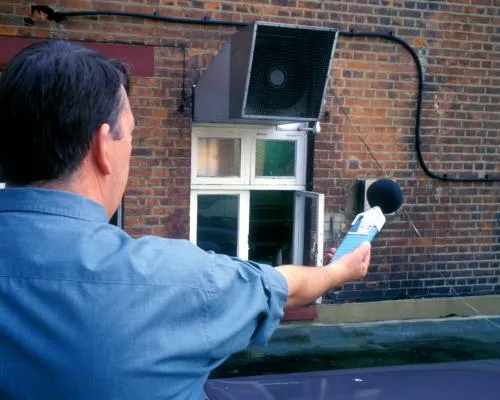 Letters: Addressing Noise Pollution Across Urban Spaces
Letters from readers discuss the impact of noise pollution in urban areas, focusing on modified vehicles, sensory overload, and potential technological solutions.


