- Canavan's claim of 12 million hectares for renewables was debunked by experts.
- Renewable energy projects, like wind farms, use significantly less land than claimed.
- Experts argue that renewable energy is driving down electricity prices and improving grid reliability.
Debunking the Claims
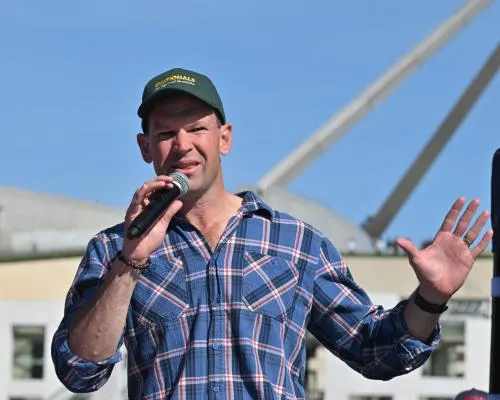
In a recent episode of Karl Stefanovic's podcast, Angus Taylor and Matt Canavan, two leading figures from the Coalition, joined forces to discuss net zero. However, their claims about renewable energy were heavily criticized by experts who pointed out significant inaccuracies in their arguments.
Land Requirements Misstated
Canavan, the Nationals leader, claimed that 12 million hectares of land would be needed for solar, wind, and transmission lines, equating this to 'two Tasmanias'. However, according to research by Net Zero Australia (NZAu), only about 2 million hectares are required. This figure includes both renewable energy installations and their associated infrastructure, such as access roads and transmission lines.
Experts noted that the actual land footprint, where turbines, panels, and related structures would be placed, is much smaller—around 500,000 hectares. This discrepancy highlights a significant misrepresentation in their claims, as detailed by the university-based research team.
Impact on Electricity Prices and Grid Reliability
The Coalition also cited rising electricity prices as evidence of renewable energy's negative impact. However, this claim was contradicted by experts who pointed out that the price increase is primarily driven by gas and coal prices, linked to Russia's invasion of Ukraine.
Recent data from the Australian Energy Market Operator (Aemo) showed a 47% drop in wholesale electricity prices over the past year. This decrease was attributed to increased renewable generation and higher grid-scale battery usage during peak periods. Additionally, CSIRO analysis suggested that abandoning net zero policies would likely result in even higher electricity costs.
Regarding reliability, Aemo reported that reliability risks are primarily due to the retirement of large power stations. Alison Reeve from the Grattan Institute stated there is 'no evidence' that renewables are making the grid less reliable. In fact, blackouts are more commonly caused by network outages and other factors unrelated to renewable energy.
Continued Misinformation in Renewable Energy Debate
The debate included Colin Boyce, a Liberal National MP for Flynn, who previously dismissed carbon dioxide as 'plant food' and argued that increased levels are beneficial. The omission of climate change from the discussion was noted as disappointing.
Canavan's claim about needing two Tasmanias worth of land for renewable energy projects has been widely criticized by experts, including Andrew Blakers from the Australian National University. He termed Canavan's statement 'plain wrong and plain silly' and called for a reality check on such claims.
The misleading claims about renewable energy not only misinform the public but also undermine efforts to transition to cleaner sources of power. It is crucial that political leaders provide accurate information to ensure informed decision-making in favor of sustainable practices.
Source: The Guardian

Green News
301 posts
-
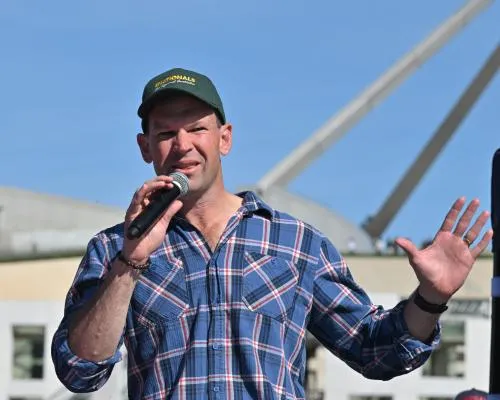 Pemimpin Koalisi Dipersilakan Debating ‘Net Zero’ Menipu Soal Klaim Energi Terbarukan
Debat 'net zero' dengan Karl Stefanovic yang dilakukan oleh pemimpin koalisi, Angus Taylor dan Matt Canavan, kritik atas klaim tidak akurat mereka tentang energi terbarukan, termasuk penanaman tanah dan dampak pada harga listrik.
-
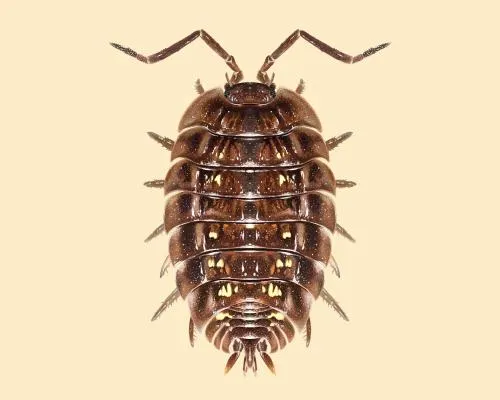 Woodlouse: Versatile dan Beragam
Kreasi berbagai nama daerah untuk woodlouse di Inggris, serta peran mereka dalam dekomposisi organik dan bioremediasi.
-
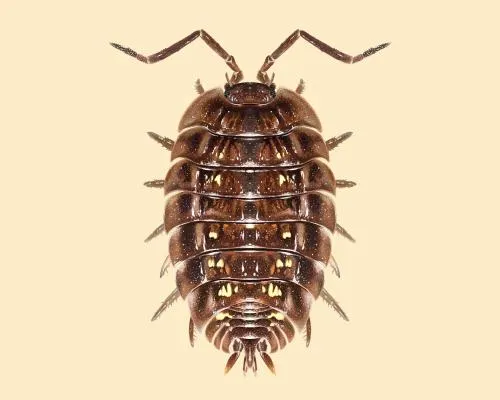 La caracolita: Versátil y valiosa
Las caracolitas, con más de 300 nombres regionales solamente en Gran Bretaña, son detritívoras cruciales para descomponer materia orgánica y su capacidad para tolerar la contaminación tóxica las hace valiosas para la bioremediación.
-
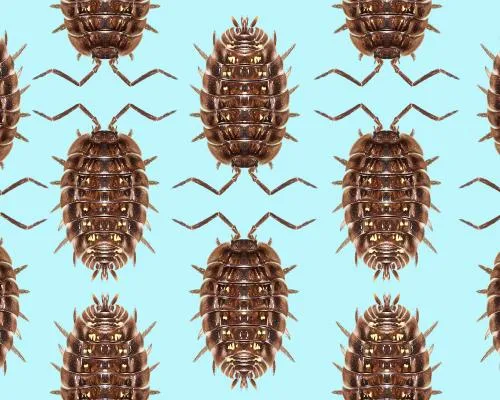 Top Invertebrata Tahun Ini: Ulat Kayu Biasa Menjadi Pemenang
Ulat kayu biasa diakui sebagai salah satu invertebrata teratas tahun ini melalui pemungutan suara online, menyoroti keanekaragaman organisme-organisme yang sering kali tidak disadari.
-
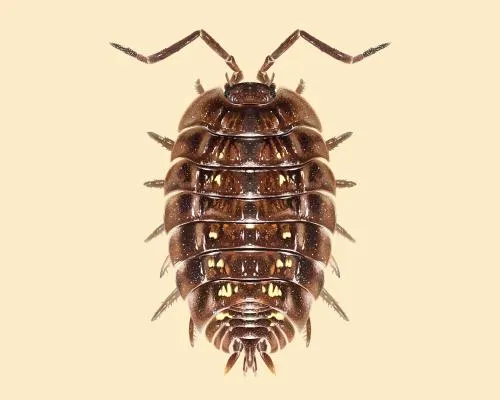 The Woodlouse: Versatile and Versatile
Woodlice, with over 300 regional names in Britain alone, are detritivores crucial for breaking down organic matter and their ability to withstand toxic pollution makes them valuable for bioremediation.
-
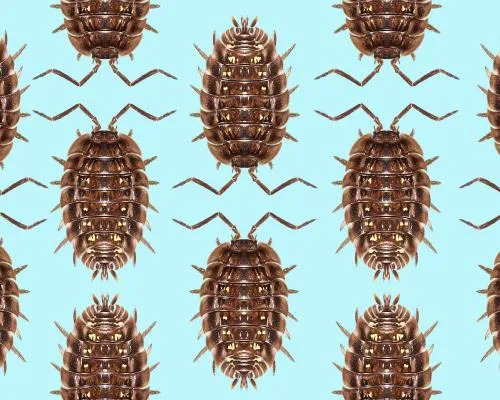 Top Invertebrates of the Year: The Common Woodlouse Emerges as a Winner
The common woodlouse has been recognized as one of the year's top invertebrates through an online poll, highlighting the diversity of these often-overlooked organisms.
-
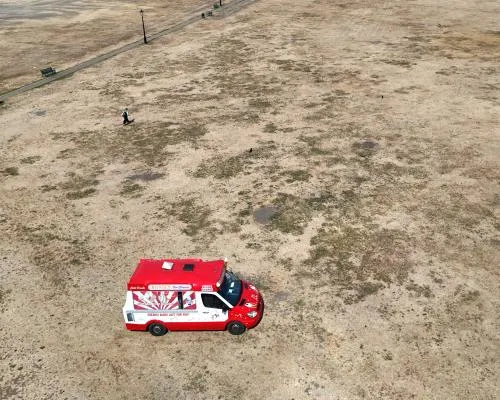 Julio más seco en Inglaterra del Sur desde 1836 en plena crisis climática
Julio de 2026 fue el mes más seco en Inglaterra del Sur desde que comenzaron los registros, marcando un impacto significativo debido a la crisis climática.
-
 Climate Crisis Fuels Extreme Weather Events in Europe and Asia
This article explores how climate change is intensifying extreme weather events in Europe and Asia, with insights from environment journalists on media coverage, personal actions, and systemic changes needed.
-
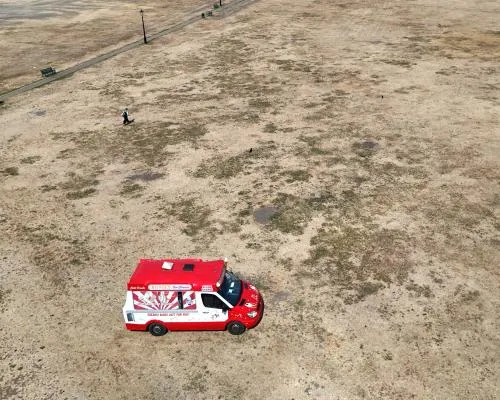 Driest July in Southern England Since 1836 Amid Climate Crisis
July 2026 was the driest month in southern England since records began nearly two centuries ago, marking a significant impact due to climate change.
-
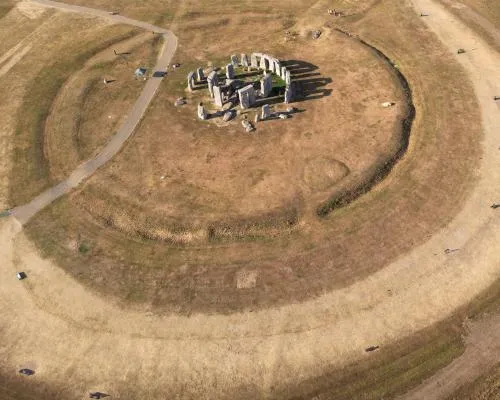 UK Menghadapi Drought dan Palu Panas Akibat Krisis Iklim yang Semakin Memburuk
Artikel ini membahas dampak buruknya dari kondisi kering yang disebabkan oleh palu panas dan kurangnya hujan di Inggris. Hal ini mengancam pertanian, satwa liar, serta bahkan menorehkan situs arkeologi lama.


