Turkey's Plastic Waste Crisis: British Companies Leave Farmers to Bear the Burden

- British companies exported over 50,000 tonnes of plastic waste to Adana, Turkey.
- Farmers in Kemal Deniz face pollution from recycling zones and toxic smoke.
- Local microplastic levels are significantly higher near recycling facilities.
Plastic Waste Imports and Their Impact
Between May 2021 and present, British companies exported approximately 52,000 tonnes of plastic waste to Kemal Deniz in Adana, Turkey. This influx has led to severe pollution issues for the local farmers, particularly those growing aubergines.
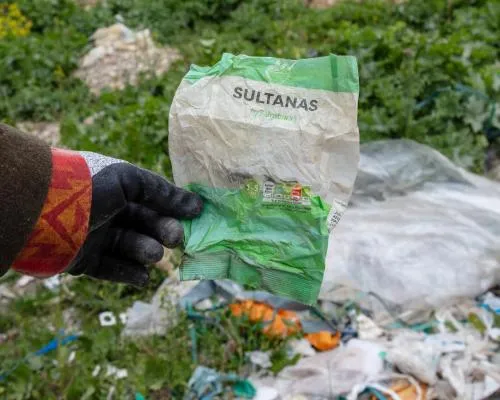
According to data analyzed by the Environmental Investigation Agency (EIA), a significant portion of this imported plastic waste is being processed at facilities within the zone, creating an environment rife with toxic fumes and debris. Microplastics and Water Contamination
New research from Sedat Gündoğdu, a marine biologist at Sabancı University’s Istanbul Policy Center, has revealed high levels of microplastics in Adana’s waterways. His study found a 10-fold increase in microplastic concentrations downstream from the Kemal Deniz recycling zone compared to upstream sites. The Kemal Deniz site houses numerous storage warehouses and facilities that discharge contaminated wastewater directly into canals used for irrigation, affecting nearby farmland.
Community Concerns and Environmental Damage
Local farmers report that every year their greenhouse tarps need cleaning due to black coatings caused by fumes from the recycling operations. In January, heavy rain flooded his land, destroying seven hectares of crops. He expressed frustration at the lack of recourse: “Nowhere to file a complaint – nobody cares.” The socio-economic divide in Adana is stark, with wealthier residents living north of the city and poorer communities, including migrants, located south near the recycling facilities.
Calls for Action
The British companies exporting plastic waste to Kemal Deniz argue that their operations are compliant. However, legal expert Amy Youngman from the EIA contends that UK waste drives these harmful operations. She urged immediate action by phasing out such exports and strengthening domestic recycling efforts. James McLeary of Biffa Polymers also called for a shift in focus, suggesting that plastic waste should be processed within controlled environments in the UK rather than being exported.
Source: The Guardian
Green News
302 posts
-
 Coalition Leaders’ ‘Net Zero Debate’ Misled on Renewable Energy Claims
The Coalition's 'net zero debate' with Karl Stefanovic was criticized for its inaccurate claims about renewable energy, including land usage and impacts on electricity prices.
-
 The Woodlouse: Versatile and Versatile
Woodlice, with over 300 regional names in Britain alone, are detritivores crucial for breaking down organic matter and their ability to withstand toxic pollution makes them valuable for bioremediation.
-
 Top Invertebrates of the Year: The Common Woodlouse Emerges as a Winner
The common woodlouse has been recognized as one of the year's top invertebrates through an online poll, highlighting the diversity of these often-overlooked organisms.
-
 Climate Crisis Fuels Extreme Weather Events in Europe and Asia
This article explores how climate change is intensifying extreme weather events in Europe and Asia, with insights from environment journalists on media coverage, personal actions, and systemic changes needed.
-
 Driest July in Southern England Since 1836 Amid Climate Crisis
July 2026 was the driest month in southern England since records began nearly two centuries ago, marking a significant impact due to climate change.
-
 UK Endures Droughts and Heatwaves Amid Worsening Climate Crisis
The UK is facing severe drought conditions due to a combination of heatwaves and lack of rainfall. This article explores how these conditions are affecting agriculture, wildlife, and even revealing ancient archaeological sites.
-
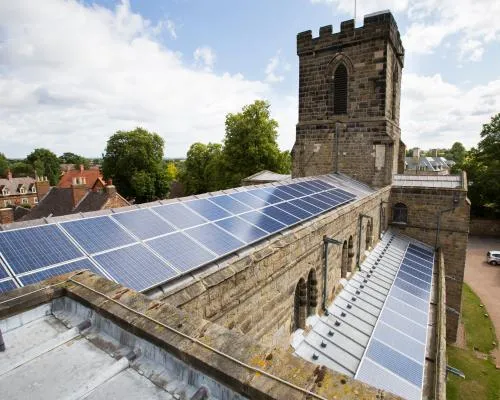 Record Solar Power Share Hits Britain’s Grid as Households Turn to Clean Energy
Solar power hit a record 14.4% share in Britain’s electricity grid in July, driven by sunny weather and a surge in new installations.
-
 Letters: Addressing Noise Pollution Across Urban Spaces
Letters from readers discuss the impact of noise pollution in urban areas, focusing on modified vehicles, sensory overload, and potential technological solutions.
-
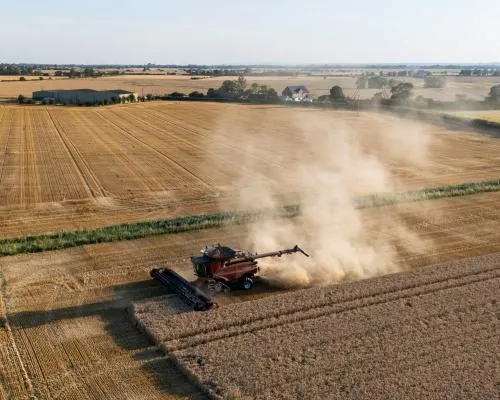 UK Farmers Warn of Potential Food Shortages Amid Persistent Drought
A prolonged drought in parts of England is raising concerns among farmers about potential food shortages. The National Farmers’ Union warns that this could be the new normal due to climate change.
-
 Protecting the Vital Role of Ponds: Reader Reactions
Readers respond to an editorial discussing the need for specific legislation to protect wildlife ponds, highlighting their temporary nature and role in supporting local species.


