- Hibernation can protect against radiation damage during long-term space travel.
- Scientists are working on techniques to induce synthetic torpor in humans.
- Hibernation could significantly reduce the resources needed for a Mars mission.
Protecting Against Radiation
The perils of long-term space travel extend far beyond microgravity and isolation. Exposure to radiation, particularly harmful cosmic rays, poses significant health risks to astronauts. Unlike Earth’s atmosphere, which blocks most harmful particles, space offers no such protection. Extended exposure can lead to severe health issues, including damage to the central nervous system and increased cancer risk.
However, nature has a solution in hibernation. During this state of dormancy, animals significantly reduce their metabolic activity, use less oxygen, and tightly pack their DNA strands, all while remaining alive. This physiological change can protect against radiation damage by minimizing cellular activities that are vulnerable to radiation exposure.
Inducing Synthetic Torpor
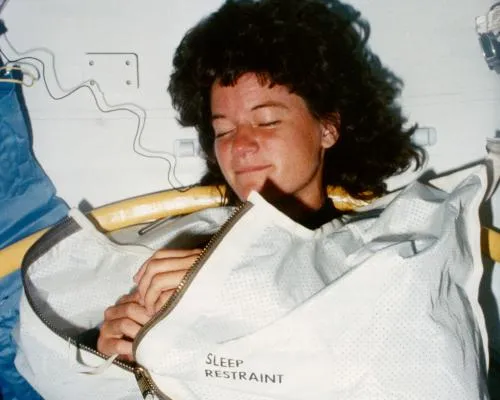
To harness the benefits of hibernation for space travel, scientists around the world are exploring techniques to induce synthetic torpor in humans. Unlike natural hibernators, humans haven’t evolved to drastically lower our metabolic rates when resources are scarce. This has led researchers to investigate non-invasive methods such as ultrasound.
Matteo Cerri and his team at the University of Bologna have been experimenting with ultrasound to trigger synthetic torpor in animals, a step that could eventually be applied to humans. While this approach is promising, more research is needed to ensure it can safely be used for long-duration space missions without causing harm.
Reducing Resources and Enhancing Efficiency
The potential benefits of hibernation extend beyond just radiation protection; they also offer significant advantages in terms of resource management. A Mars mission, for instance, requires substantial amounts of food and water per astronaut. By inducing a state similar to hibernation, the amount of resources needed can be significantly reduced, potentially lowering the payload weight and enabling faster travel times.
Clifton Callaway from the University of Pittsburgh has already demonstrated that sedatives like dexmedetomidine can reduce metabolic rates by 20%, which could translate into a substantial drop in food and water requirements. Over the course of a long mission, even small reductions in resource consumption add up significantly.
Applications Beyond Space Travel
The promise of synthetic torpor extends far beyond space exploration. Scientists are investigating its potential for treating various diseases, including cancer and Alzheimer’s disease. Hibernation seems to trigger broad repair and regenerative capacities across many organs and cell types. Moreover, it could help combat obesity by altering metabolic rates.
Researchers like Siniša Hrvatin at MIT have identified key brain regions that play a role in inducing hibernation-like states. Understanding these mechanisms could lead to new treatments for diseases where regenerative capacity is crucial or where metabolic control is beneficial.
The potential of synthetic torpor is vast, from improving the safety and efficiency of space travel to offering novel therapeutic options on Earth. As research continues, the possibility of harnessing nature’s solution to human challenges becomes increasingly tangible.
Source: The Guardian

Science Daily
113 posts
-
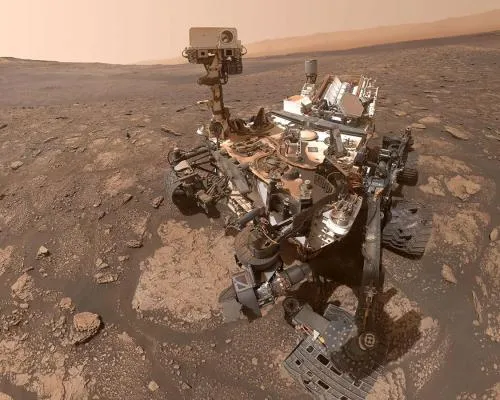 New Insights Suggest Mars Once Had Extensive Subsurface Magma
New research reveals Mars once had extensive subsurface magma reservoirs, challenging previous assumptions and expanding the potential habitability of similar planets.
-
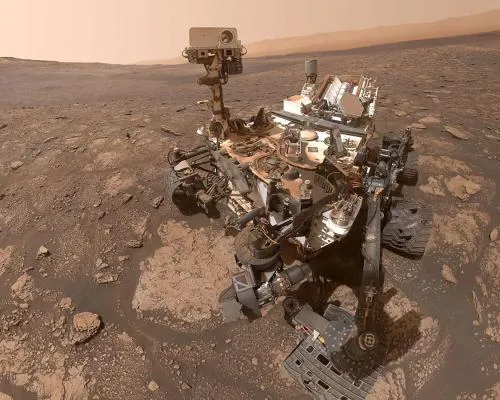 Mars Had Extensive Magma Rivers Under Its Surface, Research Suggests
Mars once had extensive magma rivers beneath its surface, expanding our understanding of its potential habitability.
-
 Solving the Coin Flip Puzzle: A Strategy That Boosts Your Chances
A game show scenario improves participants' chances from 25% to 50% by sharing one simple strategy.
-
 Puzzle Solution Reveals Surprising Strategy
A game show presents a coin-flipping challenge with an unusual winning strategy that increases the chances of success from 25% to 50%. The puzzle highlights simple probability rules and strategic thinking.
-
 Mystery Mushroom in China Prompts Hallucinations of Tiny People
A rare bolete mushroom from China can induce hallucinations of tiny people lasting for days. Researchers are studying its unique properties.
-
 Gene Editing Debate Excludes Deaf Community
A letter from Tom Lichy of the British Deaf Association highlights the exclusion of deaf people from gene-editing debates, advocating for more inclusive policy making.
-
 David Armstrong: Shaping Organisational Psychology Through Systems Psychodynamics
David Armstrong, a psychologist who spent over six decades shaping systems psychodynamics, passed away at 91. His work emphasized workplace democracy as key to innovation and efficiency.
-
 David Armstrong: A Pioneering Psychologist Who Transformed Organisational Thinking
Pioneering psychologist David Armstrong spent six decades researching systems psychodynamics, developing a practical language for understanding unconscious dimensions of work.
-
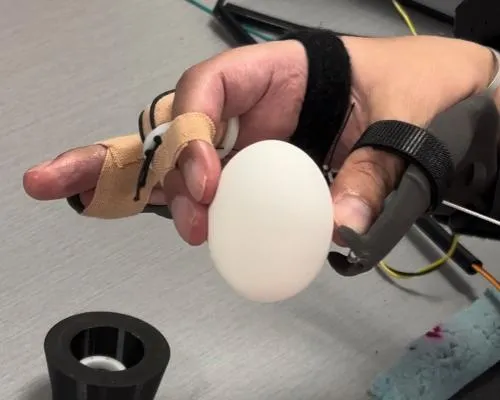 Innovative Brain Implant Restores Functionality in Paralyzed Man
A paralyzed man regains movement and touch sensation through a brain implant that bypasses his spinal cord injury, opening new possibilities for neurorehabilitation.
-
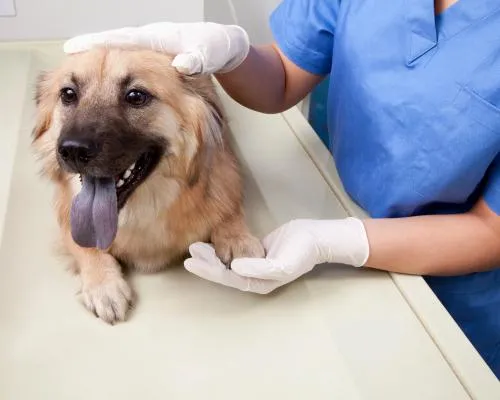 UK Vet Industry Reforms May Include Prescription Caps, Licensing
The UK government is considering reforms to the veterinary sector, including prescription caps and mandatory licensing, aiming to address rising costs for pet owners.
-
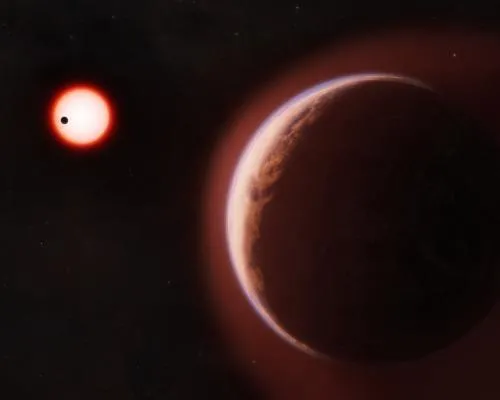 First Confirmed Atmosphere Around Rocky Exoplanet in Habitable Zone Discovered
Scientists have confirmed an atmosphere around LHS 1140b, a rocky exoplanet in the habitable zone outside our solar system.


