- Government considering capping prescriptions at £21 for pet medicine.
- Proposed measures include mandatory vet licensing similar to GP surgeries.
- Pet owners face high bills and limited competition amid industry monopolies.
Key Proposed Reforms
The UK government is contemplating significant changes to the veterinary sector, including capping prescriptions for pet medicine at £21. This move aims to address concerns over rising costs faced by pet owners while ensuring a fairer deal through increased transparency and competition.
Proposed Veterinary Licensing
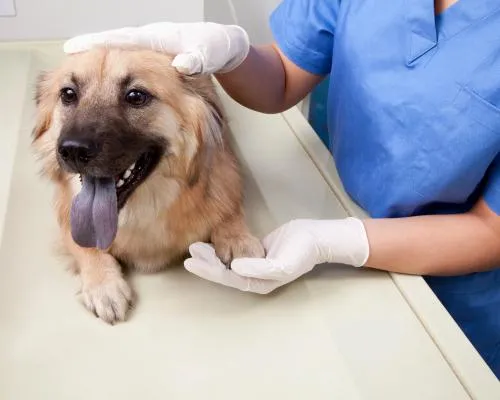
Under these proposals, every veterinary practice could be required to obtain an official operating licence—similar to how general practitioner surgeries and care homes are regulated. This move is part of a broader effort to modernize the system first established in the 1960s.
Addressing Competition Concerns
The veterinary sector has faced criticism for a lack of competition, with more than 60% of practices being owned by just six large groups. These companies, including Medivet and VetPartners, have been bought up by private equity investors or multinationals like Mars Petcare. This consolidation has limited consumer choice and driven up costs.
Regulatory Measures
To tackle these issues, the government is considering establishing a regulator for the veterinary sector. The regulator would oversee inspections, publish compliance reports, and ensure transparency in pricing and ownership structures. Emma Reynolds, the environment secretary, emphasized that these reforms aim to help pet owners avoid unexpected bills and improve the value of care provided.
Ministers highlighted the need for modernization due to significant changes in the industry since the 1960s when the Veterinary Surgeons Act was last updated. The sector now largely focuses on small animal care, with practices being dominated by a few large monopolies.
Closing Thoughts
These reforms are seen as crucial for both pet owners and veterinarians, addressing issues of high costs and lack of competition while providing better regulatory oversight. The industry changes reflect broader efforts to modernize healthcare provision in the UK, ensuring that pets receive the care they need without compromising on quality or affordability.
Source: The Guardian

Science Daily
113 posts
-
 New Insights Suggest Mars Once Had Extensive Subsurface Magma
New research reveals Mars once had extensive subsurface magma reservoirs, challenging previous assumptions and expanding the potential habitability of similar planets.
-
 Mars Had Extensive Magma Rivers Under Its Surface, Research Suggests
Mars once had extensive magma rivers beneath its surface, expanding our understanding of its potential habitability.
-
 Solving the Coin Flip Puzzle: A Strategy That Boosts Your Chances
A game show scenario improves participants' chances from 25% to 50% by sharing one simple strategy.
-
 Puzzle Solution Reveals Surprising Strategy
A game show presents a coin-flipping challenge with an unusual winning strategy that increases the chances of success from 25% to 50%. The puzzle highlights simple probability rules and strategic thinking.
-
 Mystery Mushroom in China Prompts Hallucinations of Tiny People
A rare bolete mushroom from China can induce hallucinations of tiny people lasting for days. Researchers are studying its unique properties.
-
 Gene Editing Debate Excludes Deaf Community
A letter from Tom Lichy of the British Deaf Association highlights the exclusion of deaf people from gene-editing debates, advocating for more inclusive policy making.
-
 David Armstrong: Shaping Organisational Psychology Through Systems Psychodynamics
David Armstrong, a psychologist who spent over six decades shaping systems psychodynamics, passed away at 91. His work emphasized workplace democracy as key to innovation and efficiency.
-
 David Armstrong: A Pioneering Psychologist Who Transformed Organisational Thinking
Pioneering psychologist David Armstrong spent six decades researching systems psychodynamics, developing a practical language for understanding unconscious dimensions of work.
-
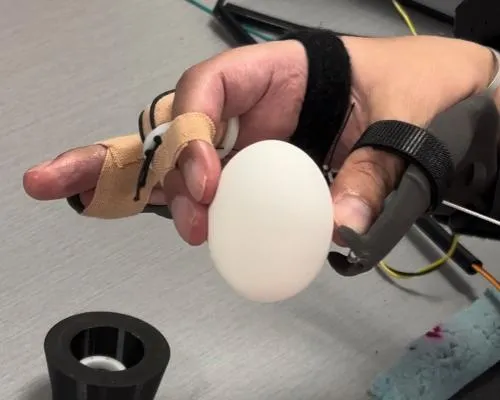 Innovative Brain Implant Restores Functionality in Paralyzed Man
A paralyzed man regains movement and touch sensation through a brain implant that bypasses his spinal cord injury, opening new possibilities for neurorehabilitation.
-
 First Confirmed Atmosphere Around Rocky Exoplanet in Habitable Zone Discovered
Scientists have confirmed an atmosphere around LHS 1140b, a rocky exoplanet in the habitable zone outside our solar system.


