Solving the Heatwave Puzzle: How Effective Are Double Layers of Curtains and Blinds?

- A room with both roller blinds and curtains reduces solar energy entering by 33%.
- Curtains block half the heat they receive, and this effect is amplified with multiple layers.
- This puzzle highlights principles of thermal radiation in a simplified model.
- The solution demonstrates how to calculate the percentage of sunlight reaching the room.
The Puzzle Setup
Earlier today, Alex Bellos presented a challenge involving keeping homes cool during a heatwave by understanding how double-layered window coverings—specifically roller blinds and curtains—work to prevent solar radiation from entering the room. The scenario considered both layers of material to be made of homogeneous substances, allowing for an analysis based on basic principles of thermal radiation.
Imagine a room with a set of curtains. When the Sun is shining, its energy comes through the windows where it is absorbed by the curtains. As the temperature rises, the curtains continue to absorb heat until they reach a stable state where they are radiating as much heat as they are absorbing. The system reaches an equilibrium where half of the heat radiated by the curtain returns towards the window and the other half is directed into the room. Therefore, 50% of the Sun's energy does not pass through the curtains.
Understanding the Solution

The key insight in this puzzle is that each layer of material (blinds and curtains) reaches a stable temperature where it radiates heat in equal amounts outwards. If we denote the total energy absorbed by the curtain as 2h, then it must have received this from the blind, meaning the blind is emitting 4h of energy.
Breaking down the thermal radiation further: The blinds are also a two-layer system with each layer radiating an equal amount inwards and outwards. Since the blinds receive h from the curtain and must emit 4h to reach equilibrium, only 3h comes directly from solar radiation. Thus, of the total energy received by the blinds (4h), 3h is actually from the Sun.
Therefore, the percentage of sunlight that enters the room after passing through both layers can be calculated as follows:
- Curtains radiate half their absorbed energy back towards the window and the other half into the room. This means 50% of the solar energy is stopped by the curtains.
- The blinds, which also receive h from the curtain, emit 2h forwards and 2h backwards to reach equilibrium.
Given this, only 3h out of the 4h emitted by the blinds comes directly from solar radiation. Since one-third (3h) enters the room, the percentage of sunlight that actually penetrates both layers is calculated as 33%.
The Mathematical Breakdown
Using a diagram to visualize the flow of heat, we can see how each layer interacts with the incoming solar radiation. The curtain radiates half its received energy back towards the blind and the other half into the room. Similarly, the blind emits equal amounts both ways.
The calculations go as follows:
- Curtains absorb 2h of heat from the Sun.
- This absorbed heat must be radiated outwards, so they emit h towards the window and h into the room. Therefore, curtains stop 50% of the solar energy.
- Blinds receive h from the curtain and must emit 4h to reach equilibrium.
- Out of this 4h emitted by the blinds, only 3h comes directly from solar radiation because a portion is also emitted towards the room.
Thus, if 3h enters the room out of the total 4h emitted by the blinds, the percentage of sunlight that actually passes through both layers and reaches the room is calculated as 33%.
Conclusion
This puzzle not only demonstrates practical applications of physics but also offers a deeper understanding of thermal dynamics within enclosed spaces. Such puzzles are regularly featured by Bellos in his column, serving as engaging ways to explore scientific concepts through everyday scenarios. Future challenges will continue to challenge readers' intellects, ensuring an ongoing exploration of the fascinating world of science.
Alex Bellos has been setting a puzzle here on alternate Mondays since 2015 and is always on the lookout for great puzzles. If you would like to suggest one, feel free to email him. The next puzzle will be published in two weeks.
Source: The Guardian
Science Daily
142 posts
-
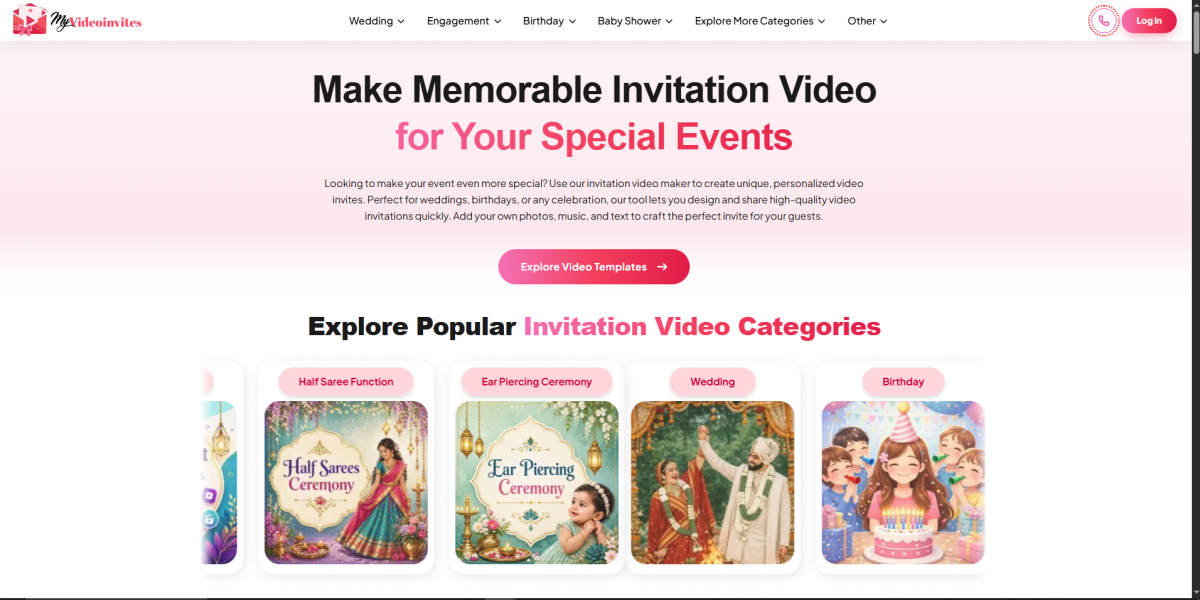 Royal Rajasthani Wedding Invitation Video
Elegant Rajputana Video Invites
-
 Vivino Clone Script: Launch Your Own Wine Discovery & Marketplace Platform
Vivino Clone by Miracuves is a comprehensive wine discovery and marketplace platform that connects wine enthusiasts, wineries, retailers, and distributors in one ecosystem. Users can scan wine labels, explore ratings and reviews, receive personalized recommendations, discover food pairings
-
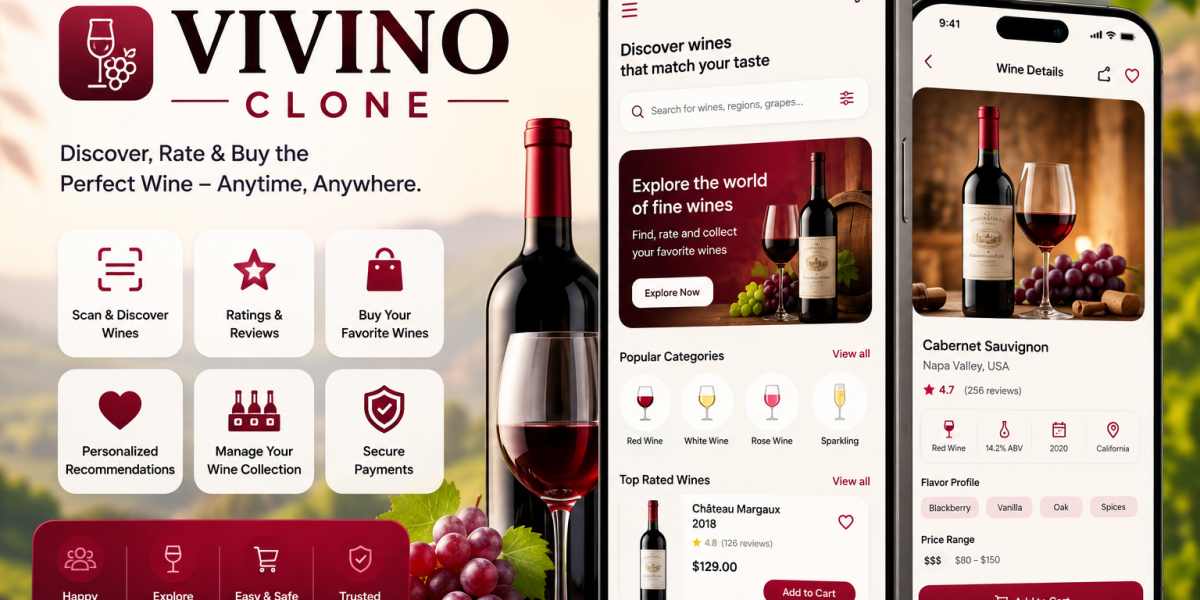 Vivino Clone Script: Launch Your Own Wine Discovery & Marketplace Platform
Vivino Clone Script: Launch Your Own Wine Discovery & Marketplace Platform
-
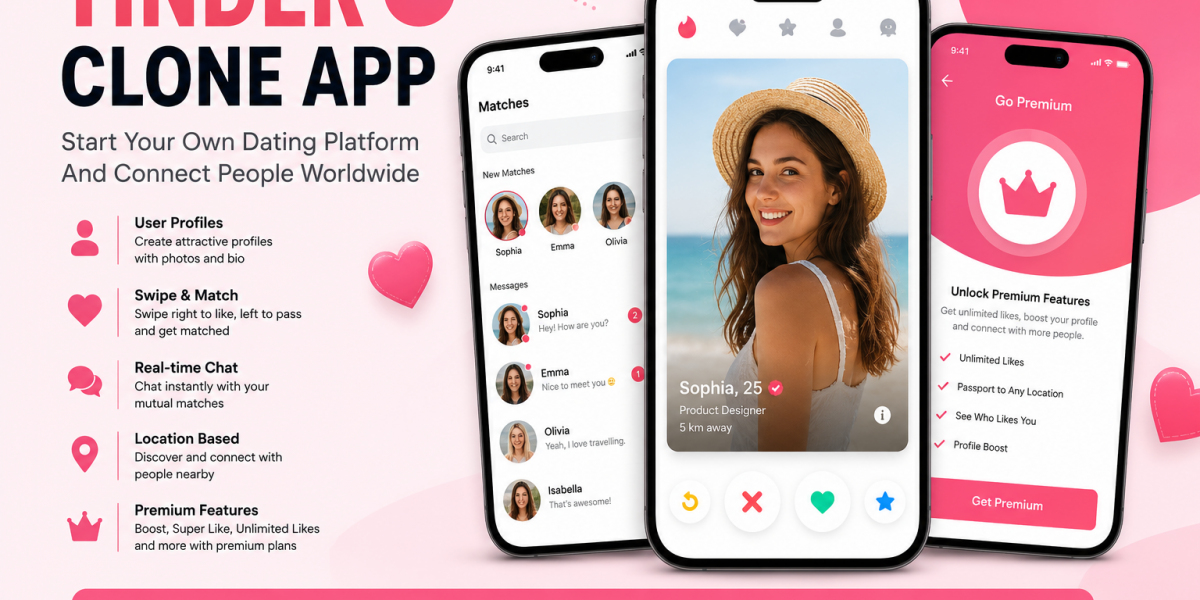 Tinder Clone App Development: Build a Modern Dating Platform That Users Love
Launch your own dating platform with Miracuves' Tinder Clone. Offer swipe-based matching, real-time chat, profile verification, location-based discovery, and premium memberships. Build a scalable dating app with advanced monetization features, complete source code ownership, and a se
-
 Play-to-Earn Gaming: The New Era of Digital Income in Gaming Industry
The gaming industry is undergoing a significant transformation with the rise of the play-to-earn model, which is redefining how players interact with games and derive value from them.
-
 Top 10 Tips to Boost User Engagement on Your Uber Clone
Launch uber clone in your region for high revenue
-
 Cloud Adoption Strategies Guided by DevOps Consulting Companies in India
Leading DevOps consulting company in India offering CI/CD setup, cloud automation, infrastructure scaling, and secure deployment workflows for enterprises.
-
 How Do Indian Teams Manage Mobile App Projects Successfully?
Indian teams excel in managing mobile app projects successfully, and Devherds leverages skilled developers, agile methodologies, and clear communication to deliver high-quality, timely, and scalable app solutions.
-
 Key Services Offered by a Web Development Company in Chennai
We are a website development company in Chennai offering website development services that are fast, mobile-friendly, and built to grow your business online.
-
 No More Compromise Fits — Designer-Level Plus-Size Pants Under ₹3000
Discover Amydus's game-changing Plus Size Pants under ₹3000—no more fit compromises! From tummy shaper high-waist flares to cotton bell bottoms, embrace curves with designer-level style in sizes 2XL-9XL. Comfort, trends, and confidence await.
-
 Why Sitecore SaaS Is Transforming the Future of Sitecore Outsourcing
Discover how Sitecore SaaS and outsourcing redefine digital transformation with scalability, flexibility, and innovation.


