- English has been declared an official language alongside Māori and sign language in New Zealand.
- The legislation faced criticism from linguists and legal experts, who considered it unnecessary given the dominance of English.
- Opposition parties opposed the bill, while major parties supported it as part of a coalition deal.
- Experts argue that the move is more about ideology than practical necessity.
Legislative Background
The New Zealand government recently passed legislation recognizing English as an official language alongside Māori and sign language. This action, part of a coalition agreement between the National party and New Zealand First, aimed to align legal documents with longstanding practice but faced significant opposition from various quarters.Opposition and Criticism
The decision has sparked intense debate among linguists and legal experts who argue that English, spoken by 95% of the population, does not require such a status. During parliamentary debates, Green party member Tamatha Paul described the bill as 'a pathetic waste,' noting it was an unnecessary move in a country where English is already dominant.Dr. Sidney Wong, a linguist from Te Pūnaha Matatini, stated that official language status is typically given to languages facing threats of extinction or needing special protection services. He contended that the bill's primary motivation appeared to be ideological rather than practical, as it did not address potential areas of concern for the English language.Government Justification
Despite opposition, both major and minor parties supported the legislation in a bid to form government. National party officials cited the need to honor agreements with coalition partners. New Zealand First leader Winston Peters argued that the bill was necessary due to confusion caused by the use of Māori in public services.Expert Analysis
Legal scholar Dean Knight from Victoria University of Wellington described the legislation as 'a pointless exercise,' emphasizing that it would make no practical difference legally or practically. He noted that, despite claims to the contrary, the law did not mandate priority for English in government communications.Dr. Knight's analysis aligns with other critics who suggest the bill is more symbolic than substantive, given the already dominant position of English in New Zealand society.Source: The Guardian


Guardian News World
611 posts
-
 Bird Flu Spreads in Australia with Second State Reporting Mass Mortality Events
Mass bird deaths due to H5 bird flu have been confirmed in a second Australian state as government officials warn of an extended period of challenges for native wildlife.
-
 Second State Reports Suspected Mass Bird Flu Deaths Amid Ongoing Outbreak
Aerial surveillance in South Australia and Victoria confirms multiple mass mortality events linked to H5 bird flu, raising concerns for ongoing wildlife impact.
-
 Iran Rejects US Talks Claims Amid Ongoing Regional Tensions
Iran denies upcoming talks with the US amid rising tensions, while crude oil prices fall and military operations continue in Lebanon.
-
 Europe Grapples with Severe Heatwave and Energy Crisis
Europe is facing a severe energy crunch due to extreme weather conditions, impacting nuclear power plants and hydropower generation across multiple countries.
-
 US Intervenes to Support Japanese Yen Amid Economic Concerns
The United States has intervened to support Japan's weakening yen, marking a rare cooperation that could impact global economic dynamics.
-
 UK Home Office Letters Question EU Citizens' Residency Rights
The UK Home Office is reviewing some EU citizens' Brexit-related residency rights, potentially affecting thousands of people who have built their lives in the country.
-
 Police Failed to Arrest Suspect Before Infant’s Tragic Death
Cleveland police failed to arrest a man who had breached a non-molestation order before he sexually assaulted and killed his girlfriend's two-year-old daughter. Simpson was convicted alongside Walker for their roles in the murder, leading to life sentences.
-
 Volunteers Mobilize in North-East England to Clean Up Nurdle Spillage
A massive cleanup effort has mobilized thousands of volunteers across the north-east of England to address a spillage of plastic pellets known as nurdles, which were released into water following a ship collision.
-
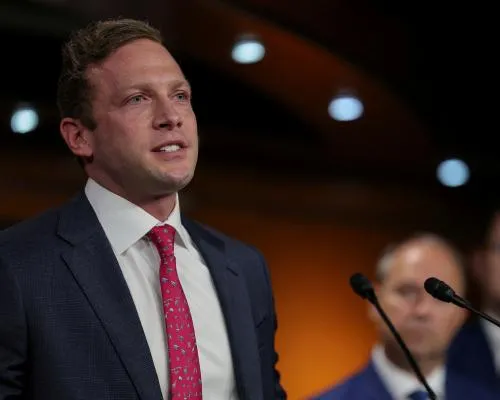 Republican Senator Calls for Congressman’s Resignation Amid Abuse Allegations
Republican Senator Bernie Moreno demands Congressman Max Miller resign amid abuse claims. Miller denies all accusations, stating no charges were filed.
-
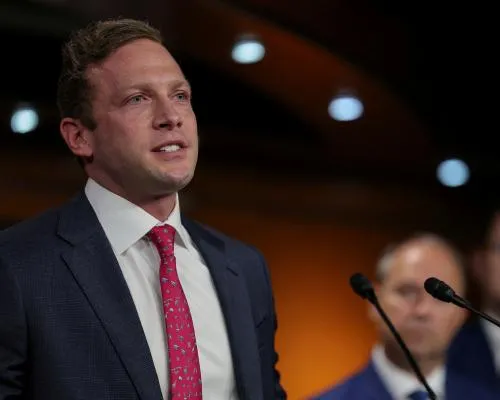 Ohio Senator Asks for Congressman’s Resignation Amid Abuse Allegations
Republican Senator Bernie Moreno calls for Congressman Max Miller's resignation amid abuse allegations, intensifying scrutiny of the Ohio’s seventh congressional district race.


