- AstraZeneca's CEO Sir Pascal Soriot's tenure has been successful, but his flirtation with a $400 billion mega-merger with Bristol Myers Squibb is questionable.
- The merger would likely involve significant debt and the risk of patent expirations for key drugs like Opdivo.
- Soriot’s strategy focuses on smart licensing and partnerships rather than large acquisitions.
Background to the Story
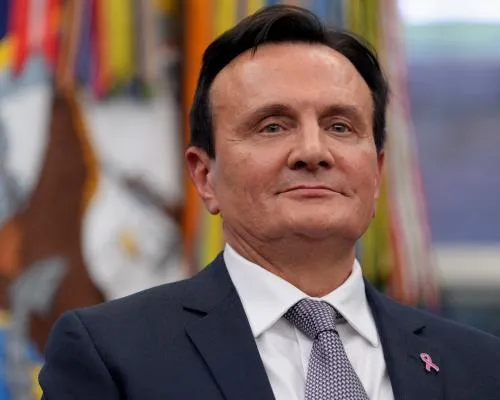
Sir Pascal Soriot, CEO of AstraZeneca, has overseen a series of successful business moves during his tenure. The company's acquisition of Alexion in 2021 for $39 billion, despite initial concerns about its price tag, was seen as a strategic move to bolster AstraZeneca’s position in rare diseases. However, the current flirtation with Bristol Myers Squibb (BMS) raises questions among analysts and investors.
Challenges of the Proposed Merger
The proposed merger would present significant challenges for AstraZeneca. One key issue is the need to cut costs, which could run into billions of dollars, justifying such a high price tag. Additionally, Soriot has typically been wary of mergers due to their potential negative impact on business operations.
Strategic Uncertainty
The merger would mean inheriting the patent cliff challenges associated with Bristol Myers Squibb's blockbuster drug Opdivo, leading to a steep decline in sales between now and 2030. This could make it difficult for AstraZeneca to justify such a large financial commitment. Moreover, Soriot’s strategy has been focused on smaller acquisitions, licensing deals, and partnerships, particularly in China, which have proven successful.
Regulatory Concerns
The proposed merger would also face scrutiny from US competition regulators, adding another layer of complexity to the deal. Approval could be a long and potentially distracting process. On the other hand, sticking to Soriot’s proven strategy has kept AstraZeneca on track to achieve its 2030 target of $80 billion in annual revenues.
Conclusion
The proposed merger with Bristol Myers Squibb appears out of character for AstraZeneca and could potentially undermine the legacy built by Sir Pascal Soriot. Given the significant risks involved, it is advisable that AstraZeneca abandon this idea unless there are compelling strategic reasons to pursue such a large-scale acquisition.
Source: The Guardian

Business Daily
329 posts
-
 Investimentos do Governo UK enfrentam críticas após expor dados sensíveis
O investimento público do UKGI sofreu um vazamento de dados, exposto informações confidenciais de mais de 50 funcionários governamentais.
-
 Pequenas Empresas Americanas Permanecem Calmas Diante de Novas Tarifas
Empresários norte-americanos estão mostrando resiliência em face das novas tarifas, que têm taxas menores do que as anúncios anteriores.
-
 Peritos Advertem sobre Potenciais Aumentos de Preços na Formula Infantil devido à Tendência Proteinmaxxing
 -
 Fundador da Ben & Jerry’s Lança Campanha para Restaurar Independência da Marca
Ben Cohen lidera esforços para libertar sua empresa de sorvete do controle da Unilever, em meio a preocupações sobre silenciamento da ativismo e valores corporativos.
-
 HSBC Sai do Mercado de Varejo Australiano: Venda para a Blackstone Anunciada
 -
 Empresas de Defesa do Reino Unido Veem Elevação de Lucros Diante do Aumento Global das Despesas Militares
 -
 Índices de inflação aliviam pressão sobre o Banco Reserva, mas elevação nas taxas deve acontecer mais tarde
Os índices recentes de inflação reduziram as expectativas de uma elevação imediata das taxas de juros pelo Banco Reserve da Austrália, embora um aumento ainda seja esperado para este ano.
-
 Federal Reserve Manterá Taxas de Juros Estáveis Diante das Tensões com a Irã
O Federal Reserve decidiu manter as taxas de juros estáveis em meio às preocupações com a inflação e à tensão geopolítica com a Irã.
-
 GSK Investe no Reino Unido das Ciências Vitais com Novo Centro de Pesquisa em Cambridge
 -
 Movação da GSK para Cambridge Sinaliza Mudança Estratégica e Confiança dos Acionistas
GSK investe £400m em um novo centro de pesquisa em Cambridge, expandindo sua linha de produtos farmacêuticos e implementando medidas de corte de custos.
-
 Moviimento da GSK em Cambridge Fortalece o Desenvolvimento Pesquisa e Inovação no Reino Unido
GSK investe £400m em Cambridge para pesquisa e desenvolvimento, visando aprimorar a indústria farmacêutica britânica.


