- H5 bird flu has been confirmed in Baudin Rocks off South Australia's coast.
- Victorian authorities report dead and sick greater crested terns at Glenelg River estuary.
- Experts warn of ongoing spread and increased mortality events likely.
Mass Mortality Events Confirmed
Aerial surveillance has revealed a second instance of mass bird deaths in Australia, with the H5 bird flu spreading beyond South Australia. According to CSIRO analysis, five greater crested terns and a silver gull at Baudin Rocks off the coast of South Australia tested positive for the virus. Hours later, Victorian authorities reported sightings of dead and sick greater crested terns in the Glenelg River estuary near Nelson and across Lawrence Rocks.
Government Response and Expert Views
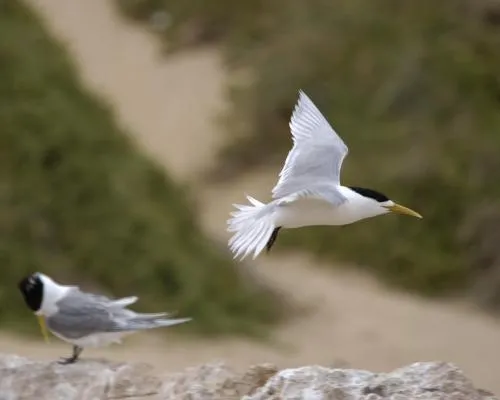
The environment minister, Murray Watt, warned that this is just the beginning of a long journey for Australia. He stated, “This is the beginning of what is likely to be a long, difficult journey in terms of the impacts on wildlife.” In South Australia, Emily Bourke expressed concern about an additional confirmed case of H5 bird flu in a petrel found in the Coorong, one of several new locations where the virus has been detected. The region is home to significant waterbird populations and internationally important wetlands.
Impact on Wildlife and Wetland Areas
The spread of the disease poses a threat not only to seabirds but also to waterbirds that nest in the area. Dr Graeme Cooke, Victoria’s chief veterinary officer, noted an increase in dead terns along the southern coast, indicating that the virus is spreading further. The Glenelg estuary and Discovery Bay, both internationally significant wetlands, are at risk due to their importance as safe havens for waterbirds.
Future Concerns
The health of Australia's native bird populations remains a critical concern. Murray Watt emphasized the need to enhance the resilience of these populations in response to such events. James Todd, Victoria’s chief biodiversity officer, highlighted that aerial and ground surveillance have shown an increase in dead terns, signaling further impacts of the virus.
Conclusion
The detection of H5 bird flu in both South Australia and Victoria underscores the ongoing challenge faced by wildlife across the country. As experts predict more mass mortality events, governments are focusing on building resilience in local wildlife populations to mitigate future impacts.
Source: The Guardian

Guardian News World
611 posts
-
 New Zealand Lawmaking on Official Language Status Sparks Debate
New Zealand has officially recognized English as an official language alongside Māori and sign language, despite widespread criticism from experts who see it as a redundant move.
-
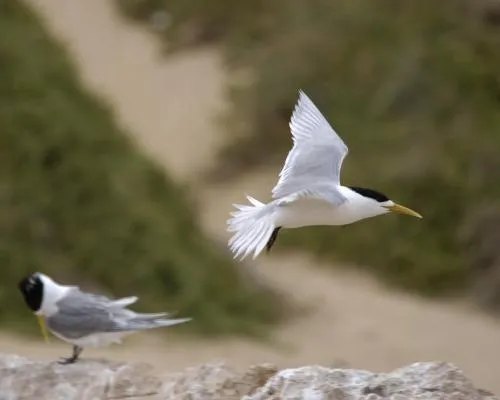 Second State Reports Suspected Mass Bird Flu Deaths Amid Ongoing Outbreak
Aerial surveillance in South Australia and Victoria confirms multiple mass mortality events linked to H5 bird flu, raising concerns for ongoing wildlife impact.
-
 Iran Rejects US Talks Claims Amid Ongoing Regional Tensions
Iran denies upcoming talks with the US amid rising tensions, while crude oil prices fall and military operations continue in Lebanon.
-
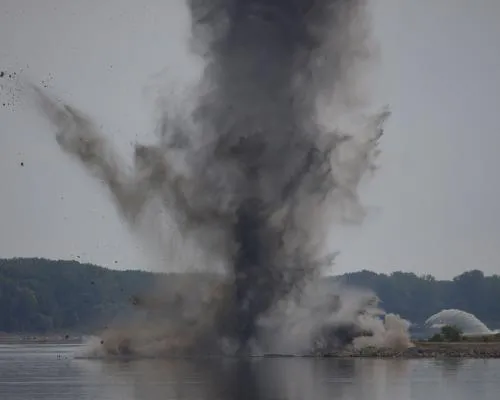 Europe Grapples with Severe Heatwave and Energy Crisis
Europe is facing a severe energy crunch due to extreme weather conditions, impacting nuclear power plants and hydropower generation across multiple countries.
-
 US Intervenes to Support Japanese Yen Amid Economic Concerns
The United States has intervened to support Japan's weakening yen, marking a rare cooperation that could impact global economic dynamics.
-
 UK Home Office Letters Question EU Citizens' Residency Rights
The UK Home Office is reviewing some EU citizens' Brexit-related residency rights, potentially affecting thousands of people who have built their lives in the country.
-
 Police Failed to Arrest Suspect Before Infant’s Tragic Death
Cleveland police failed to arrest a man who had breached a non-molestation order before he sexually assaulted and killed his girlfriend's two-year-old daughter. Simpson was convicted alongside Walker for their roles in the murder, leading to life sentences.
-
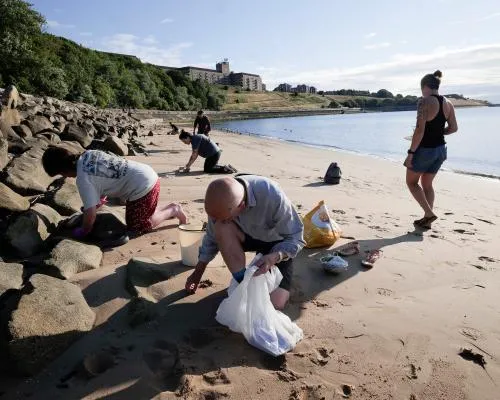 Volunteers Mobilize in North-East England to Clean Up Nurdle Spillage
A massive cleanup effort has mobilized thousands of volunteers across the north-east of England to address a spillage of plastic pellets known as nurdles, which were released into water following a ship collision.
-
 Republican Senator Calls for Congressman’s Resignation Amid Abuse Allegations
Republican Senator Bernie Moreno demands Congressman Max Miller resign amid abuse claims. Miller denies all accusations, stating no charges were filed.
-
 Ohio Senator Asks for Congressman’s Resignation Amid Abuse Allegations
Republican Senator Bernie Moreno calls for Congressman Max Miller's resignation amid abuse allegations, intensifying scrutiny of the Ohio’s seventh congressional district race.


