- Brent crude prices dropped by 5% following the cancellation of US strikes against Iran.
- European stock markets saw an initial positive reaction, while oil prices stabilized as negotiations resumed.
- UK motorists faced higher fuel costs despite a potential easing in inflation concerns.
Oil Prices Plunge Following Diplomatic Respite
Crude oil prices experienced a significant drop on Monday, with Brent crude trading 5% lower at $83.47 per barrel by midday. The decline came after US President Donald Trump announced the cancellation of planned strikes against Iran and expressed optimism about resuming peace talks.
The price of West Texas Intermediate also fell more than 5%, settling at $79.47 per barrel, as traders reacted to the news that Iran and other Middle Eastern countries had requested time for negotiations aimed at reopening key shipping passages like the Strait of Hormuz, according to Trump's statements on his Truth Social platform.
Stocks and Bonds Rally Amidst Calm
In response to the reduced threat of conflict in the Middle East, European stock markets enjoyed an encouraging start to August. The pan-European Stoxx 600 index rose 0.5%, with energy stocks seeing a 2% decline while travel and leisure shares gained 2.1%. Additionally, US stock futures indicated a higher open on Wall Street later that day.
Bond markets also showed signs of relief as the yield on the benchmark 10-year US Treasury bond dropped by five basis points to 4.68%, marking a retreat from its highest level since January.
UK Motorists Face Higher Fuel Costs
The reduction in oil prices brought some good news for UK motorists, as fuel costs began to stabilize after reaching their highest levels in months. Petrol hit an Iran-war high of 160.85 pence per litre on Monday, surpassing its previous peak on Friday. Diesel also rose above 180 pence per litre for the first time since June.
The head of policy at the RAC, Simon Williams, stated that petrol prices had risen more than 7% in just a week and could remain high despite expected stabilization this week. He noted that diesel prices were already higher by 15.8 pence per litre after reversing most of their June reduction.
Global Markets Watch the Outcome
Despite initial optimism, market analysts cautioned against complacency as Iran's position remained uncertain. Tony Sycamore from IG noted that any failure to reach a deal could lead to renewed tensions and potential attacks on oil tankers in key straits.
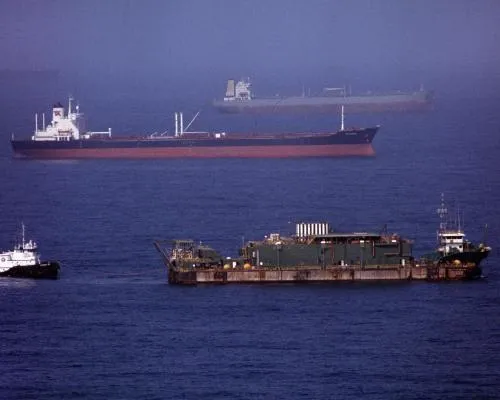
The situation was further complicated by ongoing tanker attacks reported over the weekend, with three more incidents occurring since Saturday according to shipping data. The Organization of the Petroleum Exporting Countries (OPEC) also agreed to increase oil production by about 188,000 barrels a day from September, although this adjustment had limited impact due to disruptions caused by conflicts in Iran and Ukraine.
The Japanese yen hit a three-month high after Tokyo and Washington launched a joint operation aimed at supporting the currency. This move was part of broader efforts to manage geopolitical risks and their economic implications.
In conclusion, while the initial reaction to Trump's diplomatic overture brought relief to oil prices and boosted stock markets in Europe, ongoing concerns about regional stability and continued tensions could keep investors on edge as talks progress and unfold.
Source: The Guardian

Business Daily
329 posts
-
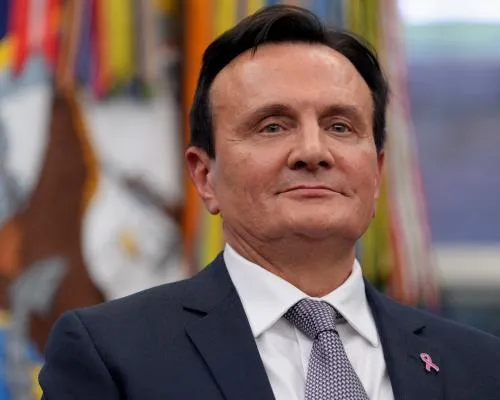 AstraZeneca Faces Scrutiny Over Mega-Merger Rumors
AstraZeneca's CEO Sir Pascal Soriot’s tenure has been successful, but his flirtation with a $400 billion mega-merger with Bristol Myers Squibb is questionable.
-
 Second Vacation Home Mortgage Windsor: Financing Your Home Away from Home
Owning a vacation property is a dream shared by many families. It offers a peaceful escape from daily life while creating opportunities for unforgettable vacations and long-term investment.
-
 UK Government Investments Faces Criticism After Sensitive Data Exposed
UK Government Investments experiences a data breach exposing sensitive information, leading to internal reviews and enhanced security measures.
-
 US Small Businesses Adjust to Less Impactful Tariffs
US small businesses are adapting to lower-impact tariffs announced by the Trump administration, finding them less disruptive compared to previous rounds.
-
 US Small Businesses See New Tariffs as Less of a Threat Than Before
Despite renewed tariff announcements from the Trump administration, US small businesses are adapting and viewing them as less impactful compared to previous rounds.
-
 US Small Businesses Remain Calm Amid New Tariff Rounds
US small businesses are showing resilience against new tariff rounds that have lower rates compared to previous announcements.
-
 Experts Warn of Potential Price Hikes for Infant Formula Due to Proteinmaxxing Trend
The rising demand for whey protein due to 'proteinmaxxing' trends and weight-loss medications is likely to increase costs for infant formula, potentially impacting affordability. Experts urge government intervention.
-
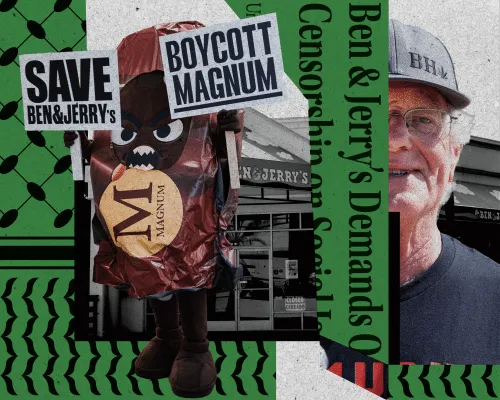 Ben & Jerry’s Founder Launches Campaign to Reclaim Brand Independence
Ben Cohen is leading an effort to free his ice-cream company from Unilever’s control amid concerns over activism silencing and brand values.
-
 HSBC Withdraws from Australian Retail Banking: Sale to Blackstone Announced
HSBC is exiting Australian retail banking by closing all 19 branches over 18 months after selling its mortgage portfolio to Blackstone.
-
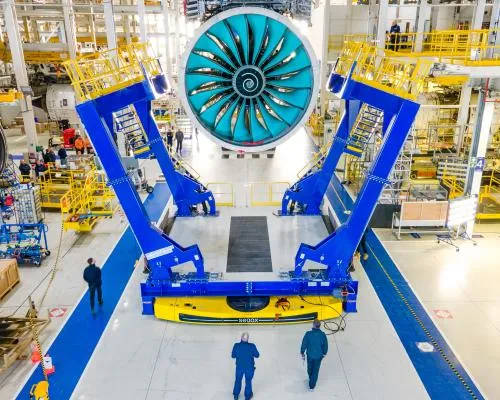 UK Defence Firms See Surge in Profits Amid Rising Global Military Spending
UK defence companies Rolls-Royce and BAE Systems have reported significant profit increases as global military spending rises. Both firms cited commitments from governments to boost their investments in defence systems.


