- Tech giants like Nvidia, Microsoft, and Elon Musk advocate for open-source AI models.
- The debate is fueled by the release of new Chinese AI models like Kimi K3.
- Both sides have economic incentives, with venture capital firms and chip companies on one side while AI leaders Anthropic and OpenAI are wary.
- Regulatory tensions rise as the US government considers how to respond.
Technological Divide in Silicon Valley
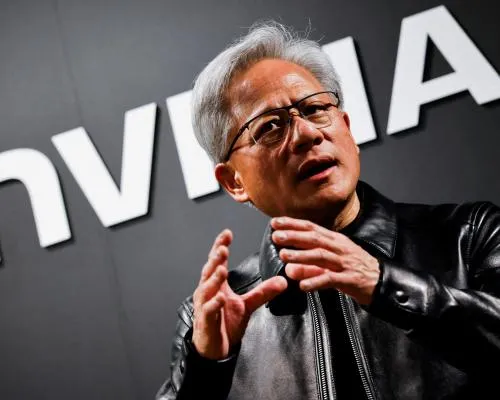
The tech industry is currently grappling with a contentious debate over the future of artificial intelligence, particularly regarding open-source models. Key figures such as Nvidia’s CEO Jensen Huang and Microsoft’s Satya Nadella have publicly supported the use of open-source AI, emphasizing its benefits for innovation and cybersecurity. Huang stated in his first post on X that 'Open models strengthen safety and cybersecurity, accelerate innovation and diffusion, and enable sovereignty.' His post also linked to an open letter started by Microsoft that was signed by a wide range of prominent venture capital firms and tech companies including SpaceX, Nvidia, Palantir, and Andreessen Horowitz. Notably absent from the letter was Anthropic, which has taken the other side in the debate.
The company has long argued that open-source AI is dangerous because it is harder to regulate and put safety guardrails on than proprietary models like their Claude chatbot. OpenAI, which did sign Microsoft's letter, has also made similar arguments in the past. Last week, Dean Ball, the head of strategic futures at OpenAI, warned on X that embracing an open-source policy would benefit China and could lead to 'full AI communism.' Both sides in this fight have clear economic incentives for where they land on open-source AI.
Venture capital firms have been concerned about the rising AI costs to businesses, while chip companies like Nvidia benefit from more widespread demand for their products. Anthropic and OpenAI, meanwhile, have developed a sizable lead over other frontier AI firms in the US, and cheaper, more easily accessible open-source models present an obvious challenge to their dominance.
The debate over the benefits and drawbacks of open-source AI has been a longstanding issue in the tech industry, but what's bringing it to a head this month is the release of a new Chinese AI open source model that can compete with some of the best American-made counterparts. The model, called Kimi K3, has rattled Silicon Valley and the White House as executives and officials argue how to respond.
The Rise of Chinese AI Models
Just as the tech industry is split on open models, the Trump administration is similarly divided. Treasury Secretary Scott Bessent last week accused the Chinese models of stealing US intellectual property to create their products, claiming the White House could sanction foreign AI labs. However, now the administration appears to be unable to agree on whether to impose restrictions on Chinese products like Kimi K3 or whether to keep the status quo since some American companies have become reliant on these cheaper models.
Economic Incentives Drive the Debate
The economic stakes in this debate are high. Venture capital firms and chip manufacturers like Nvidia benefit from broader adoption of open-source AI. Conversely, companies like Anthropic and OpenAI stand to lose market share if cheaper, more accessible open-source models become prevalent. The ongoing tension highlights the complex interplay between technological advancement and business interests.
Regulatory Scrutiny and Financial Impacts
Meanwhile, Google faces significant scrutiny from regulators in Europe. In a move that exemplifies how such regulatory actions can be absorbed by large tech companies, the European Union fined Google €890 million for competition breaches related to its search algorithms and app store policies. Despite the fine, Google’s earnings report revealed record-breaking profits of $120 billion over three months, underscoring the relative ease with which such regulatory actions can be absorbed by large tech companies.
Social Media Companies Face Legal Scrutiny
Outside the realm of AI, another major debate is ongoing in the social media industry. A series of lawsuits have been brought against major platforms like Meta (Facebook and Instagram), YouTube, TikTok, and Snap for their role in allegedly getting young people addicted to social media products. The most notable case was that of RKC, a 15-year-old boy from Florida who started using social media when he was about eight years old and quickly became addicted. He lost sleep and suffered from depression and anxiety, according to court filings.
The lawsuit, which was brought against YouTube, TikTok, Snap, and Meta, is just one of thousands of similar cases filed across the country. The first federal trial in this case, brought by attorneys general from 29 states, is scheduled for August 18 in Oakland, California. Additionally, separate lawsuits have been filed by 42 individual states against Meta alone, underscoring the ongoing legal challenges faced by these tech giants.
Conclusion
The debates over open-source AI and social media addiction highlight the multifaceted challenges facing the tech industry today. As companies grapple with economic incentives, regulatory scrutiny, and public concerns, it remains to be seen how they will navigate these complex issues in the years to come. The ongoing tensions underscore the need for a balanced approach that considers both technological advancement and societal impacts.
Source: The Guardian

Technology News Feed
177 posts
-
 EU Rules Mandate Labeling of Artificially Generated Content
EU rules mandate labeling of artificial content to protect democracy and public trust, imposing strict compliance starting August 2nd.
-
 Atlassian Introduces AI Wallets Amid Tech Sector Cost Controversy
Atlassian has introduced monthly spending limits for its staff’s use of artificial intelligence tools, while other tech firms encourage unlimited usage. A survey shows concerns over high AI costs leading to reduced deployments.
-
 A Tech-Free Renaissance: How Digital Detox Initiatives Are Reshaping Everyday Life
Tech-free events are becoming increasingly popular as individuals seek to break away from constant screen time.
-
 Australian Booksellers Express Concerns Over Rare Titles Destruction for AI Training
Australian secondhand book sellers express worry over rare titles being destroyed for AI training by companies like Zoom Books, leading to unusual orders and ethical concerns.
-
 Global AI Market Shaken as China Challenges Western Dominance
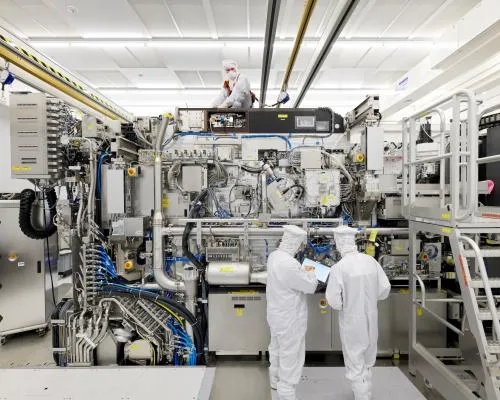
A sudden surge in Chinese chip production and technological advancements have caused ripples in the global AI market, raising questions about the future dominance of key players like Nvidia.
-
 China's Technological Advances Stir Market Concerns and Policy Debate
China’s rapid advancements in AI, chip manufacturing, and robotics are causing significant disruptions in the US tech industry and prompting internal divisions over how to respond.
-
 UK Authorities Seize Evidence in Crackdown on Spam Text Messages
The UK's Information Commissioner's Office (ICO) has seized evidence from five companies in multiple cities as part of a crackdown on spam text messages related to car finance mis-selling scandals. Over 12 million complaints have been filed since September 2025.
-
 Tech Giants Apple and Amazon Post Solid Q2 Earnings, Amid AI Spending Concerns
Apple and Amazon reported strong second quarter earnings, with both companies exceeding Wall Street expectations. The tech industry faces growing concerns over AI spending, affecting investor sentiment and market performance.
-
 Cyber-Attack Steals Sensitive Data from UK Government and Police Databases
Over 740,000 pieces of sensitive information were stolen from government and police databases in a cyber-attack by an unknown hacking group called ExfilSquad.
-
 Meta's Earnings Disappointment Amid AI Optimism Campaign
Meta's AI optimism campaign by CEO Mark Zuckerberg failed to mitigate the negative reaction from investors following weaker-than-expected earnings and a significant stock drop.
-
 German Study Links Excessive Online Activity to Stress and Negative Mood
A German study links excessive online activity to increased stress and negative mood, emphasizing the role of temptation in internet usage.


