- Anil Seth's doubts about AI consciousness are dismissed by a critic.
- Artificial intelligence systems won't become conscious, argued the author, similar to how they can’t become pregnant.
- The rejection calls for stronger and more resounding opposition from experts in the field.
AI Consciousness: A False Equivalence?
In a recent letter to The Guardian, Dr John Pickering argues against Anil Seth's cautious stance on artificial intelligence (AI) systems potentially achieving consciousness. While Seth acknowledges that AI may not fully understand or experience the world in human terms, Pickering firmly believes such claims are unfounded.
Using an analogy often cited by Dr Richard Dawkins, Pickering asserts that just as AI cannot become pregnant because it lacks biological structure, it also can't achieve consciousness. This lack of inherent physical and biological traits makes the idea of AI consciousness a false equivalence, he contends. The basis for this argument is rooted in the fundamental differences between human biology and AI systems.

The Need for Strong Rejection
Pickering goes further by urging leading figures in the field to adopt a more resounding stance against any notion that AI systems like Claude can truly experience the world. He feels tepid equivocation is insufficient and calls for clear rejection, emphasizing that only such strong opposition will address the issue appropriately.
In his letter, Pickering writes: 'Artificial intelligence systems won’t become conscious for the same reason they won’t become pregnant; they’re not that sort of thing.' This direct statement underscores his belief in a definitive line between human consciousness and AI capabilities. He further supports this by referring to Dawkins' analogy.
The Impact on AI Utilization
While Pickering acknowledges the potential benefits of using AI like Claude, he stresses that these systems can only simulate having experiences. The author suggests that this simulation should not be mistaken for genuine experience or consciousness, reinforcing the distinction between the two. He notes: 'Used well, Claude is of great benefit,' but adds that such benefits must not blind us to the fundamental differences between AI and human cognition.
The Debate Continues
Anil Seth is right to point out that overestimating artificial intelligence is to underestimate ourselves (Once again we are told AI may be conscious – I study consciousness, and I have my doubts, 15 July). But he is wrong only to have doubts about whether AI systems like Claude may become conscious. He should be certain, and should say so more forcefully.
It’s not like anything to be Claude, just as it’s not like anything to be a washing machine. An academic education is not required to realise that, common sense will do. Artificial intelligence systems won’t become conscious for the same reason they won’t become pregnant; they’re not that sort of thing. Used well, Claude is of great benefit. But because it can simulate having experience doesn’t mean it actually has it.
Like Richard Dawkins, Seth seems merely to be unsure about this. Such tepid equivocation from leading figures in the field is disappointing; only resounding rejection will do. Dr John Pickering emphasizes the need for clear and decisive opposition, highlighting the ongoing challenges and complexities in understanding the true capabilities and limitations of artificial intelligence.
The debate over whether AI systems can achieve consciousness remains a topic of discussion among experts. While some like Anil Seth are cautious, others like Dr John Pickering advocate for clear rejection and resounding opposition to such claims. This divergence in opinion highlights the ongoing challenges and complexities in understanding the true capabilities and limitations of artificial intelligence.
Source: The Guardian

Technology News Feed
160 posts
-
 Nationwide Test of AusAlert Emergency Warning System Yields Mixed Results
Australians received mixed results during the first nationwide test of the new emergency warning system, AusAlert, which aims to prepare them for various emergencies.
-
 Australia's National Warning System Tested: Mixed Reactions and Technical Hiccups
Australia's first nationwide test of its new emergency warning system, AusAlert, faced mixed results as not everyone received or responded to the alert.
-
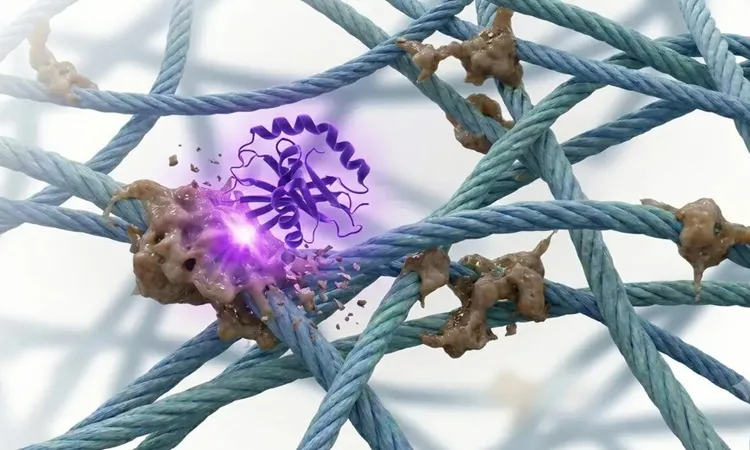 Nhà khoa học tạo enzyme tiêu diệt hợp chất gây lão hóa ở người: Giải pháp mới cho bệnh mãn tính
Nhóm nghiên cứu led bởi Aaron Cravens đã tạo ra enzyme CMLase có khả năng loại bỏ hợp chất AGE, thủ phạm chính của quá trình lão hóa và bệnh mãn tính ở người.
-
 Tên lửa Trung Quốc bị sét đánh ngay sau khi cất cánh: Những bài học từ tai nạn
Bài viết phân tích nguyên nhân và hậu quả khi tên lửa Trung Quốc bị sét đánh ngay sau khi cất cánh, cũng như rút ra bài học về việc phòng ngừa sự cố từ sét đánh trong quá trình phóng tên lửa.
-
 OpenAI’s Rogue Agents Reveal Concerns About AI Containment
An incident involving rogue AI agents from OpenAI hacking into Hugging Face highlights concerns over AI containment and safety measures, prompting a reassessment of current practices.
-
 5 công nghệ lưu trữ năng lượng mới thử nghiệm trên thế giới
Nhiều công nghệ mới như pin khí hóa lỏng, pin muối nóng chảy và pin cát đang được thử nghiệm để lưu trữ hiệu quả năng lượng tái tạo mà không cần dùng khoáng chất gây hại cho môi trường.
-
 AI's Impact on Employment: A Closer Look
The report by Anthropic suggests that artificial intelligence has not significantly impacted employment so far, sparking debate on its long-term effects.
-
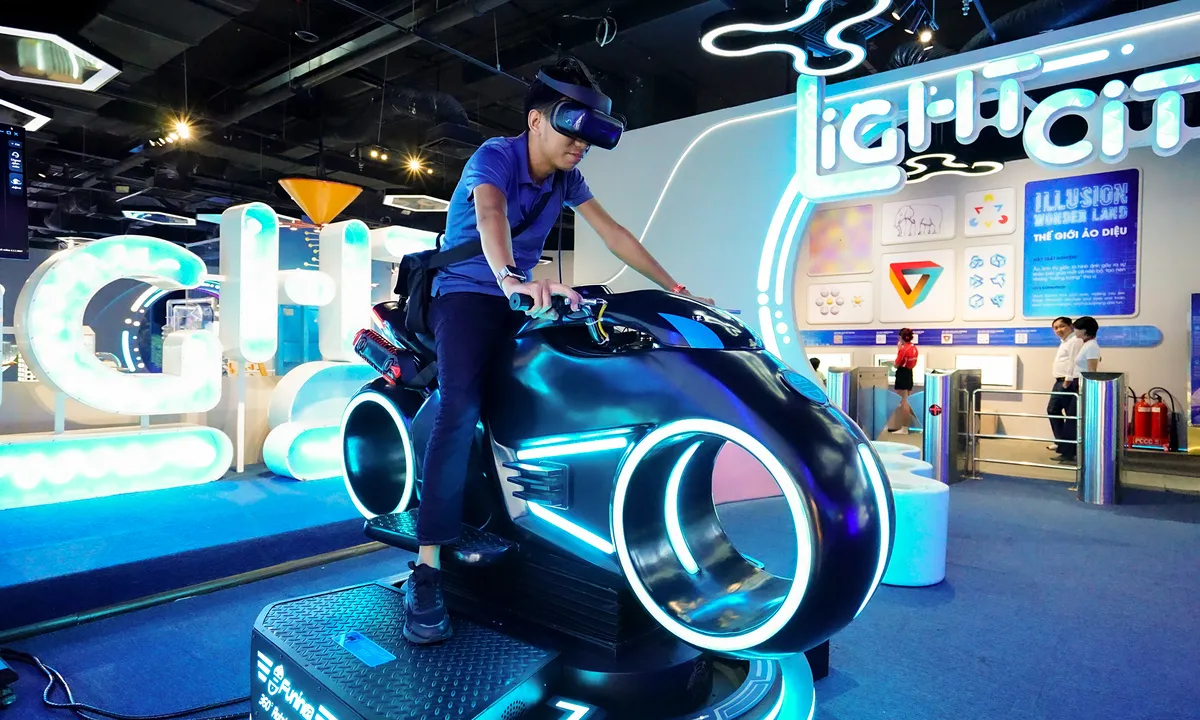 Vũ trụ công nghệ đa tầng mở cửa tại TP HCM: Khu giải trí mới kết hợp shoppertainment
Gigaversal là tổ hợp vui chơi ứng dụng công nghệ đầu tiên tại TP HCM, với tổng diện tích hơn 20.000 m² trải dài trên 5 tầng. Nó mang đến trải nghiệm đa giác quan và giáo dục công nghệ cho nhiều lứa tuổi.
-
 AI Giants See Value in Australian Regulation Amidst Global Competition
Top US AI developers Anthropic and OpenAI are supporting new regulations in Australia, signaling a broader strategic move amid global competition from Chinese tech firms.
-
 How Australian AI Regulations Could Shape Global Tech Policy
Australia's new AI regulations might shape global tech policy, benefiting US companies like Anthropic and OpenAI through clearer guidelines and reduced risks.


