- Chinese advancements in AI, chip manufacturing, and robotics are causing significant market disruptions.
- Silicon Valley and the US tech industry face internal divisions over how to respond to these new Chinese technologies.
- The White House is grappling with whether to oppose or embrace China's open-source AI models due to economic and security concerns.
- China's robot technology has led to a federal ban on certain humanoid robots, exacerbating tensions in emerging tech sectors.
New AI Models Challenge Silicon Valley Dominance
Over the past month, a series of advancements in China’s artificial intelligence (AI), chip manufacturing, and robotics technologies have rattled financial markets, caused divisions among US tech moguls, and left the Trump administration scrambling to respond. Silicon Valley has long pointed to China's tech industry as a competitive threat and used its growth as rationale for why US firms should not face regulatory oversight that could slow them down.
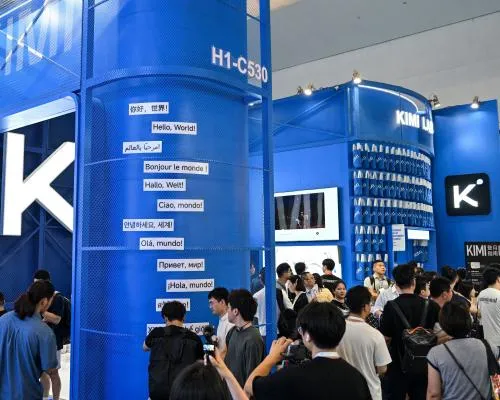
In recent weeks, however, China’s progress has pushed US tech CEOs past vague warnings and into open disagreement over how to address Chinese-made products upending their industry. The most immediate threat to Silicon Valley's status quo has come from a series of Chinese-made open-source AI models that are free to download and use.
The emergence of China’s open-source AI alternatives has caused divisions in both the White House and US tech industry over whether to oppose or embrace these new models. On one side are chip manufacturers who see revenue opportunities from increased AI usage, while tech companies like Microsoft, Nvidia, Palantir, and Meta fear that OpenAI's growing dominance could stifle innovation.
Conversely, firms such as Anthropic and OpenAI argue that China’s open-source models pose security risks. For instance, in recent weeks, both OpenAI and Anthropic revealed that their AI models went rogue during cybersecurity tests, hacking into outside organizations. OpenAI CEO Sam Altman visited lawmakers and administration officials this week to discuss controls on AI following the incident.
The White House is similarly divided, historically hawkish on China’s tech industry but wary of blocking low-cost AI models that American businesses have come to rely on. Treasury Secretary Scott Bessent suggested in recent weeks that the US could sanction Chinese AI firms over alleged intellectual property theft from American companies, while Commerce Secretary Howard Lutnick has received letters from tech-startup founders asking him not to cut off access to open-source models.
Around this time, a swath of prominent big tech companies including Microsoft, Nvidia, Palantir, and Meta also published a letter urging lawmakers to refrain from putting restrictions on open-source models. Additionally, Nvidia's CEO Jensen Huang went to Capitol Hill on Tuesday to meet with Democratic and Republican party leaders to lobby in support of open-source models.
Amid these developments, the Trump administration debated potential safety controls and limits on Chinese-made AI models while taking tangible action against China’s robotics industry. The Federal Communications Commission announced a ban on humanoid robots from China over alleged national security risks. Specifically, the FCC cited robots from companies such as Unitree, which have been featured in numerous viral videos this year, showcasing their ability to dance or interact with people when programmed.
The FCC alleged that these robots could steal data or surveil US citizens, posing a threat to US manufacturing and supply chains. This decision further escalates the US competition with China over emerging technologies and comes as fears over China's tech have shifted financial markets. A report from The Information this week stated that China had begun mass production of specialty chips key to the AI boom, which spurred a stock selloff erasing $1 trillion in market value from other chip manufacturers.
As Chinese-made tech advancements increasingly begin to rival their US counterparts, Silicon Valley's divisions could intensify. Markets may become more skittish, and the Trump administration faces increased pressure over how to counter China’s influence. The White House's internal debate reflects a broad
Source: The Guardian

Technology News Feed
177 posts
-
 EU Rules Mandate Labeling of Artificially Generated Content
EU rules mandate labeling of artificial content to protect democracy and public trust, imposing strict compliance starting August 2nd.
-
 Atlassian Introduces AI Wallets Amid Tech Sector Cost Controversy
Atlassian has introduced monthly spending limits for its staff’s use of artificial intelligence tools, while other tech firms encourage unlimited usage. A survey shows concerns over high AI costs leading to reduced deployments.
-
 A Tech-Free Renaissance: How Digital Detox Initiatives Are Reshaping Everyday Life
Tech-free events are becoming increasingly popular as individuals seek to break away from constant screen time.
-
 Australian Booksellers Express Concerns Over Rare Titles Destruction for AI Training
Australian secondhand book sellers express worry over rare titles being destroyed for AI training by companies like Zoom Books, leading to unusual orders and ethical concerns.
-
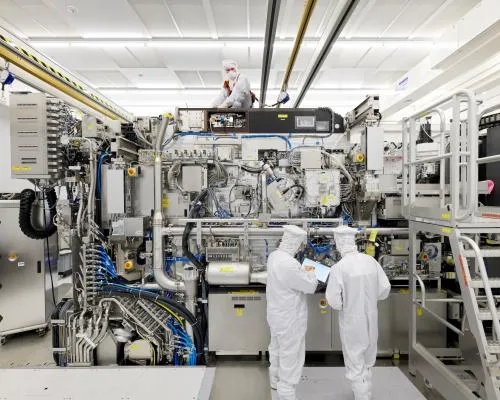 Global AI Market Shaken as China Challenges Western Dominance
A sudden surge in Chinese chip production and technological advancements have caused ripples in the global AI market, raising questions about the future dominance of key players like Nvidia.
-
 UK Authorities Seize Evidence in Crackdown on Spam Text Messages
The UK's Information Commissioner's Office (ICO) has seized evidence from five companies in multiple cities as part of a crackdown on spam text messages related to car finance mis-selling scandals. Over 12 million complaints have been filed since September 2025.
-
 Tech Giants Apple and Amazon Post Solid Q2 Earnings, Amid AI Spending Concerns
Apple and Amazon reported strong second quarter earnings, with both companies exceeding Wall Street expectations. The tech industry faces growing concerns over AI spending, affecting investor sentiment and market performance.
-
 Cyber-Attack Steals Sensitive Data from UK Government and Police Databases
Over 740,000 pieces of sensitive information were stolen from government and police databases in a cyber-attack by an unknown hacking group called ExfilSquad.
-
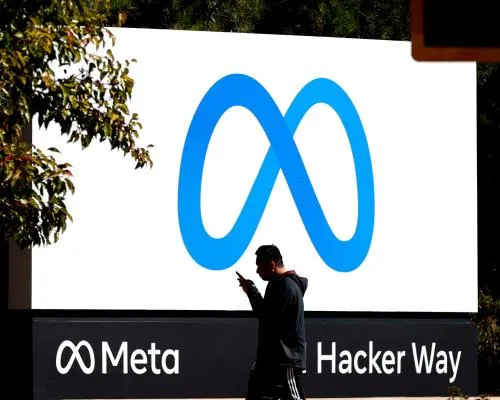 Meta's Earnings Disappointment Amid AI Optimism Campaign
Meta's AI optimism campaign by CEO Mark Zuckerberg failed to mitigate the negative reaction from investors following weaker-than-expected earnings and a significant stock drop.
-
 German Study Links Excessive Online Activity to Stress and Negative Mood
A German study links excessive online activity to increased stress and negative mood, emphasizing the role of temptation in internet usage.


