- Anthropic and OpenAI, US-based AI developers, are supporting new AI regulations in Australia.
- Chinese startup Moonshot's launch of Kimi K3 model poses a competitive threat to Anthropic’s Claude and ChatGPT.
- Regulations could provide clarity for investors interested in investing in the Australian market.
- Australian government aims to set global standards for AI, potentially benefiting US tech firms.
Background of the AI Market
The top US artificial intelligence developers, Anthropic and OpenAI, cheered when Australia announced it would set new AI rules. Big tech celebrating limits on their Silicon Valley VC-funded free-for-all might seem counterintuitive but there’s a much broader play than just what happens in one relatively small market. Moonshot AI launched its Kimi K3 model, which is being touted as more flexible and open-source compared to Anthropic’s Claude and OpenAI’s ChatGPT. Analysts suggest that Moonshot's offering could pose significant competition in the market.
Market Value Implications
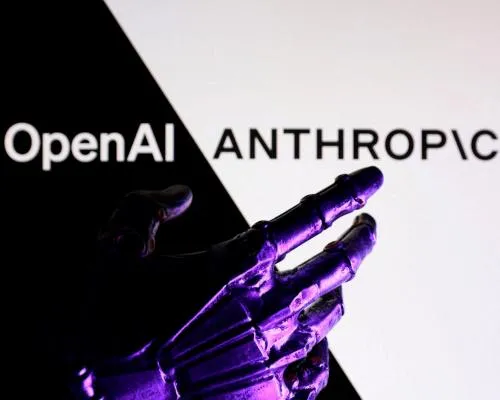
Following the launch of Kimi K3, both Anthropic and OpenAI saw a drop in their implied values on trading platforms. According to IG’s data, Anthropic lost billions from its predicted valuation, while OpenAI also saw a decline. However, the source text does not specify exact figures for these losses.
Regulation and Investor Attraction
Australian regulations could provide greater clarity for tech firms looking to invest in the country. Analysts like Malik Ahmed Khan from Morningstar Equity suggest that demonstrating a commitment to building AI and managing risks could make it easier for these companies to attract investors.
Global Standards and National Security Concerns
Australian regulations, coupled with efforts by US firms to influence the global regulatory landscape, may provide an attractive climate for tech investments. Anthony Albanese, Australia's Minister of Industry, Science, Energy, and Resources, aims to set a global standard for AI regulation. He has cited past successes in areas such as social media bans for under-16s.
Competitive Neutrality
The new regulations may help ensure competitive neutrality, allowing companies like Anthropic to avoid potential pitfalls of local political favoritism or arbitrary decisions. Dario Amodei, CEO of Anthropic and a former vice-president at OpenAI, supports domestic regulation but also calls for international cooperation.
Conclusion
The Australian regulations could serve as a model for other nations, potentially benefiting US tech firms like Anthropic and OpenAI. While these companies have vested interests in shaping the regulatory environment to their advantage, there are legitimate concerns about national security that they share with governments.
Source: The Guardian

Technology News Feed
155 posts
-
 Vũ trụ công nghệ đa tầng mở cửa tại TP HCM: Khu giải trí mới kết hợp shoppertainment
Gigaversal là tổ hợp vui chơi ứng dụng công nghệ đầu tiên tại TP HCM, với tổng diện tích hơn 20.000 m² trải dài trên 5 tầng. Nó mang đến trải nghiệm đa giác quan và giáo dục công nghệ cho nhiều lứa tuổi.
-
 AI Giants See Value in Australian Regulation Amidst Global Competition
Top US AI developers Anthropic and OpenAI are supporting new regulations in Australia, signaling a broader strategic move amid global competition from Chinese tech firms.
-
 How Australian AI Regulations Could Shape Global Tech Policy
Australia's new AI regulations might shape global tech policy, benefiting US companies like Anthropic and OpenAI through clearer guidelines and reduced risks.
-
 Tech Workers Unionization Gains Momentum Amid AI Concerns
Tech workers are organizing unions amid fears over job security and AI deployment, reflecting a broader shift in the industry.
-
 Social Media Company Wins Key Case as Teen Drops Lawsuit Just Before Trial
A Florida teenager withdraws his lawsuit against Meta just before trial, marking a victory for the social media giant in an ongoing legal battle.
-
 Tesla Shares Plunge Amid Profit Woes and AI Spending Concerns
Tesla faced a significant market downturn, suffering a 13% drop in stock value due to weaker-than-expected profits and high spending on AI and robotics projects.
-
 Alphabet Reports 12th Straight Quarter of Strong Revenue Growth
Alphabet reported impressive second-quarter earnings, with double-digit revenue growth for its 12th consecutive quarter. Despite delays in key AI models like Gemini Pro, the tech giant is releasing cheaper alternatives and facing competition from rivals.
-
 Alphabet Reports Strong Revenue Growth Amid AI Expansion
Alphabet reports strong financial performance for the second consecutive quarter despite delays in its powerful AI model Gemini Pro.
-
 EU Slaps €890m Fine on Google Over Search and App Store Practices
The European Commission fines Google €890m for violating competition laws in search and app stores, part of a broader effort by EU regulators.
-
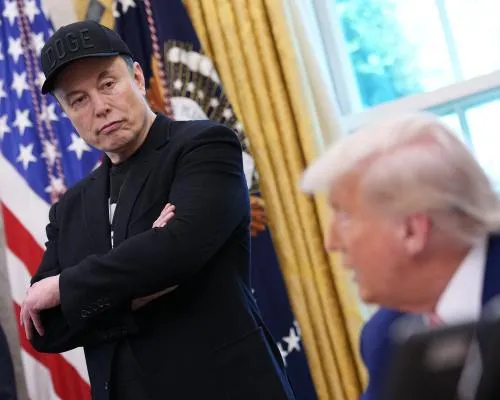 Elon Musk Reflects on Political Diversions and AI Predictions
Elon Musk admits becoming too involved in politics during his association with Donald Trump's administration and shares controversial views on AI and societal changes.


