- Honeybees given a probiotic and prebiotic mix survived cold exposure better than those on sugar alone.
- Exposure to extreme heat, regardless of diet, still led to bee deaths within days.
- Experts caution that supplements should not replace broader conservation efforts.
Study Finds Potential Benefits for Cold-Weather Survival
In a study suggesting new ways to protect honeybees from the impacts of climate change, scientists found that worker bees given a mixture of probiotics and prebiotic inulin alongside their usual sugar diet fared better when exposed to prolonged cold. The findings hint at a possible additional defense against colder temperatures for managed bee populations.
Heat Still Poses Severe Threats
The research, while promising, did not yield positive results under conditions of extreme heat. Bees in laboratory tests at 40°C died within days, regardless of their diet or supplement intake. This underscores the severe challenges posed by rising temperatures, a direct consequence of climate change.
Broader Implications for Bee Health
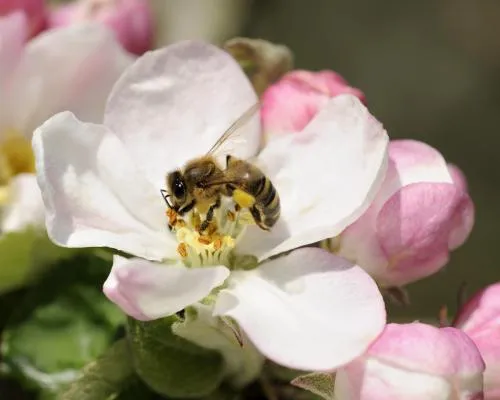
The study’s implications extend beyond just bee survival to broader ecosystem stability and food systems. Dr Najmeh Sahebzadeh, an associate professor at the University of Zabol in Iran and lead scientist on the research, highlighted that nutritional issues, pathogens, and extreme weather are increasingly compounding challenges for bees.
Limitations and Future Directions
While the study found benefits for colder temperatures, it also pointed out limitations. Peter Graystock from Imperial College London noted that caged studies do not fully replicate real-world colony behavior. He explained that bees can employ cooling strategies like fanning their wings together to regulate nest temperature, which may be less effective in isolated environments.
Graystock and others acknowledged the potential benefits of supplements for colder weather but emphasized the need for further research. “Winter remains one of the riskiest periods for honeybee colonies because they cannot leave the hive to forage,” he stated. “This study suggests nutritional and microbial supplements might help bees through some cold challenging periods, although further research is needed to see whether these benefits occur at the colony level in the real world.”
Expert Caution Against Over-reliance on Supplements
The researchers and independent experts also warned against treating nutritional supplements as a substitute for broader conservation efforts. Sahebzadeh highlighted that supplementation addresses immediate physiological stress but does not address underlying causes such as shrinking forage, fragmented habitats, or pesticide exposure.
“Supplementation deals with the immediate physiological stress, not the underlying causes like shrinking forage and fragmented habitat,” she said. “It really needs to sit alongside broader conservation-minded beekeeping, not replace it.”
Experts also pointed out that improving floral diversity and countryside management could make bees less dependent on artificial feeding in the long term.
Conclusion: A Call for Holistic Solutions
The study suggests that while nutritional supplements may provide a short-term benefit, they cannot replace the need for broader conservation efforts. As climate change continues to threaten bee populations, a holistic approach including improving habitat and reducing environmental stressors will be crucial in ensuring the long-term survival of these vital pollinators.
Source: The Guardian

Green News
270 posts
-
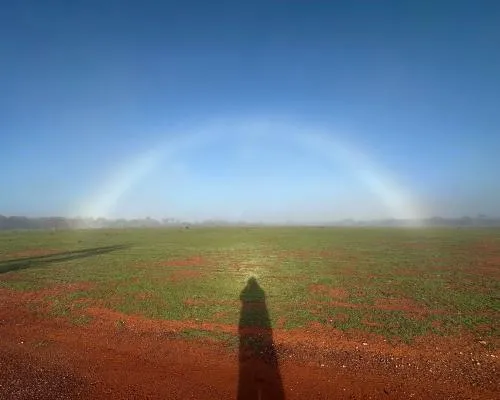 Rare Fogbows: A Meteorological Rarity in Australia
Fogbows are rare optical illusions seen in Australia during specific weather conditions. Learn about their formation and the factors required for them to appear.
-
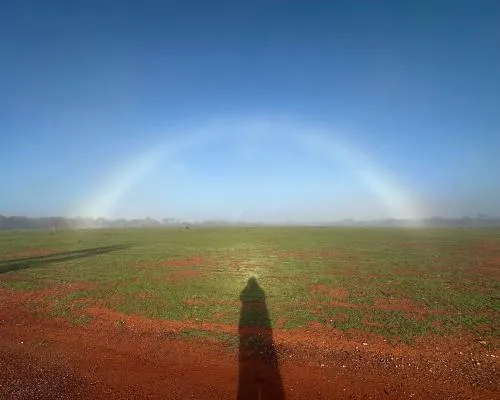 Mysterious Fogbows Emerge in Australia: A Rare Optical Illusion
Fogbows, rare atmospheric phenomena similar to rainbows but appearing in foggy conditions, have been observed in Australia. These fleeting illusions require precise alignment of sun and dense yet not too thick fog for visibility.
-
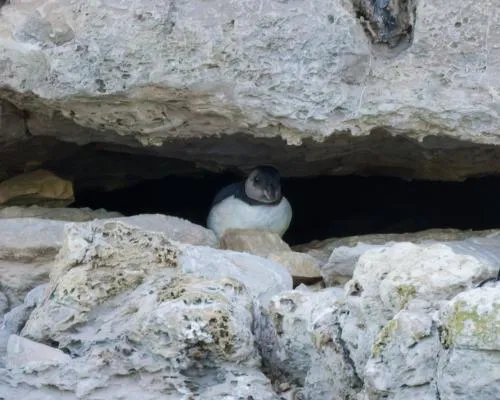 Rare Puffling Sighted After Three Decades on Dorset Coast
A rare puffling has been spotted on Dorset's coast after three decades, renewing hopes for the local puffin population.
-
 Water Leaks Outstrip Hosepipe Ban Savings in England and Wales
A new study reveals that water companies in England and Wales are losing five times more water through leaks than they could save with a hosepipe ban. Environmental campaigners warn of increasing droughts due to climate change.
-
 U.S. Voters Link Extreme Weather to Climate Crisis, Despite Trump’s Denials
A new survey reveals that the majority of American voters link extreme weather events, including heatwaves and floods, to the climate crisis. Despite Republican skepticism, the findings indicate growing public concern that surpasses political polarization on this issue.
-
 Carbon Capture as a Shield for Fossil Fuel Expansion Contested
An analysis of the arguments against using carbon capture as a shield for fossil fuel expansion, highlighting methane emissions and the superiority of renewable energy sources.
-
 UK Poultry Expansion Plan Met with Environmental and Food Security Concerns
Campaigners argue that the UK's proposed poultry growth plan could undermine national security due to its resource-intensive nature and reliance on imported feed.
-
 Critics Argue Carbon Capture Is a Deceptive Tool for Fossil Fuel Expansion
A letter in The Guardian discusses the high costs and limited effectiveness of carbon capture technologies compared to renewable energy sources, while critics argue these measures may merely serve as a cover for expanding fossil fuel industries.
-
 Topless Trends: The Scottish Custom of Taps Aff
Letters from readers discuss traditional Scottish practices like 'taps aff' and related debates on attire, prison conditions, and educational methods.
-
 Rare Sight: Red-Necked Phalarope Returns to Irish Marsh
A rare sighting of the red-necked phalarope, last seen breeding in Annagh Marsh for over 30 years, adds wonder and significance to a magical Irish coastal habitat.
-
 Innovative Energy Storage Solutions Revolutionize Clean Power
New battery technologies like cryobatteries, molten salt storage, sand batteries, and sweat-powered wearables are transforming the way we store and use renewable energy.


