UK Poultry Expansion Plan Met with Environmental and Food Security Concerns

- Food security advocates warn that the government's poultry sector growth plan could be a risk to national security.
- Critics argue that intensive poultry farming is resource-intensive and inefficient, undermining food security efforts.
- Campaign groups call for focus on sustainable protein sources like pulses and legumes instead of increasing poultry production.
- Environmental concerns highlight the vulnerability of animal feed imports, particularly from South America.
Government’s Poultry Growth Plan Sparking Concerns
The government's push to boost the UK poultry sector as a means to enhance food security is facing intense scrutiny from environmental and consumer groups. At recent events, the environment secretary, Emma Reynolds, outlined plans to use state levers and the Farming and Food Partnership Board to increase domestic poultry production, aiming to overcome planning constraints that have hindered growth.
Intensive Poultry Farming: A Double-Edged Sword
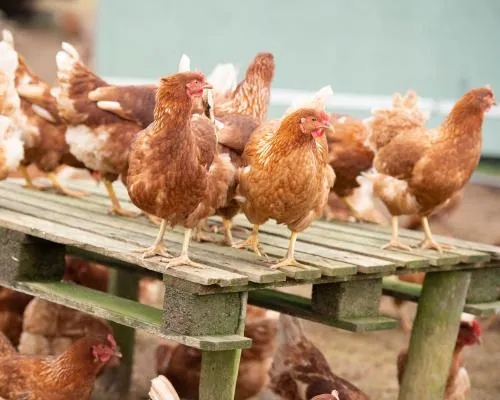
Ruth Westcott from Sustain emphasized the risks associated with intensive poultry farming. She stated, “Intensive poultry farming is highly resource-intensive and polluting, making it an unsuitable solution for addressing food security.” The campaign group Communities Against Factory Farming (CAFF) shares this view, urging the government to reconsider its plans.
Import Dependency and Vulnerability
Maya Pardo from CAFF highlighted another significant concern: “The government’s own national security assessment stresses that current levels of animal farming are unsustainable without imports, with soy from South America accounting for 18% of produced animal feed.” This dependency makes the UK vulnerable to supply chain shocks and ecosystem collapse.
Broader Concerns and Solutions
The issue extends beyond poultry. The government's recent farming roadmap, designed to safeguard long-term food security amid geopolitical and environmental challenges, acknowledges that severe food price shocks are a real threat. Professor Tim Benton of the University of Leeds warned about the volatility of the global environment, suggesting a shift in agricultural policy towards more resilient systems.
Call for Sustainable Practices
Harrriet Bell from Riverford Organic Farms stressed the importance of sustainable farming methods. She stated that planning reform must support healthy water systems and biodiversity while enhancing food production. The organic action plan for England, she believes, should play a crucial role in implementing such changes.
Source: The Guardian
Green News
270 posts
-
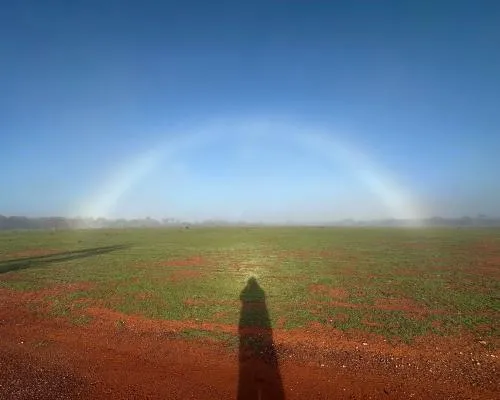 Rare Fogbows: A Meteorological Rarity in Australia
Fogbows are rare optical illusions seen in Australia during specific weather conditions. Learn about their formation and the factors required for them to appear.
-
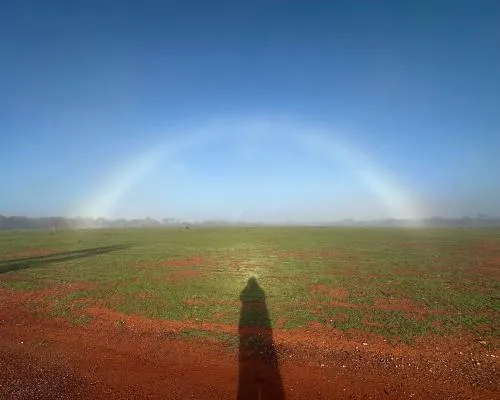 Mysterious Fogbows Emerge in Australia: A Rare Optical Illusion
Fogbows, rare atmospheric phenomena similar to rainbows but appearing in foggy conditions, have been observed in Australia. These fleeting illusions require precise alignment of sun and dense yet not too thick fog for visibility.
-
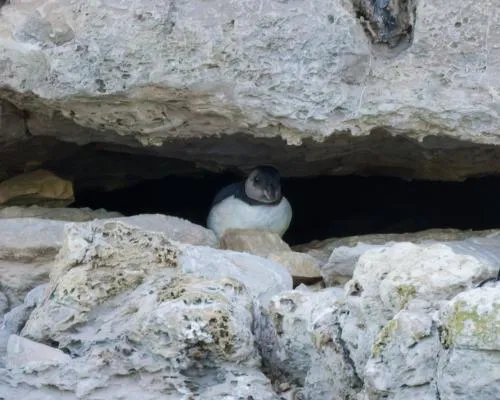 Rare Puffling Sighted After Three Decades on Dorset Coast
A rare puffling has been spotted on Dorset's coast after three decades, renewing hopes for the local puffin population.
-
 Water Leaks Outstrip Hosepipe Ban Savings in England and Wales
A new study reveals that water companies in England and Wales are losing five times more water through leaks than they could save with a hosepipe ban. Environmental campaigners warn of increasing droughts due to climate change.
-
 U.S. Voters Link Extreme Weather to Climate Crisis, Despite Trump’s Denials
A new survey reveals that the majority of American voters link extreme weather events, including heatwaves and floods, to the climate crisis. Despite Republican skepticism, the findings indicate growing public concern that surpasses political polarization on this issue.
-
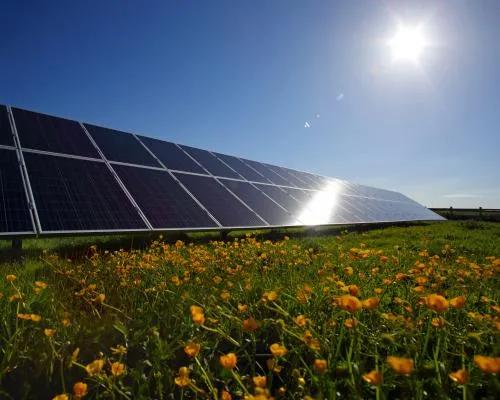 Carbon Capture as a Shield for Fossil Fuel Expansion Contested
An analysis of the arguments against using carbon capture as a shield for fossil fuel expansion, highlighting methane emissions and the superiority of renewable energy sources.
-
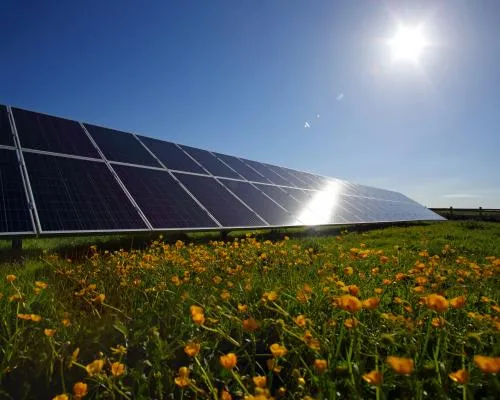 Critics Argue Carbon Capture Is a Deceptive Tool for Fossil Fuel Expansion
A letter in The Guardian discusses the high costs and limited effectiveness of carbon capture technologies compared to renewable energy sources, while critics argue these measures may merely serve as a cover for expanding fossil fuel industries.
-
 Topless Trends: The Scottish Custom of Taps Aff
Letters from readers discuss traditional Scottish practices like 'taps aff' and related debates on attire, prison conditions, and educational methods.
-
 Rare Sight: Red-Necked Phalarope Returns to Irish Marsh
A rare sighting of the red-necked phalarope, last seen breeding in Annagh Marsh for over 30 years, adds wonder and significance to a magical Irish coastal habitat.
-
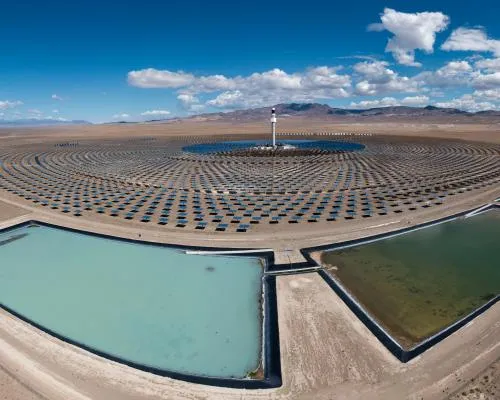 Innovative Energy Storage Solutions Revolutionize Clean Power
New battery technologies like cryobatteries, molten salt storage, sand batteries, and sweat-powered wearables are transforming the way we store and use renewable energy.


