- Young Scots traditionally go shirtless during hot weather.
- Etiquette experts advise against going topless outside beach areas.
- A debate on workplace attire and cultural norms emerges.
Traditional Scottish Practice
Scotland, known for its rugged landscapes and harsh winters, has a unique summer custom that may surprise those unfamiliar with the country: many young men choose to go shirtless when the weather warms up. This practice, often referred to as 'taps aff' in local dialect, is more than just a fashion statement; it's deeply rooted in the cultural fabric of certain communities.
Zak Maoui, the style director of Esquire magazine, expressed his reservations about this practice in an interview with The Guardian. 'I’m amused by the comments of Zak Maoui, the style director of Esquire magazine, on going shirtless in hot weather outside of the beach,' said Siobhan McGovern from Edinburgh. Maoui's statement suggests that he might not have visited Scotland recently or isn't familiar with the local customs: 'I'm guessing he’s not visited Scotland recently.' However, as soon as the sun comes out here it’s a kind of macho obligation for certain young guys to parade round topless ('taps aff' in the local parlance), but there's nothing stylishly louche about their torsos.
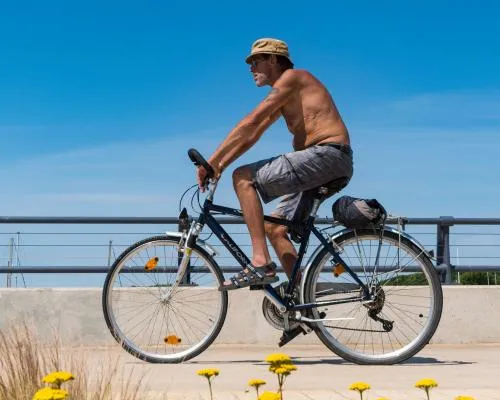
Etiquette expert Mariah Humbert offered advice on appropriate attire during such weather conditions. 'Wear a trouser, or a longer skirt or dress,' she advised. While this guidance might seem out of place in beach settings, it challenges the broader societal norms around modesty and professionalism. Helen Swallow from Luxembourg humorously wondered if half-pants will become part of office wear in the near future, reflecting a playful perspective on cultural adaptations: 'A trouser? Can we expect to see office workers wearing half of a pair of trousers in the near future?' What about a short, a pant or a sunglass?
Related Debates
The debate around appropriate attire extends beyond Scotland's shores. Margaret Vandecasteele from Cupar, Fife, raised an interesting point about prison conditions: 'Surely it would make more sense to release all Palestine Action prisoners if there is a shortage of prison space.' This brings into focus broader discussions on criminal justice and penal reform. Margaret Vandecasteele suggested early release for certain prisoners as a way to alleviate overcrowding issues in jails.
Other contributors provided insights into educational practices. David Hart from Chesterfield, Derbyshire, explained the concepts of decoding and automaticity in reading: 'A child who can decode can work out what most words say. Automaticity means they can read most material without giving thought to the process.' He also humorously noted that grandchildren now often have to explain modern terms to their older relatives, challenging traditional learning methods: 'You do not explain modern terms to your grandchildren, Dr Merry. They explain them to you.'
As the letters section continues to reflect diverse perspectives on local customs and broader societal issues, it serves as a platform for meaningful dialogue. The topless trend in Scotland, while seemingly trivial, touches upon deeper questions of cultural norms, professional standards, and social change.
The discussion around going shirtless in Scotland highlights how traditional practices can intersect with modern expectations. While some might find the practice somewhat quaint or even outlandish, it reflects a blend of local customs and contemporary trends. The debate over appropriate attire and its broader implications reveals the complex interplay between cultural norms and societal standards.
Source: The Guardian

Green News
270 posts
-
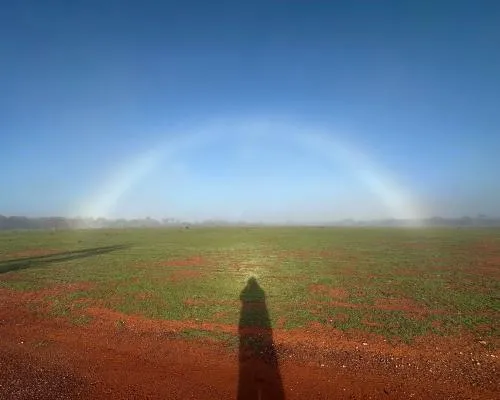 Rare Fogbows: A Meteorological Rarity in Australia
Fogbows are rare optical illusions seen in Australia during specific weather conditions. Learn about their formation and the factors required for them to appear.
-
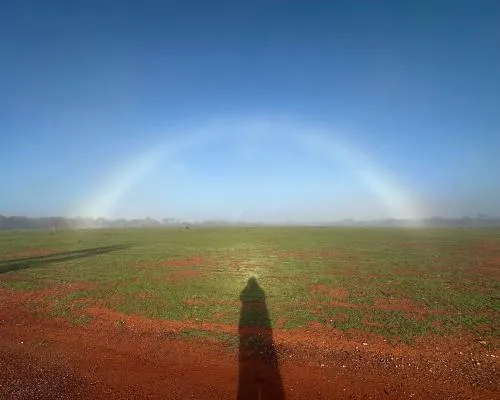 Mysterious Fogbows Emerge in Australia: A Rare Optical Illusion
Fogbows, rare atmospheric phenomena similar to rainbows but appearing in foggy conditions, have been observed in Australia. These fleeting illusions require precise alignment of sun and dense yet not too thick fog for visibility.
-
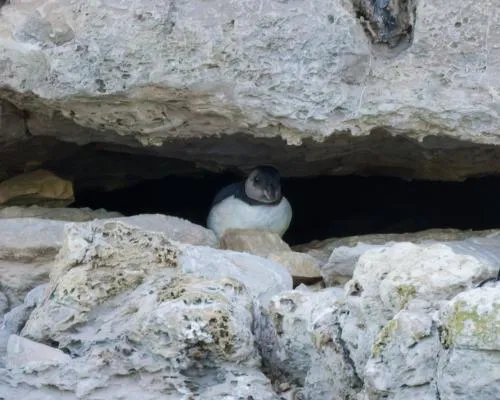 Rare Puffling Sighted After Three Decades on Dorset Coast
A rare puffling has been spotted on Dorset's coast after three decades, renewing hopes for the local puffin population.
-
 Water Leaks Outstrip Hosepipe Ban Savings in England and Wales
A new study reveals that water companies in England and Wales are losing five times more water through leaks than they could save with a hosepipe ban. Environmental campaigners warn of increasing droughts due to climate change.
-
 U.S. Voters Link Extreme Weather to Climate Crisis, Despite Trump’s Denials
A new survey reveals that the majority of American voters link extreme weather events, including heatwaves and floods, to the climate crisis. Despite Republican skepticism, the findings indicate growing public concern that surpasses political polarization on this issue.
-
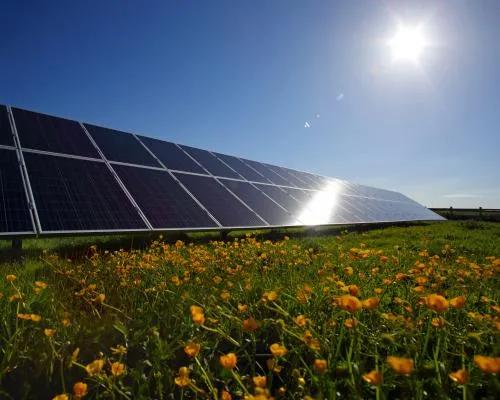 Carbon Capture as a Shield for Fossil Fuel Expansion Contested
An analysis of the arguments against using carbon capture as a shield for fossil fuel expansion, highlighting methane emissions and the superiority of renewable energy sources.
-
 UK Poultry Expansion Plan Met with Environmental and Food Security Concerns
Campaigners argue that the UK's proposed poultry growth plan could undermine national security due to its resource-intensive nature and reliance on imported feed.
-
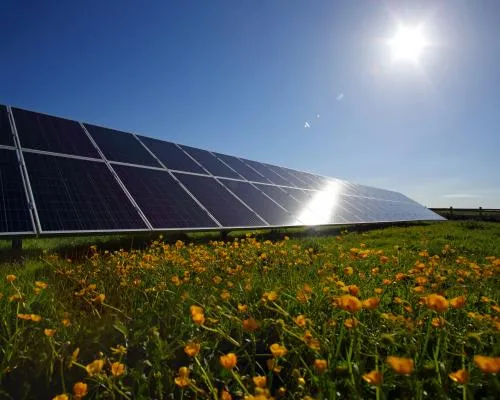 Critics Argue Carbon Capture Is a Deceptive Tool for Fossil Fuel Expansion
A letter in The Guardian discusses the high costs and limited effectiveness of carbon capture technologies compared to renewable energy sources, while critics argue these measures may merely serve as a cover for expanding fossil fuel industries.
-
 Rare Sight: Red-Necked Phalarope Returns to Irish Marsh
A rare sighting of the red-necked phalarope, last seen breeding in Annagh Marsh for over 30 years, adds wonder and significance to a magical Irish coastal habitat.
-
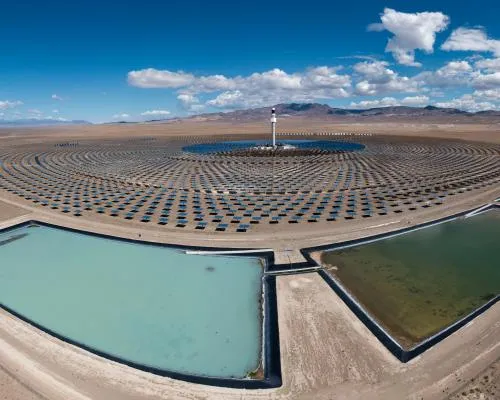 Innovative Energy Storage Solutions Revolutionize Clean Power
New battery technologies like cryobatteries, molten salt storage, sand batteries, and sweat-powered wearables are transforming the way we store and use renewable energy.


