- The proposed licensing of gasfields with CCS conditions is criticized for excluding methane emissions.
- Renewables are more cost-effective at avoiding CO2 emissions compared to CCS projects.
- CCS jobs, especially operational roles, do not justify the substantial public subsidy.
Exclusion of Methane Emissions
In a letter to The Guardian, Professor Myles Allen and colleagues suggest licensing gasfields with conditions for storing carbon dioxide generated by their products. However, their proposal omits methane emissions, which are significant contributors to near-term climate impacts.
Methane leaks occur throughout the fossil-fuel supply chain, from extraction to shipping. Satellite observations and academic research indicate substantial methane plumes, making it the dominant near-term climate impact for liquefied natural gas (LNG) supplies. Policymakers should exercise caution with this proposal since it fails to address these critical emissions.
Cost Comparison Between CCS and Renewables
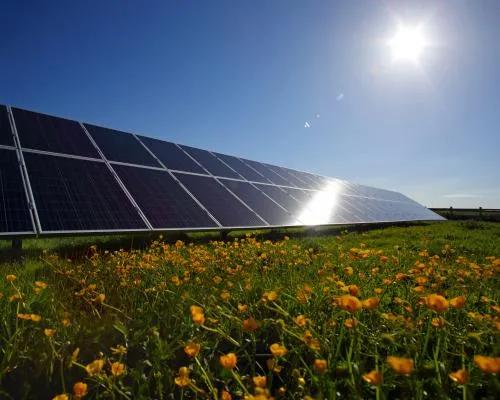
The UK's Climate Change Committee estimates that CCS could cost up to £264 billion by 2050, a figure derived from their own data. However, this estimate might be conservative when considering the Carbon Capture and Storage Association’s project pipeline, which projects around 77 million tonnes of CO2 capture – 25 times more than currently planned.
The International Energy Agency reports that solar and wind power avoided 2,600 megatonnes of CO2 in 2025, far exceeding the 40 megatonnes captured by global CCS projects. This gap will widen as renewables grow faster and become more cost-effective.
Job Creation and Public Subsidy
CCS job figures are often cited as a justification for public investment. While construction jobs provide initial employment, operational roles are much fewer and less lasting. The subsidy continues for 25 years, making the cost per lasting job extraordinarily high.
Olivia Powis, CEO of the Carbon Capture and Storage Association (CCSA), emphasizes that CCS is primarily aimed at capturing emissions from new gas power stations, not retrofitting existing ones. This means public money is supporting the construction of new fossil fuel infrastructure.
Arguments Against Continued Fossil Fuel Investment
Satellite observations and academic research highlight significant methane leaks in LNG supply chains, making it a critical issue that cannot be ignored by policymakers. Additionally, CCS does not address the substantial upstream emissions from imported gas.
Simon Oldridge argues that investing heavily in fossil fuels is unnecessary when 100% renewable energy systems are technically feasible and more cost-effective. Nature restoration offers proven methods to remove residual carbon while providing additional benefits like flood protection and improved public health.
The debate around CCS highlights the need for transparent and evidence-based policymaking, ensuring that public funds support genuinely effective solutions rather than perpetuating fossil fuel dependency.
Source: The Guardian

Green News
270 posts
-
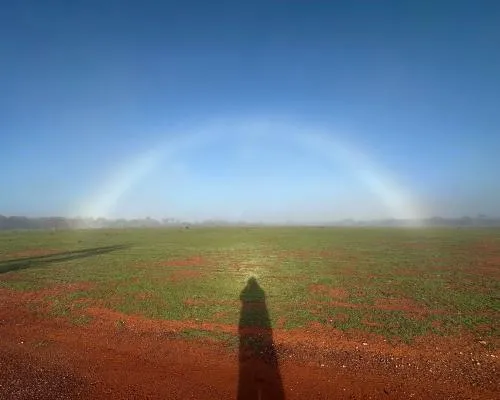 Rare Fogbows: A Meteorological Rarity in Australia
Fogbows are rare optical illusions seen in Australia during specific weather conditions. Learn about their formation and the factors required for them to appear.
-
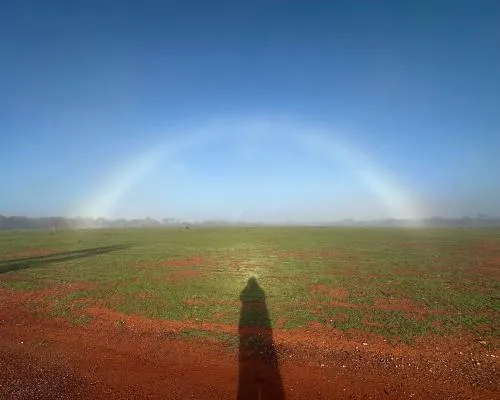 Mysterious Fogbows Emerge in Australia: A Rare Optical Illusion
Fogbows, rare atmospheric phenomena similar to rainbows but appearing in foggy conditions, have been observed in Australia. These fleeting illusions require precise alignment of sun and dense yet not too thick fog for visibility.
-
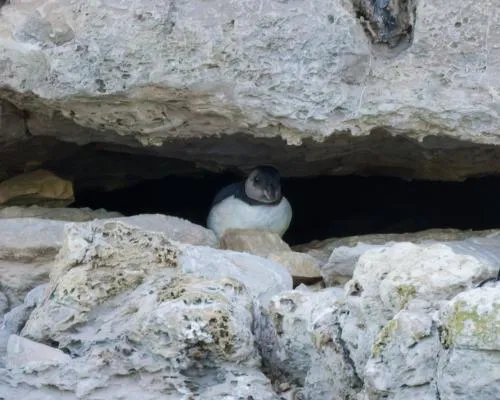 Rare Puffling Sighted After Three Decades on Dorset Coast
A rare puffling has been spotted on Dorset's coast after three decades, renewing hopes for the local puffin population.
-
 Water Leaks Outstrip Hosepipe Ban Savings in England and Wales
A new study reveals that water companies in England and Wales are losing five times more water through leaks than they could save with a hosepipe ban. Environmental campaigners warn of increasing droughts due to climate change.
-
 U.S. Voters Link Extreme Weather to Climate Crisis, Despite Trump’s Denials
A new survey reveals that the majority of American voters link extreme weather events, including heatwaves and floods, to the climate crisis. Despite Republican skepticism, the findings indicate growing public concern that surpasses political polarization on this issue.
-
 UK Poultry Expansion Plan Met with Environmental and Food Security Concerns
Campaigners argue that the UK's proposed poultry growth plan could undermine national security due to its resource-intensive nature and reliance on imported feed.
-
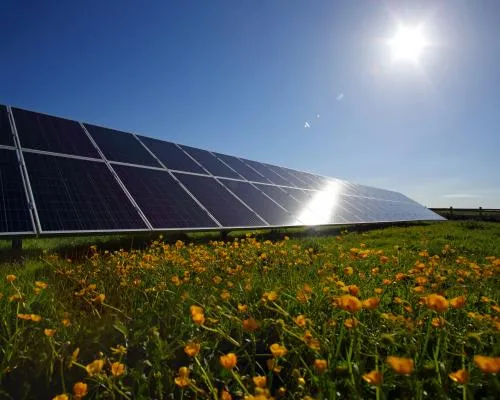 Critics Argue Carbon Capture Is a Deceptive Tool for Fossil Fuel Expansion
A letter in The Guardian discusses the high costs and limited effectiveness of carbon capture technologies compared to renewable energy sources, while critics argue these measures may merely serve as a cover for expanding fossil fuel industries.
-
 Topless Trends: The Scottish Custom of Taps Aff
Letters from readers discuss traditional Scottish practices like 'taps aff' and related debates on attire, prison conditions, and educational methods.
-
 Rare Sight: Red-Necked Phalarope Returns to Irish Marsh
A rare sighting of the red-necked phalarope, last seen breeding in Annagh Marsh for over 30 years, adds wonder and significance to a magical Irish coastal habitat.
-
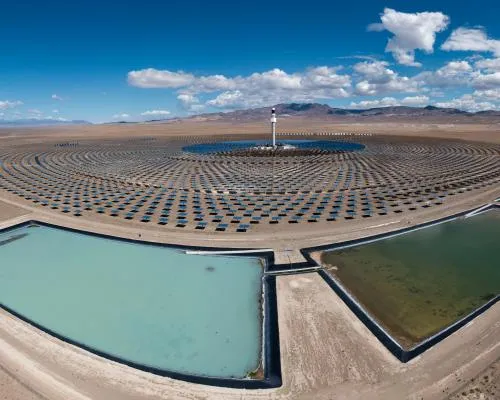 Innovative Energy Storage Solutions Revolutionize Clean Power
New battery technologies like cryobatteries, molten salt storage, sand batteries, and sweat-powered wearables are transforming the way we store and use renewable energy.


