Most Riverbanks in England Lack Public Access as Extreme Heatwaves Worsen

- 71% of riverbanks in England have no public access within 100 meters.
- Campaigners call for a right of responsible access to water and land.
- Lack of river access is most pronounced in the west of Cornwall up to northern England.
Access Denied: Most Riverbanks Lack Public Use
A new report from Right to Roam has revealed that almost three-quarters of riverbanks in England have no public access, with 71% lacking any adjacent access within 100 meters. The data spans across the entire country, covering river catchments from west Cornwall up to the Tweed River, which flows through northern England and Scotland.
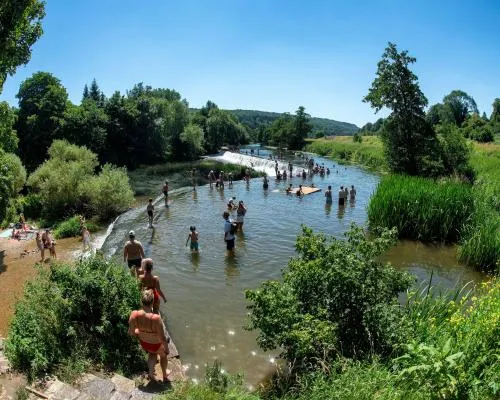
According to Lewis Winks, an environmental social scientist from Right to Roam who led the research, 'Access to rivers should be a basic right, yet the vast majority remain off-limits.' He emphasized that as extreme heatwaves become more frequent and intense, it is crucial for the public to have access to waterways for cooling.
The report highlights significant regional disparities in river access. For example, 90% of the riverbank in one catchment has no access rights, while the figure drops to around half in another. Many designated walking trails are affected, such as the Severn Way and the Test Way, which often veer away from rivers due to limited access.
Kate Rew, from the Outdoor Swimming Society, expressed her vision for the future: 'In 20 years time, I want to see living rivers across England, with people free to reach them to swim, paddle, walk and spend time by the water.' She emphasized that being part of nature improves health and well-being. However, she pointed out that right now, 'people rarely fight for places they are excluded from,' and added that our rivers need people to advocate for them.
The government's response has been mixed. Keir Starmer’s administration committed to creating nine new national river walks, including the River Mersey walkway. However, Winks noted that the first of these had not resulted in any additional public access. The data also showed that 96% of rivers in England and Wales do not have a defined statutory right for activities such as swimming or paddling, making them off-limits to most people.
As record-breaking heatwaves continue to prompt families and young people to seek free ways to cool down, there has been increasing pressure on public officials to address this issue. Rescue services have warned that entering cold water can be dangerous, especially during extreme temperatures. The data published by Right to Roam revealed significant regional disparities in river access.
Call for Action: Rights and Access to Nature
Campaigners are urging Environment Secretary Angela Eagle to initiate a consultation on rights of responsible access to water and land as part of an 'access to nature green paper.' Lewis Winks emphasized the importance of this initiative, stating that rivers should be accessible as a basic right for the public to benefit during extreme heatwaves. The government's commitment to restoring nature and increasing access is welcome, but critics argue that more needs to be done to ensure that people can enjoy these waterways safely and freely.
The lack of accessible waterways is particularly concerning given their importance as natural cooling sources in a warming climate. Reconnecting communities with their rivers is essential.
Source: The Guardian
Green News
272 posts
-
 Sustainable Forestry Practices Yield Green Islands in Central America
The Maya Biosphere Reserve in Guatemala showcases how sustainable logging and community involvement can preserve forests while improving local livelihoods.
-
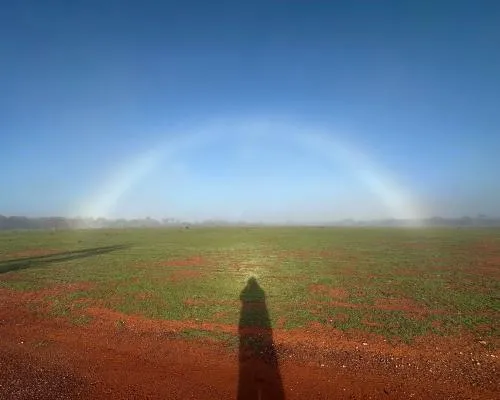 Rare Fogbows: A Meteorological Rarity in Australia
Fogbows are rare optical illusions seen in Australia during specific weather conditions. Learn about their formation and the factors required for them to appear.
-
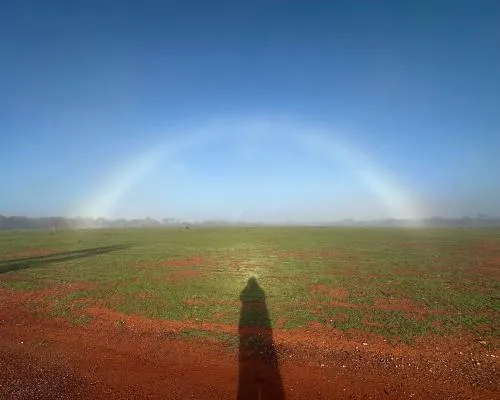 Mysterious Fogbows Emerge in Australia: A Rare Optical Illusion
Fogbows, rare atmospheric phenomena similar to rainbows but appearing in foggy conditions, have been observed in Australia. These fleeting illusions require precise alignment of sun and dense yet not too thick fog for visibility.
-
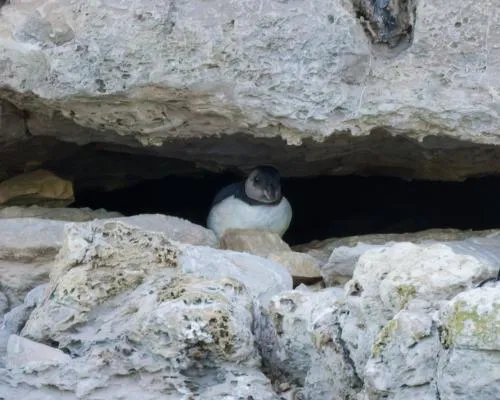 Rare Puffling Sighted After Three Decades on Dorset Coast
A rare puffling has been spotted on Dorset's coast after three decades, renewing hopes for the local puffin population.
-
 Water Leaks Outstrip Hosepipe Ban Savings in England and Wales
A new study reveals that water companies in England and Wales are losing five times more water through leaks than they could save with a hosepipe ban. Environmental campaigners warn of increasing droughts due to climate change.
-
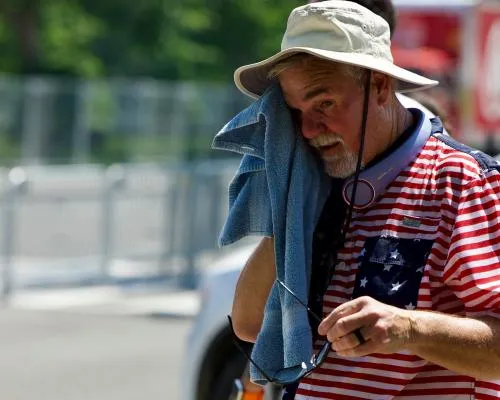 U.S. Voters Link Extreme Weather to Climate Crisis, Despite Trump’s Denials
A new survey reveals that the majority of American voters link extreme weather events, including heatwaves and floods, to the climate crisis. Despite Republican skepticism, the findings indicate growing public concern that surpasses political polarization on this issue.
-
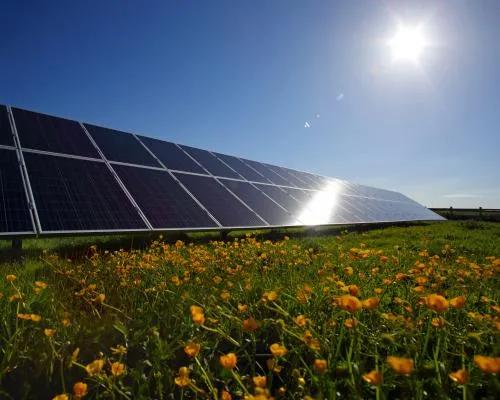 Carbon Capture as a Shield for Fossil Fuel Expansion Contested
An analysis of the arguments against using carbon capture as a shield for fossil fuel expansion, highlighting methane emissions and the superiority of renewable energy sources.
-
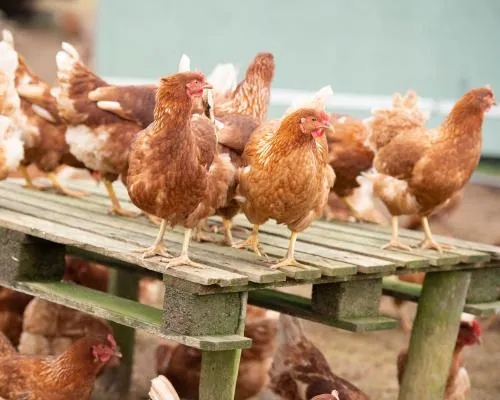 UK Poultry Expansion Plan Met with Environmental and Food Security Concerns
Campaigners argue that the UK's proposed poultry growth plan could undermine national security due to its resource-intensive nature and reliance on imported feed.
-
 Critics Argue Carbon Capture Is a Deceptive Tool for Fossil Fuel Expansion
A letter in The Guardian discusses the high costs and limited effectiveness of carbon capture technologies compared to renewable energy sources, while critics argue these measures may merely serve as a cover for expanding fossil fuel industries.
-
 Topless Trends: The Scottish Custom of Taps Aff
Letters from readers discuss traditional Scottish practices like 'taps aff' and related debates on attire, prison conditions, and educational methods.


