- Black American women are increasingly traveling to South Korea for comprehensive health check-ups.
- Healthcare in South Korea is perceived as more patient-centric and inclusive compared to the US.
- The disparity in healthcare experience includes rushed appointments and minimized symptoms among Black women in the US.
Global Healthcare Tourism: A New Trend Among Black Women
In recent years, South Korea has become a popular destination for medical tourism, particularly among African American women who are seeking more thorough and inclusive healthcare. This trend is driven by their dissatisfaction with the current healthcare landscape in the United States, where they often feel minimized or dismissed.
Comprehensive Care in South Korea
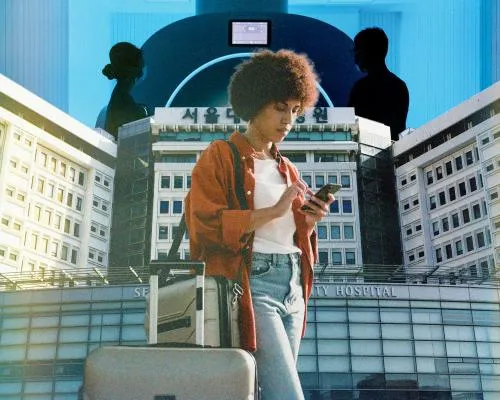
William Ban, co-founder of Himedi, a preventive health platform that connects American clients with comprehensive diagnostic screenings in South Korea, highlights significant differences. “Our clients have told us they want to know what’s actually going on in their body,” he explains. “They arrive in Korea and access a level of diagnostic thoroughness with same-day imaging, comprehensive panels, and specialist reviews that would take months and considerable out-of-pocket cost in the US.”
This experience stands in stark contrast to the often rushed and under-attended visits many Black women face in the U.S. healthcare system. Adzua Agyapon, a non-profit worker from Washington D.C., noted during her visit to Medione Medical Center in Seoul that she was given thorough attention: “The medical staff were just so accommodating, so kind, and so patient. That level of compassion and concern is not something I’ve ever experienced in America,” she said.
Health Disparities Among Black Women
According to data, Black American women face significant health disparities, with higher rates of cardiovascular disease and breast cancer compared to other demographics. Elizabeth Oputa, a brand strategist from New Jersey, explains her frustration: “In the US, when I go to see a doctor, I usually feel rushed, not heard, and that I don’t even have time to give them all the information.” This often requires Black women to become their own advocates, pushing for additional testing and specialist referrals.
Comprehensive Healthcare Experiences in South Korea
Dr. Terika L Haynes, a travel adviser from Florida, found herself without health insurance after becoming self-employed but continued her care in South Korea, where she had a comprehensive medical exam in less than three hours. “Everything was centralized, which made it super efficient and convenient,” she said. This efficiency is complemented by the patient-first approach that is embedded in South Korean healthcare culture.
While traveling for healthcare remains a privilege, these experiences highlight systemic issues within the American healthcare system. Fumi Ekhator, an attorney from Pennsylvania, noted the inclusive nature of skincare practices in South Korea: “I went to a Korean pharmacy and when I went to check out, they walked me through proper use and told me it can be really irritating for dark skin. There was just an awareness and caution that felt very inclusive,” she said.
Despite these positive experiences, medical tourism does not address the broader systemic issues that produce health disparities among Black women. It remains a choice available primarily to those with financial means and flexibility, leaving many without such options.
Source: The Guardian

Culture News
129 posts
-
 Mỗi vóc dáng cần một cách lựa chọn khác nhau
Các đơn vị chuyên về vest nam tphcm hiện nay thường cung cấp nhiều dòng sản phẩm khác nhau, từ vest công sở, vest dự tiệc đến vest dành cho lễ cưới, giúp khách hàng dễ dàng tìm được mẫu phù hợp với nhu cầu sử dụng. Đồng th
-
 Exploring Victorian Poverty Through an Immersive Workhouse Experience
The Ripon Workhouse Museum has reopened after a major revamp, offering visitors a more immersive experience to explore the harsh realities of Victorian workhouses and their relevance to contemporary issues.
-
 The Enduring Allure of Homer’s Odyssey: From Ancient Epic to Modern Pop Culture
The Odyssey, an ancient Greek epic, continues to influence contemporary media through various adaptations, from films like Christopher Nolan’s to literary works such as Dante's Inferno and Ulysses. Its themes resonate deeply with modern issues.
-
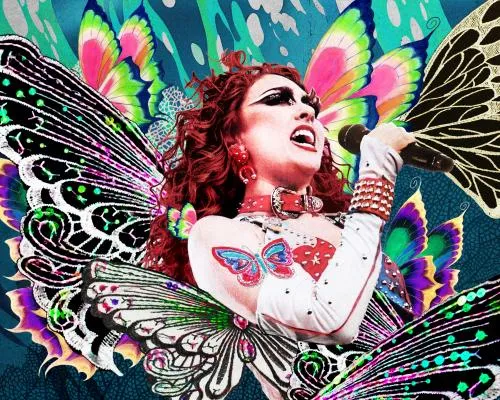 Chappell Roan’s ‘Casual’ Offers Reality Check on Ambiguous Relationships
Chappell Roan's hit song ‘Casual’ helped an individual gain clarity in ambiguous relationships and led to the end of a long-distance situationship.
-
 Christopher Nolan’s Dominance Shaping Blockbuster Battles
Christopher Nolan's dominance in the film industry is reshaping blockbuster battles. His ability to consistently draw large audiences makes him unique among today’s directors.
-
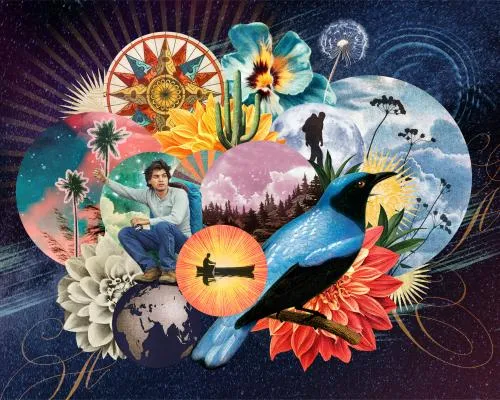 The Quest for Freedom: How a Film Inspired a Journey Through Nature
Morgan da Silva shares how 'Into the Wild' inspired him on his adventures and eventually led him to find inner peace through nature.
-
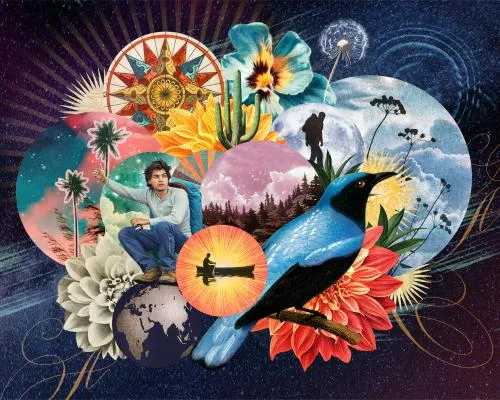 Finding Freedom: A Hiker's Journey from Escapism to Deep Connection
A hiker reflects on how an adventure inspired by Into the Wild led to a deeper understanding of freedom and personal growth.
-
 Schomburg Center's Centennial Celebrates Black History and Culture
The Schomburg Center celebrates 100 years of collecting and showcasing Black history with exhibits and digitization projects, focusing on underrepresented artists.
-
 Seth Meyers Criticizes Trump’s Bizarre Priorities on Late Night Show
Seth Meyers on Late Night criticized Donald Trump’s focus on obscure issues like sperm counts and magnets during his presidency.
-
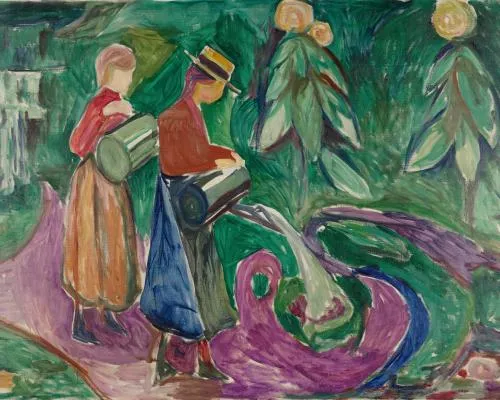 The Art of Advocacy: Exploring Edvard Munch’s Freia Frieze in Oslo
Exhibition examines Edvard Munch’s Freia frieze, revealing hidden intentions behind public art commissioned for a chocolate factory.


