- AGC Chemicals Europe plans to close its PFAS factory in Thornton-Cleveleys, Lancashire.
- More than 90 residents have expressed interest in a potential legal claim over contamination from the plant's emissions.
- The factory emitted approximately 49 tonnes of carcinogenic PFOA between the 1950s and 2012.
Background to the Story
The AGC Chemicals Europe PFAS factory in Thornton-Cleveleys, Lancashire, faces closure after decades of operation. The decision comes days after reports emerged that over 90 residents have shown interest in pursuing a legal claim against the company for contamination caused by its emissions.
Details of Potential Legal Claim
The factory's closure was prompted by significant financial and operational challenges, resulting in losses over the past four years. However, AGC Chemicals Europe remains committed to its responsibilities towards employees, the local community, and the environment. The company states that if it decides to cease manufacturing operations, it will ensure compliance with all regulatory obligations.
History of Contamination
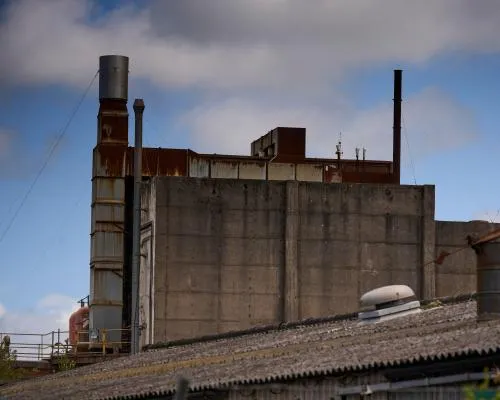
The factory, which AGC Chemicals purchased in 1999, has a history of emitting PFAS chemicals into the environment. Between the 1950s and 2012, it released an estimated 49 tonnes of PFOA (perfluorooctanoic acid), a carcinogenic substance that is often referred to as a 'forever chemical' due to its persistence in the environment.
Impact on Local Community
The contamination has had significant implications for local residents. Soil tests and produce testing have revealed high levels of PFOA, leading authorities to advise residents to wash and peel homegrown food and avoid locally produced eggs. Two nearby allotment sites have been closed as a precautionary measure.
Investigations and Health Concerns
A government-commissioned study found higher-than-expected rates of kidney cancer in the area, though it did not establish a direct environmental link. Experts have called for further investigation, including blood testing. Internal documents from AGC Chemicals Europe revealed that they conducted tests on monkeys, which resulted in significant toxicity.
Legal and Environmental Concerns
The company faced scrutiny over its PFAS production methods, with internal documentation showing tests on animals as early as the late 1990s. AGC Chemicals Europe stopped using PFOA in 2012 but continues to produce another type of PFAS chemical called EEA-NH4. The Health and Safety Executive is currently considering whether to classify this substance as a possible carcinogen.
The potential legal action underscores the ongoing environmental challenges faced by communities near PFAS facilities. While the closure of AGC Chemicals Europe's factory is a significant development, it leaves many questions about long-term health impacts and regulatory oversight.
Source: The Guardian

Green News
270 posts
-
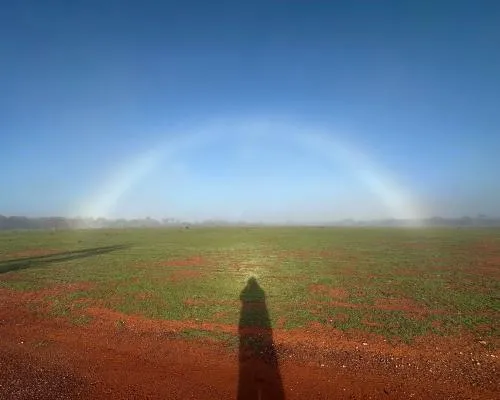 Rare Fogbows: A Meteorological Rarity in Australia
Fogbows are rare optical illusions seen in Australia during specific weather conditions. Learn about their formation and the factors required for them to appear.
-
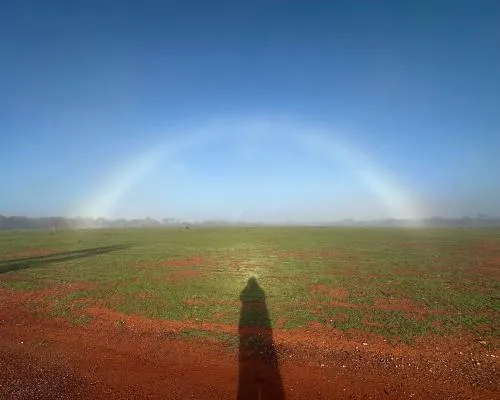 Mysterious Fogbows Emerge in Australia: A Rare Optical Illusion
Fogbows, rare atmospheric phenomena similar to rainbows but appearing in foggy conditions, have been observed in Australia. These fleeting illusions require precise alignment of sun and dense yet not too thick fog for visibility.
-
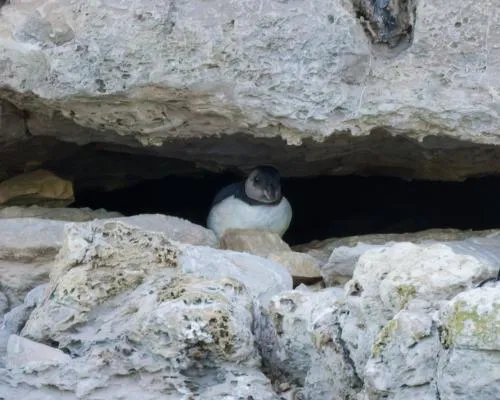 Rare Puffling Sighted After Three Decades on Dorset Coast
A rare puffling has been spotted on Dorset's coast after three decades, renewing hopes for the local puffin population.
-
 Water Leaks Outstrip Hosepipe Ban Savings in England and Wales
A new study reveals that water companies in England and Wales are losing five times more water through leaks than they could save with a hosepipe ban. Environmental campaigners warn of increasing droughts due to climate change.
-
 U.S. Voters Link Extreme Weather to Climate Crisis, Despite Trump’s Denials
A new survey reveals that the majority of American voters link extreme weather events, including heatwaves and floods, to the climate crisis. Despite Republican skepticism, the findings indicate growing public concern that surpasses political polarization on this issue.
-
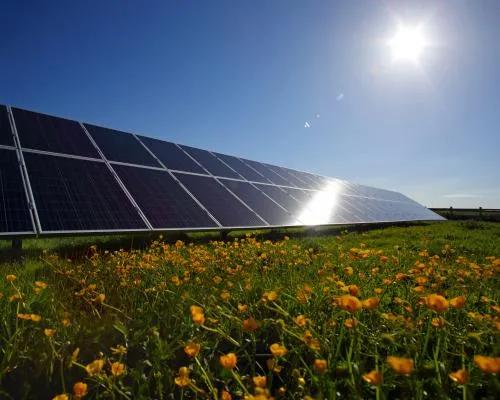 Carbon Capture as a Shield for Fossil Fuel Expansion Contested
An analysis of the arguments against using carbon capture as a shield for fossil fuel expansion, highlighting methane emissions and the superiority of renewable energy sources.
-
 UK Poultry Expansion Plan Met with Environmental and Food Security Concerns
Campaigners argue that the UK's proposed poultry growth plan could undermine national security due to its resource-intensive nature and reliance on imported feed.
-
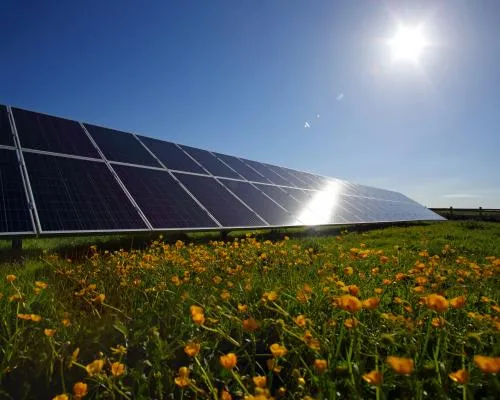 Critics Argue Carbon Capture Is a Deceptive Tool for Fossil Fuel Expansion
A letter in The Guardian discusses the high costs and limited effectiveness of carbon capture technologies compared to renewable energy sources, while critics argue these measures may merely serve as a cover for expanding fossil fuel industries.
-
 Topless Trends: The Scottish Custom of Taps Aff
Letters from readers discuss traditional Scottish practices like 'taps aff' and related debates on attire, prison conditions, and educational methods.
-
 Rare Sight: Red-Necked Phalarope Returns to Irish Marsh
A rare sighting of the red-necked phalarope, last seen breeding in Annagh Marsh for over 30 years, adds wonder and significance to a magical Irish coastal habitat.
-
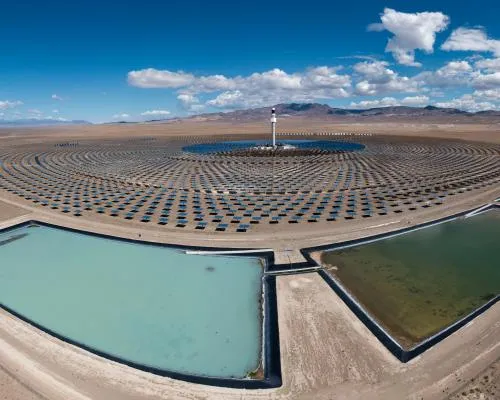 Innovative Energy Storage Solutions Revolutionize Clean Power
New battery technologies like cryobatteries, molten salt storage, sand batteries, and sweat-powered wearables are transforming the way we store and use renewable energy.


