- Rice fields are disappearing due to tourism development, impacting water resources.
- Local communities and subak systems face challenges as water gets diverted for tourist use.
- Environmental experts warn of severe consequences if groundwater extraction continues unsustainably.
Vanishing Rice Fields
I Putu Partayasa, a lifelong farmer in Bali, describes how the dry season is becoming increasingly challenging due to reduced water availability. Fifteen years ago, his irrigation system was reliable, but now it only provides water on certain days. He attributes this decline to the diversion of water for tourism purposes.
The island has lost over 6,500 hectares of rice fields in just five years, representing a significant portion of its agricultural land. A report from the Transnational Institute indicates that tourism growth of 330% in the last quarter-century has contributed to this loss. Rice fields play a crucial role in water management; their removal compromises the natural water storage and recharge systems.
Impact on Local Communities
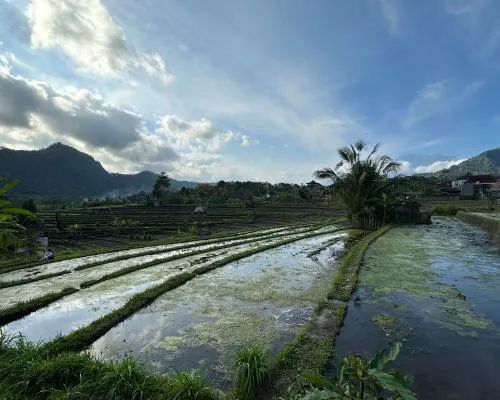
The transformation from agricultural land to tourist hotspots is evident in southern Bali, particularly Canggu. The area has seen a rapid increase in construction and development, with rice fields replaced by luxury accommodations, fitness centers, and co-working spaces. This shift not only alters the landscape but also disrupts traditional water sharing practices.
Residents like Kadek Siska are facing severe water shortages. Their home, once connected to a public water system, now relies on expensive deliveries from tanker trucks. Each household is spending nearly 10% of their income just to meet basic drinking and cooking needs. The disparity between tourist and local consumption is stark: tourists use up to 4,000 litres per day, compared to the average Balinese resident's daily usage of 30-50 litres.
Water Extraction and Regulations
Beyond surface-level impacts, groundwater extraction has become a major issue. A luxury resort in Bali receives up to 50,000 litres of water daily through tanker deliveries, equivalent to the annual supply for an average household. These operations are often unregulated, with many borewells operating without proper permits.
Niluh Djelantik, a social media influencer and senator from Bali, calls for stricter regulations and a moratorium on new hotel construction. She highlights how the shift to online permitting has bypassed community consultation, leading to hasty developments that undermine local water resources.
Preserving Water Heritage
In Munduk, Rudi Pak, a water priest, is fighting to preserve his land and its sacred waterfall from commercial interests. He emphasizes the importance of maintaining this natural resource for future generations. The Balinese-Hindu philosophy of Tri Hita Karana underscores the interconnectedness between humans, God, and nature, highlighting the need to protect both.
The situation in Bali exemplifies a broader issue facing many regions dependent on tourism: balancing economic growth with sustainable water management practices. Without urgent action to regulate groundwater extraction and preserve agricultural land, the environmental and social impacts will only worsen.
Source: The Guardian

Green News
270 posts
-
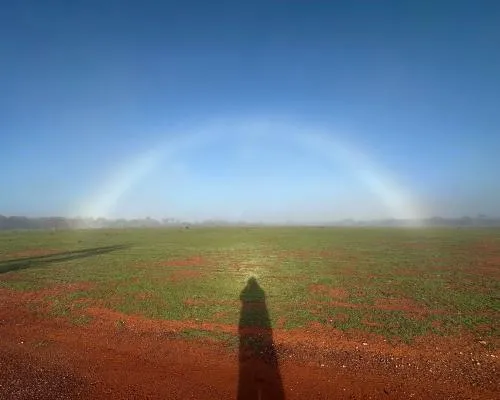 Rare Fogbows: A Meteorological Rarity in Australia
Fogbows are rare optical illusions seen in Australia during specific weather conditions. Learn about their formation and the factors required for them to appear.
-
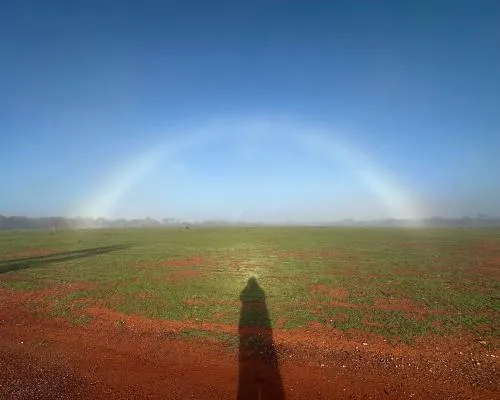 Mysterious Fogbows Emerge in Australia: A Rare Optical Illusion
Fogbows, rare atmospheric phenomena similar to rainbows but appearing in foggy conditions, have been observed in Australia. These fleeting illusions require precise alignment of sun and dense yet not too thick fog for visibility.
-
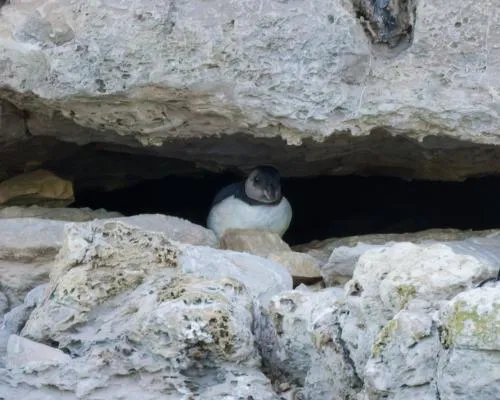 Rare Puffling Sighted After Three Decades on Dorset Coast
A rare puffling has been spotted on Dorset's coast after three decades, renewing hopes for the local puffin population.
-
 Water Leaks Outstrip Hosepipe Ban Savings in England and Wales
A new study reveals that water companies in England and Wales are losing five times more water through leaks than they could save with a hosepipe ban. Environmental campaigners warn of increasing droughts due to climate change.
-
 U.S. Voters Link Extreme Weather to Climate Crisis, Despite Trump’s Denials
A new survey reveals that the majority of American voters link extreme weather events, including heatwaves and floods, to the climate crisis. Despite Republican skepticism, the findings indicate growing public concern that surpasses political polarization on this issue.
-
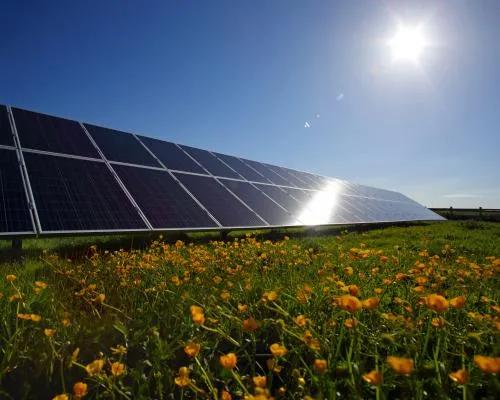 Carbon Capture as a Shield for Fossil Fuel Expansion Contested
An analysis of the arguments against using carbon capture as a shield for fossil fuel expansion, highlighting methane emissions and the superiority of renewable energy sources.
-
 UK Poultry Expansion Plan Met with Environmental and Food Security Concerns
Campaigners argue that the UK's proposed poultry growth plan could undermine national security due to its resource-intensive nature and reliance on imported feed.
-
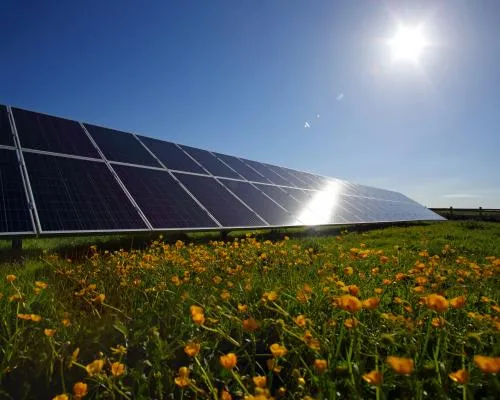 Critics Argue Carbon Capture Is a Deceptive Tool for Fossil Fuel Expansion
A letter in The Guardian discusses the high costs and limited effectiveness of carbon capture technologies compared to renewable energy sources, while critics argue these measures may merely serve as a cover for expanding fossil fuel industries.
-
 Topless Trends: The Scottish Custom of Taps Aff
Letters from readers discuss traditional Scottish practices like 'taps aff' and related debates on attire, prison conditions, and educational methods.
-
 Rare Sight: Red-Necked Phalarope Returns to Irish Marsh
A rare sighting of the red-necked phalarope, last seen breeding in Annagh Marsh for over 30 years, adds wonder and significance to a magical Irish coastal habitat.
-
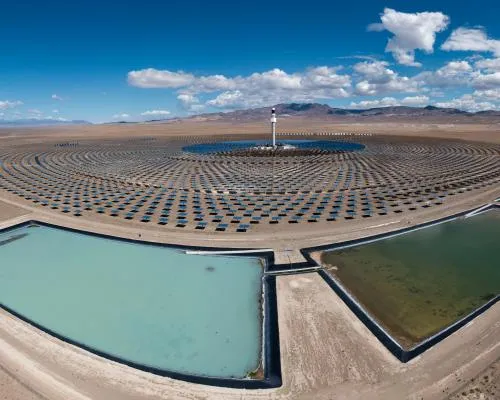 Innovative Energy Storage Solutions Revolutionize Clean Power
New battery technologies like cryobatteries, molten salt storage, sand batteries, and sweat-powered wearables are transforming the way we store and use renewable energy.


