GSK Invests in UK Life Sciences with Major Research Center Move to Cambridge

- GSK is investing £400m in a new research center in Cambridge.
- The company will move over 1,000 scientists and close its R&D site in Stevenage by 2029.
- Andrews Burnham praises the investment as a vote of confidence for UK business.
- GSK announces sweeping cost-cutting measures to fund its drug pipeline.
Key Details of GSK's Investment
The British pharmaceutical giant GlaxoSmithKline (GSK) is making significant investments in the UK life sciences sector, planning to invest £400 million over the next three years primarily in a new research and development center being developed within the Cambridge Biomedical Campus. This investment comes as part of GSK's broader strategy to enhance its R&D capabilities, with the goal of developing new, competitive products that integrate it further into one of the world’s leading centers of knowledge.
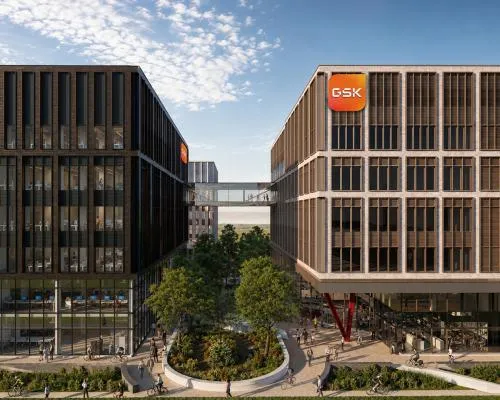
The company will move more than 1,000 scientists from its Research and Development (R&D) site in Stevenage to the new center. Additionally, GSK plans to upgrade its laboratories at nearby Ware and relocate some employees there as part of this strategic shift. The relocation is expected to be completed by 2029.
The move has received strong support from government officials, with Andy Burnham, Prime Minister, highlighting the significance: 'This investment demonstrates the success of the government's Industrial Strategy in unlocking vital private investment into the UK.' Over £3 billion of new public-private investment has been secured in the UK life sciences sector over the past year.
To fund this significant investment, GSK is implementing sweeping cost-cutting measures as part of its Accelerate Growth programme. The company aims to save £1.9 billion a year by 2029, which includes job cuts and other efficiency drives. GSK’s chief executive, Luke Miels, emphasized the importance of this investment: 'This will accelerate our R&D efforts and help us deliver new, competitive products that integrate GSK further into one of the world’s leading centers of knowledge.'
The impact on the local economy and industry is significant. The move to Cambridge is expected to support hundreds of high-skilled jobs in the East of England. It also reflects the growing importance of the UK's life sciences sector as a key driver for economic growth.
Cost-Cutting Measures
GSK has announced sweeping job cuts and cost-saving measures as part of its Accelerate Growth programme, aiming to save £1.9 billion by 2029. These measures are intended to fund the company's substantial investment in new research and development (R&D) centers.
The company also released its half-year results, which showed total revenue rose 5% to £8.4 billion at constant currencies in the second quarter, ahead of expectations. Specialty medicines revenue was up 14% to £3.8 billion, with double-digit percentage growth across its respiratory, immunology and inflammation, oncology, and HIV drugs divisions. However, GSK’s total operating profit fell by 75% to £481 million due to higher impairments on its abandoned cough drug, camlipixant, of £1.3 billion.
With this in mind, the Accelerate Growth programme aims to supercharge R&D efforts and integrate GSK more deeply into one of the world's leading centers of knowledge. Investments include a brand new flagship R&D center at Cambridge’s huge Biomedical Campus and revitalizing its pipeline by doubling late-stage trial starts in 2026.
Government Support and Economic Context
The investment in the new research center in Cambridge comes under the UK’s modern industrial strategy, aimed at boosting home-grown innovation and expertise. Andy Burnham, Prime Minister, praised the investment: 'This is a significant vote of confidence in the British economy and in Cambridge's cutting-edge life sciences sector.' The move will support hundreds of high-skilled jobs in the East of England.
Source: The Guardian
Business Daily
327 posts
-
 Second Vacation Home Mortgage Windsor: Financing Your Home Away from Home
Owning a vacation property is a dream shared by many families. It offers a peaceful escape from daily life while creating opportunities for unforgettable vacations and long-term investment.
-
 UK Government Investments Faces Criticism After Sensitive Data Exposed
UK Government Investments experiences a data breach exposing sensitive information, leading to internal reviews and enhanced security measures.
-
 US Small Businesses Adjust to Less Impactful Tariffs
US small businesses are adapting to lower-impact tariffs announced by the Trump administration, finding them less disruptive compared to previous rounds.
-
 US Small Businesses See New Tariffs as Less of a Threat Than Before
Despite renewed tariff announcements from the Trump administration, US small businesses are adapting and viewing them as less impactful compared to previous rounds.
-
 US Small Businesses Remain Calm Amid New Tariff Rounds
US small businesses are showing resilience against new tariff rounds that have lower rates compared to previous announcements.
-
 Experts Warn of Potential Price Hikes for Infant Formula Due to Proteinmaxxing Trend
The rising demand for whey protein due to 'proteinmaxxing' trends and weight-loss medications is likely to increase costs for infant formula, potentially impacting affordability. Experts urge government intervention.
-
 Ben & Jerry’s Founder Launches Campaign to Reclaim Brand Independence
Ben Cohen is leading an effort to free his ice-cream company from Unilever’s control amid concerns over activism silencing and brand values.
-
 HSBC Withdraws from Australian Retail Banking: Sale to Blackstone Announced
HSBC is exiting Australian retail banking by closing all 19 branches over 18 months after selling its mortgage portfolio to Blackstone.
-
 UK Defence Firms See Surge in Profits Amid Rising Global Military Spending
UK defence companies Rolls-Royce and BAE Systems have reported significant profit increases as global military spending rises. Both firms cited commitments from governments to boost their investments in defence systems.
-
 Financial Markets React to Global Economic Pressures
Global financial markets react to AI chip stock declines, BMW job cuts in Europe, UK worklessness trends, and surging oil prices due to geopolitical tensions.
-
 Inflation figures ease pressure on Reserve Bank, but rate rise likely later
Recent inflation figures have lowered expectations for an immediate interest rate hike by the Reserve Bank of Australia, though a rise is still anticipated later this year.


