- New tariff rates are significantly lower than previous rounds
- Small businesses have adapted to tariffs through various strategies
- Legal challenges and refunds help mitigate the impact of tariffs
Rebounding from his defeat at the Supreme Court, President Donald Trump has recently announced a new round of tariffs, invoking sections of various trade acts to levy amounts on industries and countries based on reasons ranging from “forced labor” to “excess capacity.” One word captures the current sentiment among small and medium-sized businesses in the United States: snoozefest.
For context, my firm has hundreds of clients who are small and medium-sized enterprises (SMEs). I am also a professional speaker and present to thousands of business owners across various industries at association events and conferences. Last year, tariffs were frequently discussed topics. However, this year the topic is not even on the agenda. People simply do not care.
The new tariff rates are much lower than previous attempts. For instance, tariff rates as high as 50% on Indian goods have been significantly reduced to a more manageable range of 10% to 12.5%. Additionally, the administration is already carving out exemptions for certain products and countries, which adds another layer of complexity but also some relief.
Refunds and Financial Relief

As I write this, refunds have been accepted and are due to be paid. This helps many companies' bank accounts but also gives them confidence that there is a process for overturning these actions.
Lawsuits and the Court System
Despite the reduced impact, lawsuits against the new tariffs are inevitable. A few small businesses have already filed suits contesting the president's latest round of levies. The court system has proven to be reliable in handling these cases. For instance, the Supreme Court has shown that it cares about the law and behaves more like a president when losing a case there.
Adaptation Strategies: Navigating Through Tariffs
A significant portion of small businesses have shown remarkable adaptability over the past two years. They have employed various strategies to navigate through the challenging trade environment, such as moving products into bonded warehouses and leveraging data analytics for better pricing and cost management.
Increased Production and Operating Costs
The increased production and operating costs due to factors such as energy prices, inflation, and supply chain disruptions have affected small businesses more broadly. Tariffs contribute to these costs but are not the primary factor in most cases. Energy prices alone have contributed significantly to these increases.
Calm Amid Uncertainty
Most of the businesses I know, regardless of industry, are navigating this environment with greater ease than before. The current round of tariffs is seen as less disruptive and more manageable, thanks to strategic adaptations and ongoing support from the court system. Unlike previous tariff rounds under President Trump's administration, which were marked by frequent changes and uncertainty, the new measures provide a semblance of stability.
Conclusion
While tariffs remain a part of the business landscape, small US businesses are navigating this environment with greater ease. The new tariff announcements come with legal challenges but also offer a process for overturning these actions and receiving financial relief through refunds. American entrepreneurs continue to be innovative in their strategies.
Source: The Guardian

Business Daily
327 posts
-
 Second Vacation Home Mortgage Windsor: Financing Your Home Away from Home
Owning a vacation property is a dream shared by many families. It offers a peaceful escape from daily life while creating opportunities for unforgettable vacations and long-term investment.
-
 UK Government Investments Faces Criticism After Sensitive Data Exposed
UK Government Investments experiences a data breach exposing sensitive information, leading to internal reviews and enhanced security measures.
-
 US Small Businesses Adjust to Less Impactful Tariffs
US small businesses are adapting to lower-impact tariffs announced by the Trump administration, finding them less disruptive compared to previous rounds.
-
 US Small Businesses See New Tariffs as Less of a Threat Than Before
Despite renewed tariff announcements from the Trump administration, US small businesses are adapting and viewing them as less impactful compared to previous rounds.
-
 Experts Warn of Potential Price Hikes for Infant Formula Due to Proteinmaxxing Trend
The rising demand for whey protein due to 'proteinmaxxing' trends and weight-loss medications is likely to increase costs for infant formula, potentially impacting affordability. Experts urge government intervention.
-
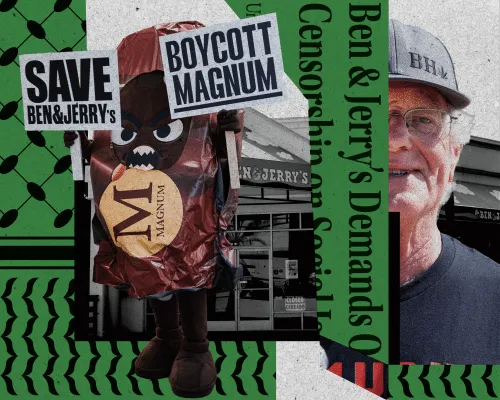 Ben & Jerry’s Founder Launches Campaign to Reclaim Brand Independence
Ben Cohen is leading an effort to free his ice-cream company from Unilever’s control amid concerns over activism silencing and brand values.
-
 HSBC Withdraws from Australian Retail Banking: Sale to Blackstone Announced
HSBC is exiting Australian retail banking by closing all 19 branches over 18 months after selling its mortgage portfolio to Blackstone.
-
 UK Defence Firms See Surge in Profits Amid Rising Global Military Spending
UK defence companies Rolls-Royce and BAE Systems have reported significant profit increases as global military spending rises. Both firms cited commitments from governments to boost their investments in defence systems.
-
 Financial Markets React to Global Economic Pressures
Global financial markets react to AI chip stock declines, BMW job cuts in Europe, UK worklessness trends, and surging oil prices due to geopolitical tensions.
-
 Inflation figures ease pressure on Reserve Bank, but rate rise likely later
Recent inflation figures have lowered expectations for an immediate interest rate hike by the Reserve Bank of Australia, though a rise is still anticipated later this year.


