- Houthi militias threaten ships carrying Saudi crude through Bab al-Mandeb, leading to a surge in oil prices.
- Global energy markets fear further price hikes as tensions escalate in the Middle East.
- Alternative routes increase costs for shipping companies and could exacerbate fuel shortages.
- Experts warn of potential impacts on global gas supplies and refined products.
Escalating Threats from Houthi MilitiasThe Bab al-Mandeb strait, a crucial route for oil exports in the Middle East, has become the latest battleground as Houthi militias escalate their threats against shipping. In a recent email to shipping companies, the Houthis warned of potential attacks on Saudi ports and any vessels passing through the strait, leading some tankers to turn back.
Impact on Oil PricesA fresh front in the Middle East crisis opened this week, bringing a return of soaring global energy markets. In a matter of days, the price of Brent crude jumped by over 13%, breaching the $100 per barrel mark on Thursday after Yemen’s Houthi militias took aim at a new target: Saudi oil exports via the Bab al-Mandeb strait.
This development comes as the tentative recovery of shipping through the Strait of Hormuz, which had helped oil prices to return to pre-crisis levels of $71 per barrel at the start of the month, grinds to a halt amid the breakdown of the US-Iran ceasefire. Any disruption at Bab al-Mandeb would threaten one of the few remaining routes for Gulf oil exports to circumvent the Hormuz blockade, said Jorge León, head of geopolitical analysis at Rystad Energy.
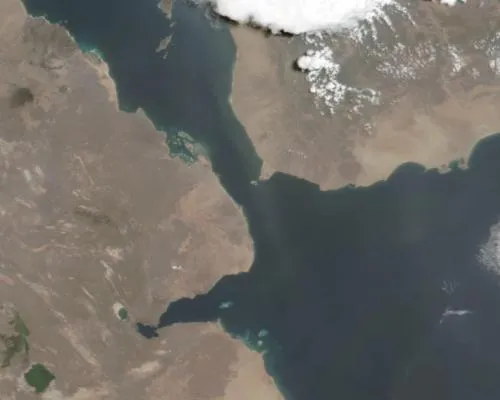
“If a ceasefire does not materialise and Hormuz remains largely closed while the Houthi threat to Red Sea shipping intensifies, the risk of a significant rebound in oil prices would be substantial,” he warned.
Increased Shipping Costs and Fuel ShortagesThe latest escalation began with the Houthis sending out an email on Monday warning shipping companies not to load and unload at Saudi ports or else face being targeted “in any location” within their reach. The Tehran-allied group, which controls Yemen’s capital and its north-western territory along the Bab al-Mandeb, reiterated this threat the following day.
The trade route through the southern entrance of the Red Sea carried about 4.1 million barrels of crude oil and refined petroleum products each current year, or roughly 5% of the global total compared to the 20% of global oil supplies that once transited the Strait of Hormuz. But in the months since the US-Israeli surprise strikes on Iran at the end of February, volumes through Bab al-Mandeb have surged as the channel has become a vital alternative export route for Saudi Arabia’s vast crude volumes.
Riyadh began to reroute oil via a pipeline from its Abqaiq processing plant, near the Gulf, to the Yanbu export terminal on its west coast, effectively channelling about 75% of its usual exports to the global market via the Red Sea. Rystad Energy vessel-tracking data indicates that approximately 2.5 million barrels a day of these Yanbu volumes are currently moving south through Bab al-Mandeb and on to customers in distant markets such as India and China.
Full avoidance of this waterway, through which a quarter of global container trade passes on its way to and from the Suez canal, requires rerouting around Africa via the Cape of Good Hope. That journey roughly doubles the voyage length and adds an estimated $2 million to $2.5 million in cost for each transit.
Wider Implications for Fuel SuppliesThe pressure on crude oil supplies in the global market is only part of the problem, according to the head of the International Energy Agency, Fatih Birol. “Many refineries have reduced their production of fuel products, including transport fuels such as diesel, to avoid the surging cost of crude,” he warned this week.
Although lower oil demand from refineries has helped to keep a lid on oil market prices, it has created even greater stress on global fuel supplies. Even as Gulf crude exports increased during the US-Iran ceasefire, the production of road fuels remained weak, Birol pointed out: “Refinery activity and product supplies have not picked up as much as crude deliveries, meaning that markets for refined oil products, including diesel and gasoline, are considerably tighter than those for crude.”
Goldman Sachs has said global supplies of diesel have been under pressure.
Source: The Guardian

Business Daily
305 posts
-
 Cựu CEO Techcombank Nguyễn Lê Quốc Anh làm Chủ tịch Eximbank, ngân hàng báo lãi giảm nửa
Eximbank bổ nhiệm cựu CEO Techcombank Nguyễn Lê Quốc Anh làm chủ tịch thay thế cho bà Phạm Thị Huyền Trang, đồng thời có dàn hội đồng quản trị mới đa phần là người nước ngoài. Ngân hàng báo lãi giảm nửa so với cùng kỳ năm
-
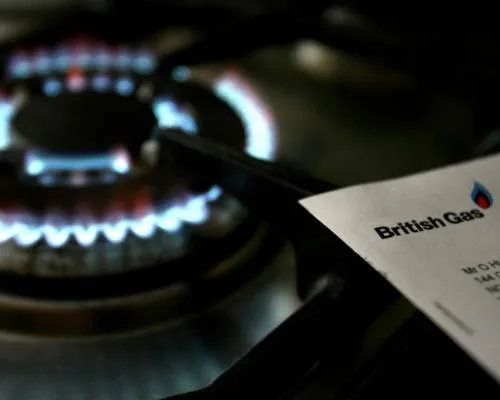 British Gas Owner Defends AI-Driven Job Cuts Amid Rising Profits
Centrica, owner of British Gas, plans to cut 1,300 call centre jobs as customers increasingly opt for digital channels. Despite job reductions, the company reports a rise in retail profits due to focus on higher-margin tariffs.
-
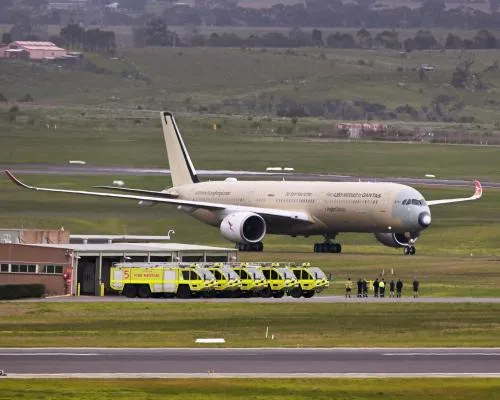 Qantas A350-1000ULR Completes Test Flight: First Nonstop Journey from France to Australia
Qantas's new A350-1000ULR completed a record-breaking test flight from France to Australia, attracting global attention and signaling progress toward their ambitious long-haul services.
-
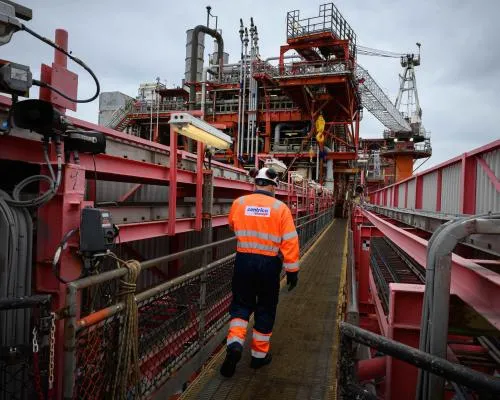 UK Energy Secretary Faces Urgent Task on Gas Storage
The UK faces urgent decisions on gas storage as Centrica warns of imminent closure unless supported by the government.
-
 UK Consumer Confidence Surges Amid Political and Economic Optimism
UK consumer confidence rose sharply in July, driven by political change and sporting success, but financial concerns remain.
-
 US Tariffs Spark Market Uncertainty Amid Rising Oil Prices
US tariffs on multiple countries have caused a drop in Asian stock markets, while rising oil prices due to geopolitical tensions add further economic uncertainty.
-
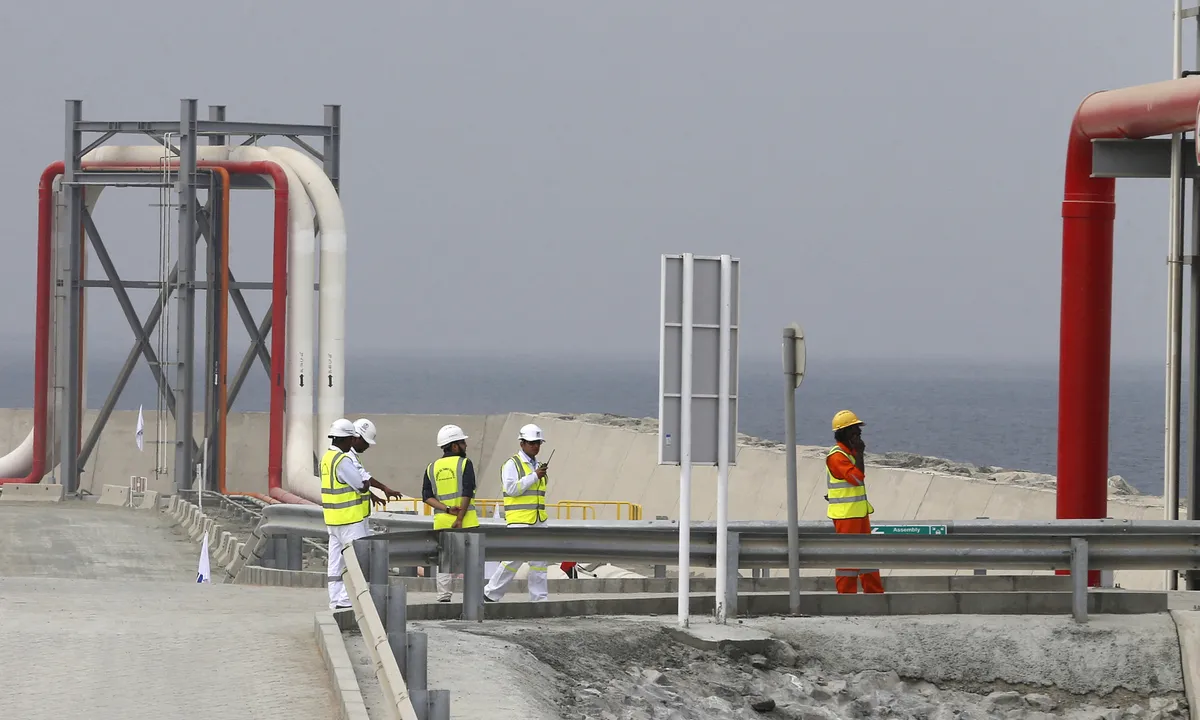 Vùng Vịnh chạy đua bơm tiền xây 7 đường ống dầu tránh eo biển Hormuz
Vùng Vịnh đang nhanh chóng xây dựng mạng lưới đường ống dầu trị giá hàng tỷ USD để giảm phụ thuộc vào eo biển Hormuz. Bài viết tóm tắt các dự án cụ thể của Abu Dhabi và Iraq, cũng như phân tích từ Goldman Sachs về triển vọ
-
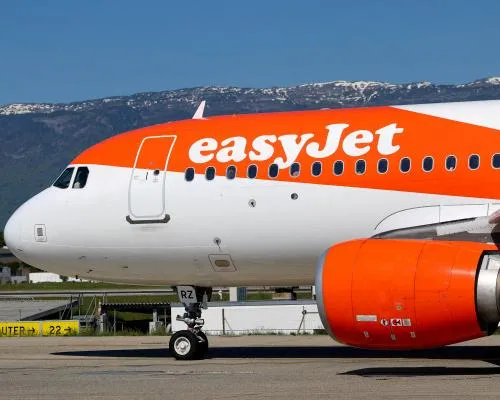 EasyJet Profit Slumps 70% Amid Fuel Cost Surge
EasyJet faced a significant drop in profits due to soaring fuel costs and last-minute bookings during the summer holiday season. Two US investment firms are currently vying for control.
-
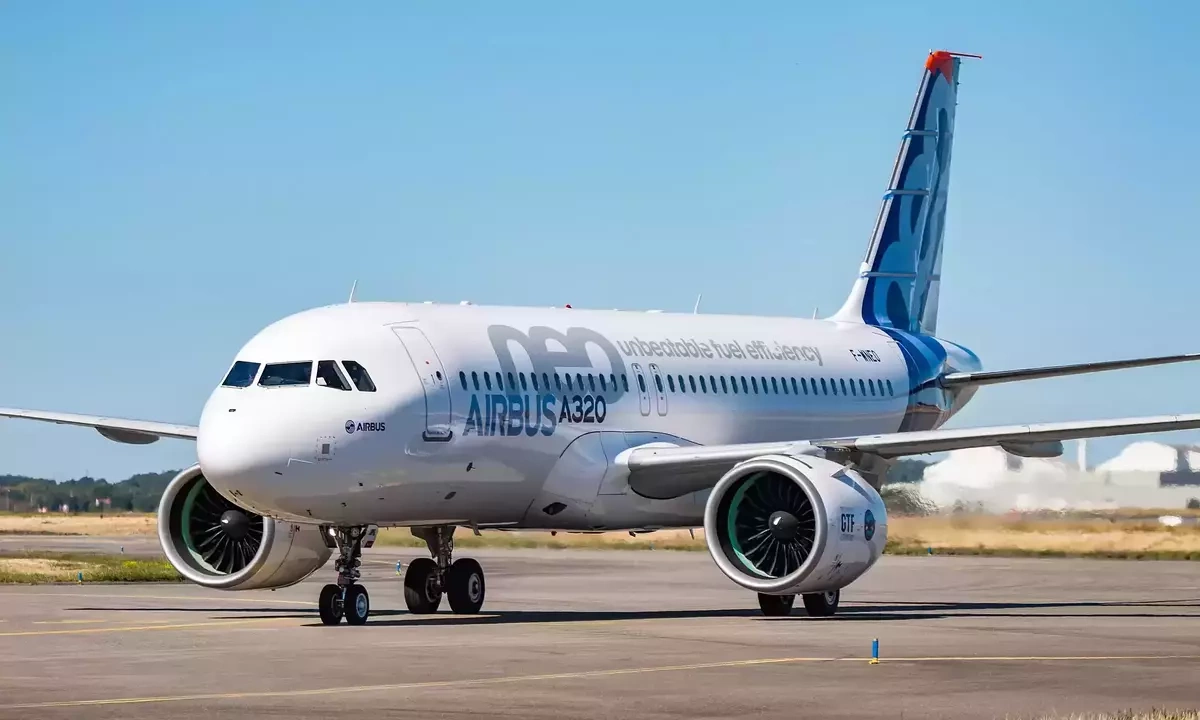 Airbus và Boeing rục rịch cho cuộc đua máy bay thân hẹp mới: 40 năm cạnh tranh, Ai cập bến?
Airbus và Boeing lên kế hoạch cho máy bay thân hẹp thế hệ mới, đánh dấu sự trở lại của cuộc chiến 40 năm giữa hai hãng hàng không lớn nhất thế giới. Bài viết tóm tắt quá trình phát triển và xu hướng cạnh tranh trong phân khúc
-
 PNJ giãn tiến độ thanh toán với khách bán vàng, bạc: 5 điểm chính
PNJ thay đổi phương thức thanh toán khi thu lại sản phẩm từ khách hàng, kéo dài đến 120 ngày. Khách có thể chọn đổi sang sản phẩm khác để nhận chiết khấu.


