Experts Warn of Potential Price Hikes for Infant Formula Due to Proteinmaxxing Trend

- Whey protein, a key ingredient in infant formula, has seen increased demand due to weight-loss medications and the rise of 'proteinmaxxing'.
- High whey protein prices could lead to higher infant formula costs, impacting affordability for families.
- Industry insiders suggest government intervention to prevent excessive profits and protect vulnerable consumers.
The trend of 'proteinmaxxing' – where consumers try to eat as much protein as possible for various health benefits – has driven up the demand for whey protein, a key ingredient in infant formula. The growing popularity of this trend is partly linked to the increasing use of GLP-1 weight-loss medications, which help users maintain muscle mass while losing weight.
The Surge in Whey Protein Prices
Whey protein concentrate 80 (with 80% pure protein) has seen significant price increases. According to data from Expana, a global market intelligence platform, the cost of this ingredient increased from €11,733 (£10,050) per metric tonne in July [specific date removed] to €25,875. This substantial rise in raw material costs is expected to translate into higher prices for infant formula.
Impact on Infant Formula Prices
The impact of rising whey protein prices has already been felt by consumers. Office for National Statistics data shows that the average price of baby formula increased by 4.8% over the past year, with a 750g box now costing £12.11 compared to £11.55 in the previous year. This trend is concerning as many families struggle to afford formula, especially during economic downturns like the cost-of-living crisis.
Industry Concerns and Proposed Solutions
Experts warn that higher costs of whey protein could soon be passed on to consumers through higher prices for infant formula. Dr Vicky Sibson, director of the First Steps Nutrition Trust, an independent UK public health nutrition charity, highlighted the risk of rising costs impacting vulnerable families who struggle with a 4.8% increase in baby formula prices.
Dr Sibson emphasized that a mandatory price or profit cap, as proposed by the Competition and Markets Authority (CMA), could be warranted given high profit margins of between 50% and 75%. She noted: “Companies should not be allowed to protect their margins at the expense of the wellbeing of mothers and babies.”
José Saiz, who covers the European dairy market at Expana, provided further context on how manufacturers are responding to rising ingredient costs. He explained that many producers have reformulated their products by increasing the use of D90 demineralised whey powder, an ingredient primarily used in infant formula. This shift has led to a sharp increase in demand for D90 as well.
Dr Sibson added: “Infant formula manufacturers report that current high whey protein prices are becoming economically unsustainable at existing retail price levels. Many believe further consumer price increases will eventually be necessary unless raw material costs ease.”
Industry Reformulation and Market Dynamics
The trend of reformulating products to use more D90 demineralised whey powder is a significant response to the rising prices. This ingredient helps manufacturers achieve the required whey-to-casein ratio while supplying both whey proteins and lactose, making it an economically viable alternative in many formulations.
Office for National Statistics data further highlights that infant formula prices have been increasing steadily over recent years, with a 750g box costing £12.11 compared to the previous year's price of £11.55. This trend is expected to continue unless raw material costs stabilize.
Conclusion
The rising cost of whey protein is poised to significantly impact infant formula prices, potentially putting a strain on already financially stressed families. Experts are calling for government intervention in the form of mandatory price or profit caps to protect the wellbeing of mothers and babies. Until raw material costs stabilize, consumers can expect further increases in the retail price of infant formula.
Source: The Guardian

Business Daily
327 posts
-
 Second Vacation Home Mortgage Windsor: Financing Your Home Away from Home
Owning a vacation property is a dream shared by many families. It offers a peaceful escape from daily life while creating opportunities for unforgettable vacations and long-term investment.
-
 UK Government Investments Faces Criticism After Sensitive Data Exposed
UK Government Investments experiences a data breach exposing sensitive information, leading to internal reviews and enhanced security measures.
-
 US Small Businesses Adjust to Less Impactful Tariffs
US small businesses are adapting to lower-impact tariffs announced by the Trump administration, finding them less disruptive compared to previous rounds.
-
 US Small Businesses See New Tariffs as Less of a Threat Than Before
Despite renewed tariff announcements from the Trump administration, US small businesses are adapting and viewing them as less impactful compared to previous rounds.
-
 US Small Businesses Remain Calm Amid New Tariff Rounds
US small businesses are showing resilience against new tariff rounds that have lower rates compared to previous announcements.
-
 Ben & Jerry’s Founder Launches Campaign to Reclaim Brand Independence
Ben Cohen is leading an effort to free his ice-cream company from Unilever’s control amid concerns over activism silencing and brand values.
-
 HSBC Withdraws from Australian Retail Banking: Sale to Blackstone Announced
HSBC is exiting Australian retail banking by closing all 19 branches over 18 months after selling its mortgage portfolio to Blackstone.
-
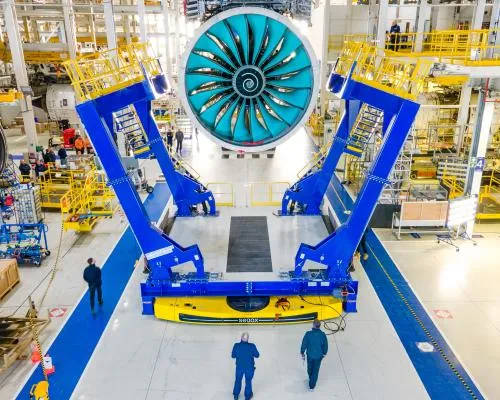 UK Defence Firms See Surge in Profits Amid Rising Global Military Spending
UK defence companies Rolls-Royce and BAE Systems have reported significant profit increases as global military spending rises. Both firms cited commitments from governments to boost their investments in defence systems.
-
 Financial Markets React to Global Economic Pressures
Global financial markets react to AI chip stock declines, BMW job cuts in Europe, UK worklessness trends, and surging oil prices due to geopolitical tensions.
-
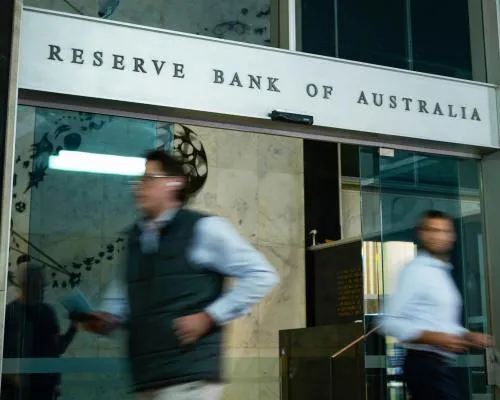 Inflation figures ease pressure on Reserve Bank, but rate rise likely later
Recent inflation figures have lowered expectations for an immediate interest rate hike by the Reserve Bank of Australia, though a rise is still anticipated later this year.


