Inflation figures ease pressure on Reserve Bank, but rate rise likely later

- The June inflation rate of 3.8% has reduced expectations for an interest rate hike in the near term.
- Petrol prices and electricity subsidies have significantly influenced recent inflation numbers.
- Consumer experience with rising costs like groceries and motor vehicles contradicts official lower overall inflation figures.
- Market forecasts suggest a rate rise is likely later, though not imminent.
Current Economic Climate
The latest inflation data for June, coming in at 3.8%, has dampened expectations of an interest rate increase in the near future. Despite this, investors were initially surprised by a quick rebound to a higher likelihood of a rise from 19% to 47%. This sharp swing reflects the volatility and unpredictability in financial markets, with market sentiment being heavily influenced by short-term economic indicators.
Investors’ initial surprise stemmed from the fact that despite the June inflation rate reducing any real prospect of a rate hike next month, they had assumed the Reserve Bank would prefer to raise rates rather than keep them unchanged. The linking of things to interest rates is not limited to inflation; it extends to broader economic indicators such as employment figures.
Key Factors Influencing Inflation
The reduction in petrol prices was the primary driver of lower inflation, with costs falling nearly 11% due to a decline in global oil prices following a resolution of tensions with Iran. This drop is expected to reverse in July, causing petrol prices to rise about 5%-6%, as indicated by current market trends.
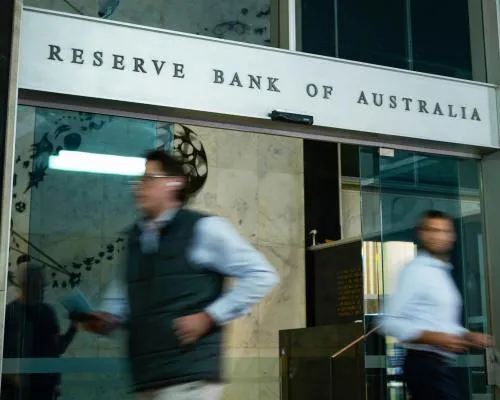
Another significant factor has been electricity price hikes, which are largely attributed to government subsidies from the previous year. These subsidies will exit the figures next month, likely leading to lower overall inflation. The impact of these subsidies on the June numbers was substantial, accounting for nearly 0.5% of the total inflation rate.
The cost of essential items such as lamb (15%), beef (12%), and tea and coffee (5.1%) has also contributed to consumer sentiment, making the overall inflation figures more tangible and affecting everyday living costs. These increases are more noticeable to consumers than broader economic indicators, highlighting a disconnect between official statistics and personal experiences.
Consumer Perception vs. Official Figures
A critical point is that while official inflation numbers show a decline, consumers may feel differently due to their personal experiences. For instance, significant increases in the cost of essential items such as lamb (15%), beef (12%), and tea and coffee (5.1%) are more tangible than broader economic indicators.
Additionally, rising home loan repayments are not included in inflation calculations but contribute to everyday living costs. According to market analysts, these factors have led to a growing cost-of-living crisis among Australians, with many feeling the pinch despite seemingly favorable inflation rates.
Reactions and Market Expectations
The June unemployment figures notionally showed unemployment had remained steady at 4.4%, but when you scrapped back some of the rounding, it actually rose from 3.37% to 3.43%. The underemployment rate also increased from 6.3% to 6.5%, meaning that the underutilisation rate – the total percentage of people in the labour force looking for a job or more hours – rose steeply from 10.7% to 10.9%.
This increase in unemployment and underemployment did not dissuade investors, who bet on higher chances of an interest rate rise. The likelihood of a rate rise had risen sharply from 19% to 47%, reflecting the complex interplay between employment numbers and market expectations.
Thankfully, as reality set in, the expectations fell sharply by Tuesday, currently estimated at only 3%. This shift reflects a more balanced view of economic indicators and their impact on interest rates. The market now sees no rate rise next month but remains wary about the prospect of one later in the year.
Conclusion
The inflation figures for June have provided valuable insights into the current state of Australia's economy, highlighting a growing cost-of-living crisis and the challenges faced by policymakers. While official statistics show a decline in inflation rates, personal experiences suggest that many Australians are feeling the pressure of rising prices. As the economy continues to evolve, it remains crucial for policymakers to address these issues to ensure sustainable growth and stability for all citizens.
Source: The Guardian
Business Daily
327 posts
-
 Second Vacation Home Mortgage Windsor: Financing Your Home Away from Home
Owning a vacation property is a dream shared by many families. It offers a peaceful escape from daily life while creating opportunities for unforgettable vacations and long-term investment.
-
 UK Government Investments Faces Criticism After Sensitive Data Exposed
UK Government Investments experiences a data breach exposing sensitive information, leading to internal reviews and enhanced security measures.
-
 US Small Businesses Adjust to Less Impactful Tariffs
US small businesses are adapting to lower-impact tariffs announced by the Trump administration, finding them less disruptive compared to previous rounds.
-
 US Small Businesses See New Tariffs as Less of a Threat Than Before
Despite renewed tariff announcements from the Trump administration, US small businesses are adapting and viewing them as less impactful compared to previous rounds.
-
 US Small Businesses Remain Calm Amid New Tariff Rounds
US small businesses are showing resilience against new tariff rounds that have lower rates compared to previous announcements.
-
 Experts Warn of Potential Price Hikes for Infant Formula Due to Proteinmaxxing Trend
The rising demand for whey protein due to 'proteinmaxxing' trends and weight-loss medications is likely to increase costs for infant formula, potentially impacting affordability. Experts urge government intervention.
-
 Ben & Jerry’s Founder Launches Campaign to Reclaim Brand Independence
Ben Cohen is leading an effort to free his ice-cream company from Unilever’s control amid concerns over activism silencing and brand values.
-
 HSBC Withdraws from Australian Retail Banking: Sale to Blackstone Announced
HSBC is exiting Australian retail banking by closing all 19 branches over 18 months after selling its mortgage portfolio to Blackstone.
-
 UK Defence Firms See Surge in Profits Amid Rising Global Military Spending
UK defence companies Rolls-Royce and BAE Systems have reported significant profit increases as global military spending rises. Both firms cited commitments from governments to boost their investments in defence systems.
-
 Financial Markets React to Global Economic Pressures
Global financial markets react to AI chip stock declines, BMW job cuts in Europe, UK worklessness trends, and surging oil prices due to geopolitical tensions.


