- Frequent lawsuits filed by serial litigants are burdening small businesses.
- Owners of newer storefronts feel unfairly targeted as compliance can be complex and costly.
- Disability advocates argue that such lawsuits are necessary to enforce the law.
Source: The Guardian


Business Daily
256 posts
-
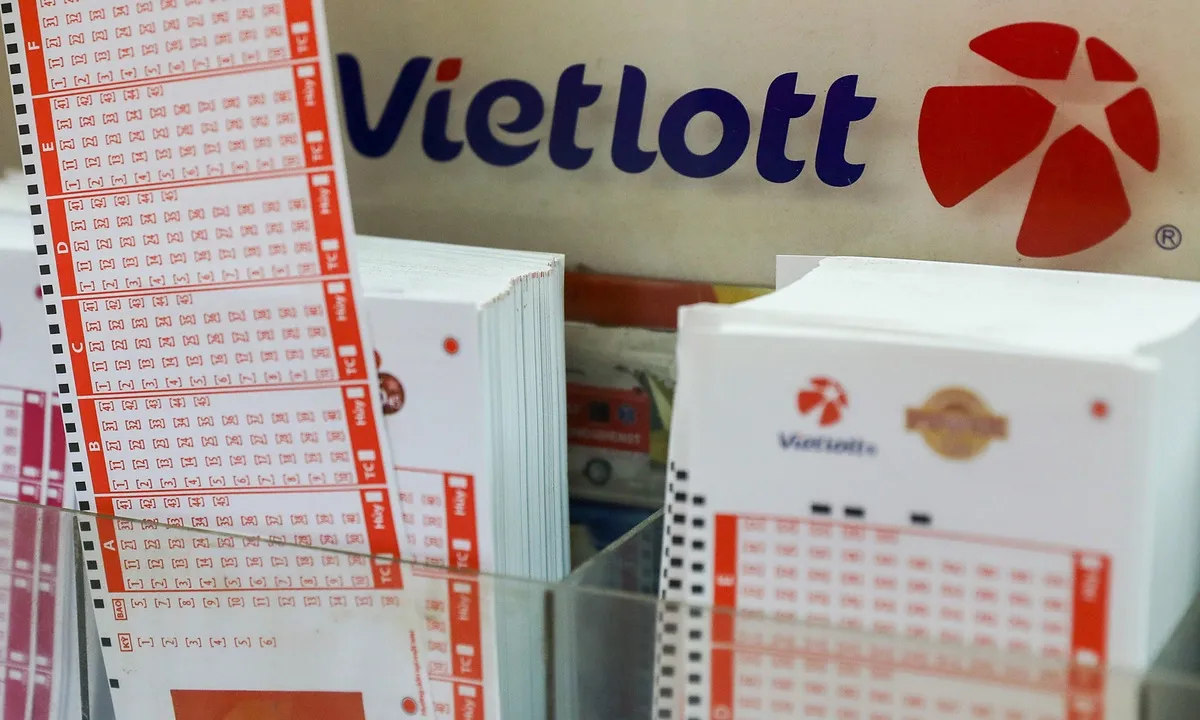 1 người trúng Jackpot hơn 100 tỷ đồng: Vietlott đặt kế hoạch doanh thu mới
Bài viết tổng hợp thông tin về kỳ mở thưởng mới nhất của Vietlott và kế hoạch kinh doanh năm nay.
-
 White House Project Aims to Empower New Generations
White House project aims to give future generations a stake in America's dream, with critics expressing concerns.
-
 Walmart tổ chức tour tham quan siêu thị cho fan World Cup: Kinh nghiệm mua sắm bất ngờ của du khách
Bài viết tổng hợp về chiến lược marketing thông minh của Walmart trong World Cup 2022, thu hút hàng triệu lượt xem từ du khách nước ngoài.
-
 England-Norway Match Expected to Boost UK Retail Sales by £385m
The World Cup quarter-final between England and Norway is set to significantly boost UK sales of pints, takeaways, and new TVs, generating over £500m for various sectors.
-
 World Cup Quarter-Final Looms as Big Win for UK Economy
As England plays Norway in a crucial World Cup quarter-final, various sectors of the UK economy are poised to benefit from increased sales and demand.
-
 Trả lương tới 50 triệu đồng vẫn khó tuyển tài xế container: Bức tranh nhân lực ngành logistics
Doanh nghiệp logistics phải cạnh tranh gay gắt để tuyển dụng tài xế container với mức lương lên tới 50 triệu đồng mỗi tháng, nhưng tình trạng thiếu nhân lực vẫn không cải thiện. Đây là một vấn đề lớn đối với ngành logisti
-
 ASA Warns of False Claims by Portable Air Conditioner Advertisements
The ASA has warned against false claims made by ads for portable air conditioners.
-
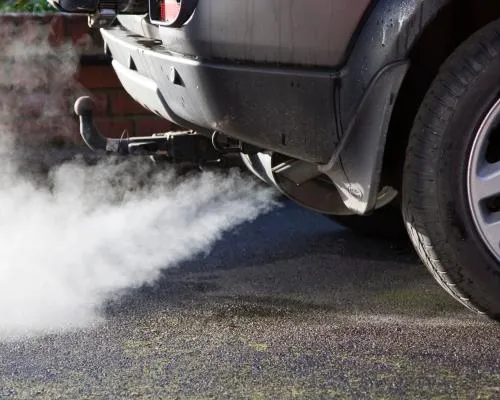 High Court Rejects Most ‘Dieselgate’ Claims, Rules in Favor of Car Manufacturers
A high court in the UK ruled against most claims brought by 1.6 million car owners regarding 'dieselgate,' leading manufacturers to express satisfaction but also considering appeals.
-
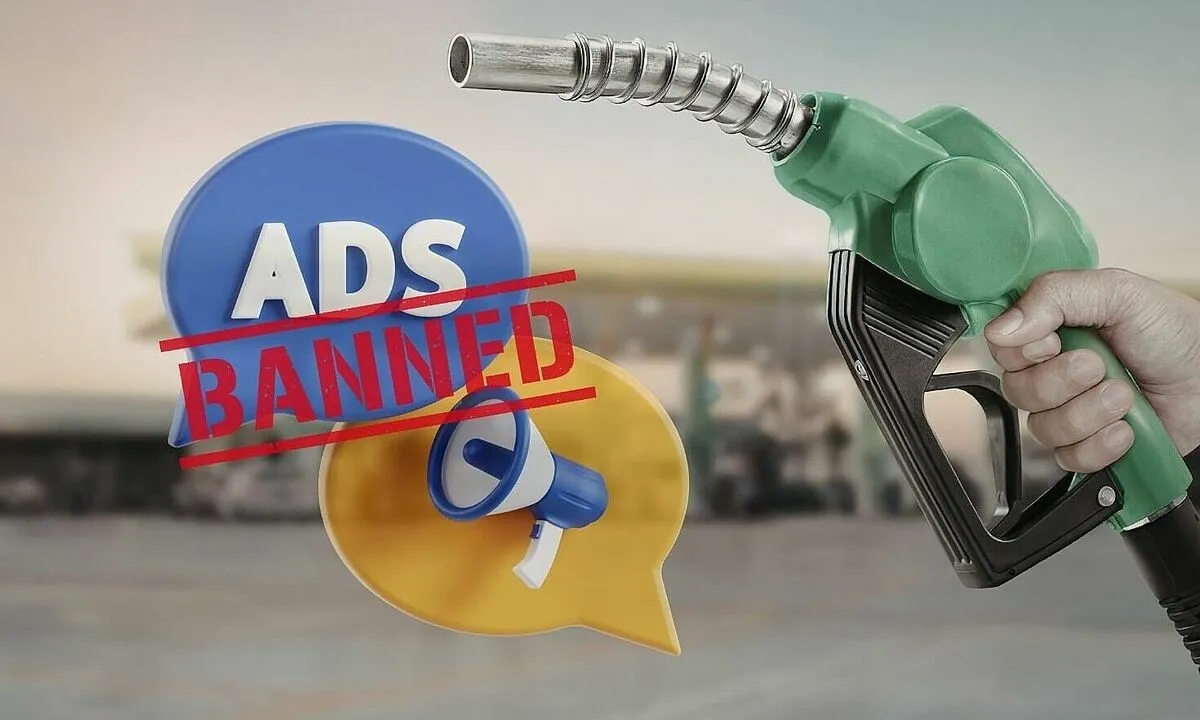 Pháp ban hành nghị định cấm quảng cáo nhiên liệu hóa thạch trong năm: Bước tiến mới hướng đến năng lượng sạch
Pháp ban hành nghị định mới nhằm cấm quảng cáo nhiên liệu hóa thạch nhập khẩu, tăng cường cam kết giảm phát thải và sử dụng năng lượng sạch. Tuy nhiên, các tổ chức môi trường vẫn mong muốn lệnh cấm phải nghiêm ngặt hơn
-
 Car Manufacturers Clear of Emissions Cheating Allegations
A High Court judge ruled major car firms did not install emissions cheating devices.


