- Nearly three-quarters of UK national newspaper articles on the 2026 June heatwave failed to mention climate change.
- Only a few percent of stories drew connections between the heatwave and government policies aimed at addressing climate issues.
- The analysis covered nearly 2,500 articles from nine major UK newspapers over a week-long period.
- Climate experts urge media outlets to improve public understanding by linking extreme weather events directly to the climate crisis.
Analysis of Media Coverage
A recent analysis of nearly 2,500 articles in the UK's main national newspapers during a significant June heatwave has revealed a concerning trend: approximately three-quarters of these reports failed to mention the climate crisis.
Lack of Climate Connection in Reporting
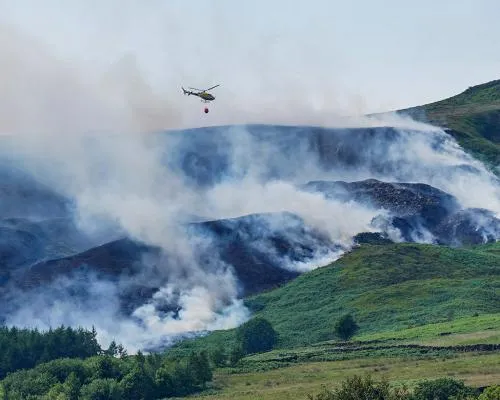
Among the nine major publications examined—such as The Financial Times, The Guardian, and The Sun—the majority of articles on extreme heat events did not draw any links between the weather patterns and the broader issue of global heating. For instance, out of 131 articles by The Guardian, only half made such a connection. Similarly, The Independent managed to link climate change to about 40% of its stories on heatwaves.
Differences Among Newspapers
While some newspapers performed better than others in terms of integrating the climate crisis into their coverage, none excelled. The Financial Times stood out with nearly two-thirds of its articles drawing a link to global heating. Conversely, The Sun and The Mirror lagged behind, with only 6% and 9% of their heatwave stories mentioning climate change, respectively.
Expert Reactions and Outcomes
Evidence from research by Imperial College London suggests that over 3,000 people died from overheating in the UK during May and June, with about one-third of those deaths attributable to additional heat due to the climate crisis. Climate scientists assert that human activities, particularly the burning of fossil fuels, have exacerbated these hot weather conditions.
Professor Ed Hawkins from the University of Reading emphasized the importance of media in explaining the climate crisis more effectively: “When extreme heatwaves occur, it is critical that the British public are made aware through the media that greenhouse gas emissions, primarily from burning fossil fuels, have contributed to making these heatwaves hotter than they would otherwise be.”
Additionally, The Guardian's spokesperson highlighted their commitment: “The Guardian leads in reporting on the link between extreme weather events and climate crisis. Our coverage presents global heating as an urgent, factual reality.” They further noted that the newspaper has been at the forefront of redefining terms and practices within journalism to emphasize the severity of the issue.
Source: The Guardian

Green News
270 posts
-
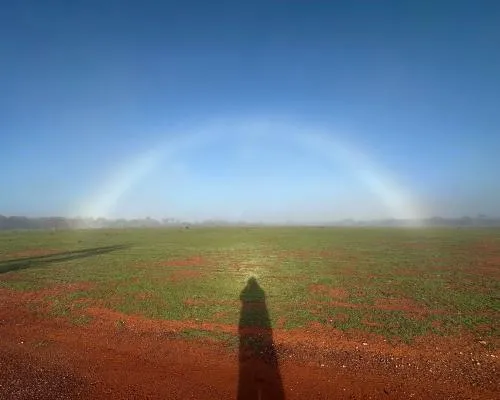 Rare Fogbows: A Meteorological Rarity in Australia
Fogbows are rare optical illusions seen in Australia during specific weather conditions. Learn about their formation and the factors required for them to appear.
-
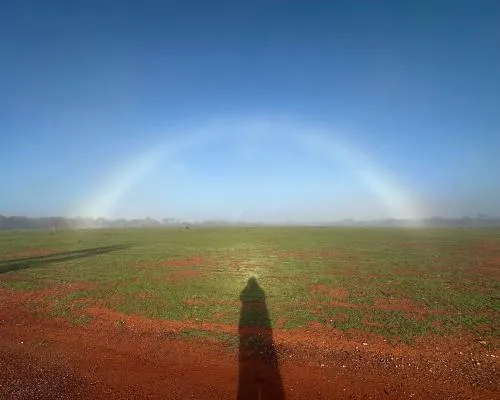 Mysterious Fogbows Emerge in Australia: A Rare Optical Illusion
Fogbows, rare atmospheric phenomena similar to rainbows but appearing in foggy conditions, have been observed in Australia. These fleeting illusions require precise alignment of sun and dense yet not too thick fog for visibility.
-
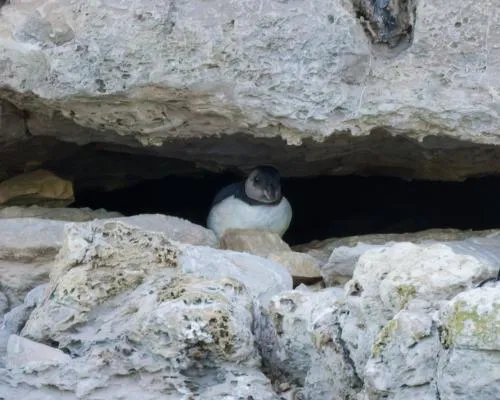 Rare Puffling Sighted After Three Decades on Dorset Coast
A rare puffling has been spotted on Dorset's coast after three decades, renewing hopes for the local puffin population.
-
 Water Leaks Outstrip Hosepipe Ban Savings in England and Wales
A new study reveals that water companies in England and Wales are losing five times more water through leaks than they could save with a hosepipe ban. Environmental campaigners warn of increasing droughts due to climate change.
-
 U.S. Voters Link Extreme Weather to Climate Crisis, Despite Trump’s Denials
A new survey reveals that the majority of American voters link extreme weather events, including heatwaves and floods, to the climate crisis. Despite Republican skepticism, the findings indicate growing public concern that surpasses political polarization on this issue.
-
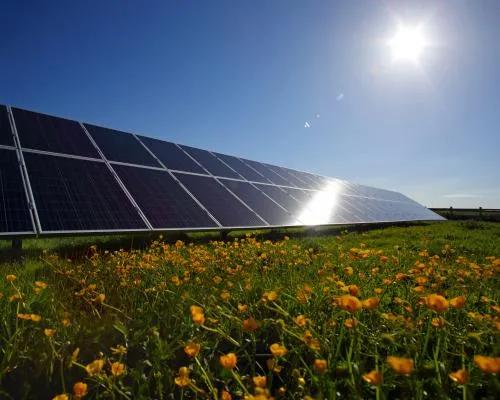 Carbon Capture as a Shield for Fossil Fuel Expansion Contested
An analysis of the arguments against using carbon capture as a shield for fossil fuel expansion, highlighting methane emissions and the superiority of renewable energy sources.
-
 UK Poultry Expansion Plan Met with Environmental and Food Security Concerns
Campaigners argue that the UK's proposed poultry growth plan could undermine national security due to its resource-intensive nature and reliance on imported feed.
-
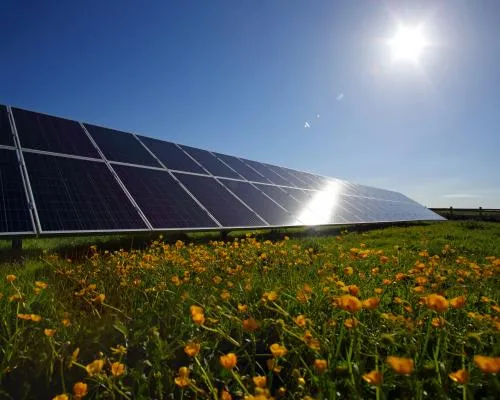 Critics Argue Carbon Capture Is a Deceptive Tool for Fossil Fuel Expansion
A letter in The Guardian discusses the high costs and limited effectiveness of carbon capture technologies compared to renewable energy sources, while critics argue these measures may merely serve as a cover for expanding fossil fuel industries.
-
 Topless Trends: The Scottish Custom of Taps Aff
Letters from readers discuss traditional Scottish practices like 'taps aff' and related debates on attire, prison conditions, and educational methods.
-
 Rare Sight: Red-Necked Phalarope Returns to Irish Marsh
A rare sighting of the red-necked phalarope, last seen breeding in Annagh Marsh for over 30 years, adds wonder and significance to a magical Irish coastal habitat.
-
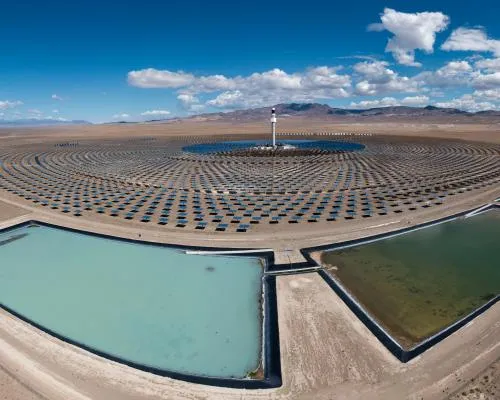 Innovative Energy Storage Solutions Revolutionize Clean Power
New battery technologies like cryobatteries, molten salt storage, sand batteries, and sweat-powered wearables are transforming the way we store and use renewable energy.


