- Fed votes 9-3 to keep interest rates steady
- Three dissenting members prefer a rate hike
- Inflation concerns overshadowed by geopolitical tensions
Divided Decision on Interest Rates
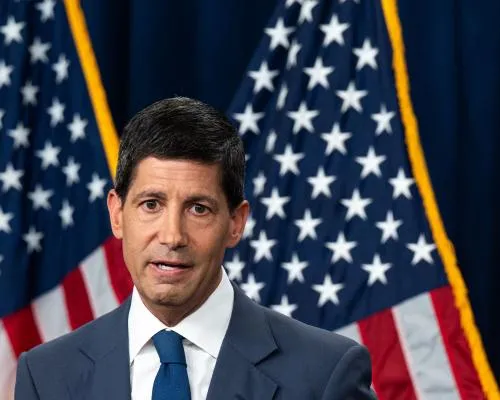
The Federal Reserve decided to hold interest rates steady for the fifth time since December, with a 9-3 vote. Three board members dissented, arguing that the rate should be increased by a quarter-percentage point.Warsh stressed the importance of a holistic approach in considering monetary policies, focusing on overall trends and not individual pieces of data. He also highlighted the formation of five new taskforces aimed at rethinking communication strategies, data approaches, balance sheet policy, inflation frameworks, and AI's impact on policy judgments.
Despite the Fed’s decision to keep rates unchanged, US President Donald Trump continued to advocate for rate cuts, suggesting that the US should have the 'lowest rates in the world.' However, Warsh defended his position, stating he would not use forward guidance as a primary tool and emphasized his commitment to achieving price stability.
Sources: The Guardian, Al Jazeera

Business Daily
327 posts
-
 Second Vacation Home Mortgage Windsor: Financing Your Home Away from Home
Owning a vacation property is a dream shared by many families. It offers a peaceful escape from daily life while creating opportunities for unforgettable vacations and long-term investment.
-
 UK Government Investments Faces Criticism After Sensitive Data Exposed
UK Government Investments experiences a data breach exposing sensitive information, leading to internal reviews and enhanced security measures.
-
 US Small Businesses Adjust to Less Impactful Tariffs
US small businesses are adapting to lower-impact tariffs announced by the Trump administration, finding them less disruptive compared to previous rounds.
-
 US Small Businesses See New Tariffs as Less of a Threat Than Before
Despite renewed tariff announcements from the Trump administration, US small businesses are adapting and viewing them as less impactful compared to previous rounds.
-
 US Small Businesses Remain Calm Amid New Tariff Rounds
US small businesses are showing resilience against new tariff rounds that have lower rates compared to previous announcements.
-
 Experts Warn of Potential Price Hikes for Infant Formula Due to Proteinmaxxing Trend
The rising demand for whey protein due to 'proteinmaxxing' trends and weight-loss medications is likely to increase costs for infant formula, potentially impacting affordability. Experts urge government intervention.
-
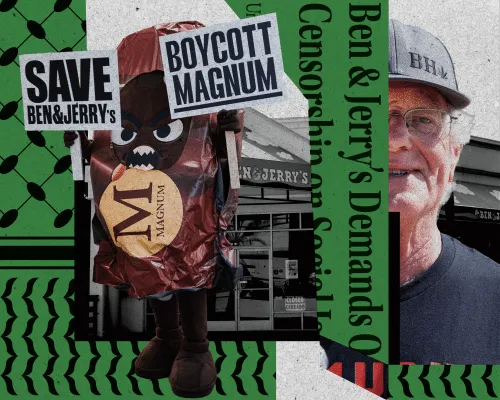 Ben & Jerry’s Founder Launches Campaign to Reclaim Brand Independence
Ben Cohen is leading an effort to free his ice-cream company from Unilever’s control amid concerns over activism silencing and brand values.
-
 HSBC Withdraws from Australian Retail Banking: Sale to Blackstone Announced
HSBC is exiting Australian retail banking by closing all 19 branches over 18 months after selling its mortgage portfolio to Blackstone.
-
 UK Defence Firms See Surge in Profits Amid Rising Global Military Spending
UK defence companies Rolls-Royce and BAE Systems have reported significant profit increases as global military spending rises. Both firms cited commitments from governments to boost their investments in defence systems.
-
 Financial Markets React to Global Economic Pressures
Global financial markets react to AI chip stock declines, BMW job cuts in Europe, UK worklessness trends, and surging oil prices due to geopolitical tensions.
-
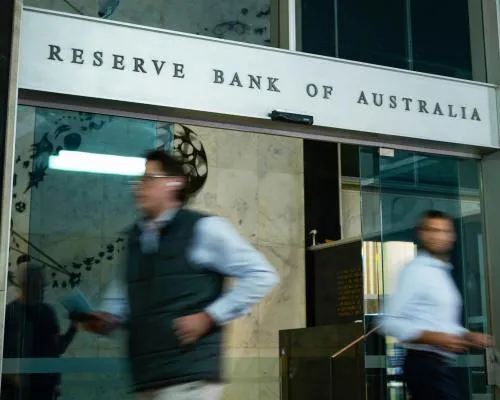 Inflation figures ease pressure on Reserve Bank, but rate rise likely later
Recent inflation figures have lowered expectations for an immediate interest rate hike by the Reserve Bank of Australia, though a rise is still anticipated later this year.


