Jodrell Bank Observatory: A Call to Save a Symbol of British Scientific Excellence

- Letters from readers express concern over potential closure of Jodrell Bank Observatory.
- The observatory is seen as an important symbol of Britain’s scientific prowess, attracting visitors and inspiring future generations.
- Critics argue that funding cuts would undermine Britain's position in global science and technology.
Letters from Concerned Citizens
The letters to The Guardian highlight the cultural and educational value of Jodrell Bank Observatory as a landmark in British scientific history, with Sir Bernard Lovell’s inspirational creation never ceasing to awe with its combination of cutting-edge space exploration and heroic engineering structure. Throughout his long life, Dr Ken Smith from Macclesfield, Cheshire, has seen this sense of wonder being passed on to future generations through visits to the observatory's welcoming visitor centre with his grandchildren. He writes that Jodrell Bank is more than just a museum; it is an active symbol of Britain’s scientific prowess, constantly probing the mysteries of the universe. Dr Smith urges Andy Burnham, an English graduate and current Member of Parliament for Leigh, to reverse the decision made by UK Research and Innovation, referencing poet Philip Larkin's fear for the possible future of the UK: “Our children will not know it is a different country./ All we can hope to leave them now is money.”
Importance of Scientific Investment
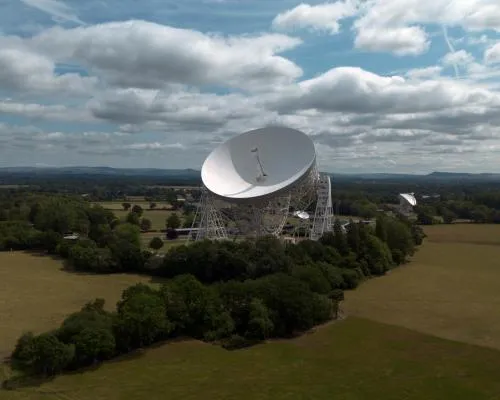
John Sommer Saltford from Somerset contends that reducing funding for scientific research institutions like Jodrell Bank is a misstep. He argues that maintaining such observatories is crucial not only for showcasing Britain's scientific capabilities but also for inspiring future scientists and engineers. The £2.8 million annual expenditure, he believes, represents a small cost compared to the potential benefits. In his letter, Saltford highlights the importance of preserving Jodrell Bank as one of the symbols of Britain’s scientific prowess. Generations in Britain and around the world have grown up seeing it as the backdrop to space travel and astronomical discoveries. He suggests that if the government wants to quietly cut spending on scientific research, reducing Jodrell Bank to a museum is not the best route.
Public Interest in Astronomy
Peter Baddeley from Painswick, Gloucestershire, shares his personal experience at the observatory and expresses disappointment over its possible closure. His letter serves as a reminder of the public's interest in and engagement with such scientific landmarks. He writes, “I’m dismayed at the news that Jodrell Bank Observatory is under threat. I enjoyed an enlightening day at the visitor centre recently, and was planning a return visit.” Baddeley urges funding bodies to reassess their priorities and ensure the observatory remains an active part of British scientific heritage.
Collective Underscoring the Importance
The letters collectively underscore the importance of preserving Jodrell Bank Observatory not only for its historical significance but also for its role in fostering curiosity and innovation among future generations. According to Saltford, one of the symbols of Britain’s scientific prowess is the big dish at Jodrell Bank. This observatory has been an integral part of British science and technology, attracting global attention and contributing significantly to the country's reputation as a world leader in these fields.
Source: The Guardian
Science Daily
158 posts
-
 AI-Designed Viruses Pave Way for New Therapies but Raise Biosecurity Concerns
Scientists create the first viruses designed by AI, opening new avenues for phage therapy but raising biosecurity concerns.
-
 AI-Designed Viruses Offer Hope for New Medicines but Raise Safety Concerns
Scientists have created the first viruses designed by artificial intelligence (AI), opening up new possibilities for phage therapy while raising critical biosafety concerns.
-
 E-Scooters Pose Greater Risk of Traumatic Injuries Compared to Motorcycles and Cycles
A study reveals e-scooter riders face a higher risk of traumatic injuries compared to motorcyclists and cyclists, with women particularly vulnerable and children also at significant risk.
-
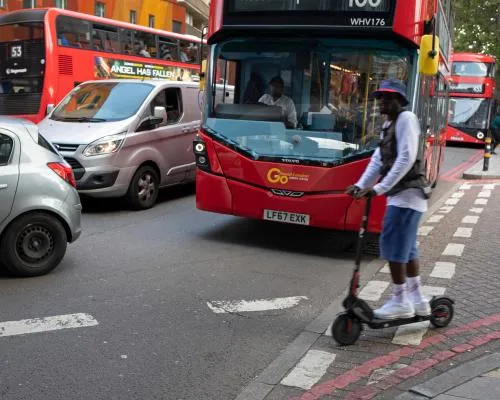 Electric Scooters Pose Higher Risk of Traumatic Brain Injuries
Electric scooters pose a higher risk of traumatic brain injuries compared to motorbikes, according to an analysis of accidents in England and Wales.
-
 User Experiences with GLP-1 Drugs: Share Your Stories
The Guardian invites readers to share personal experiences with GLP-1 drugs that did not work as expected, focusing on reasons and alternative treatments.
-
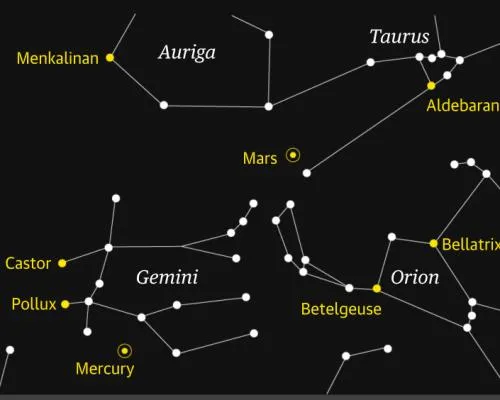 Morning Skywatch: Catch Mercury's Best Show of the Year
This week offers an exceptional opportunity to observe Mercury, which reaches its greatest western elongation on Sunday. Binoculars can aid in spotting the small planet, but caution must be exercised before sunrise.
-
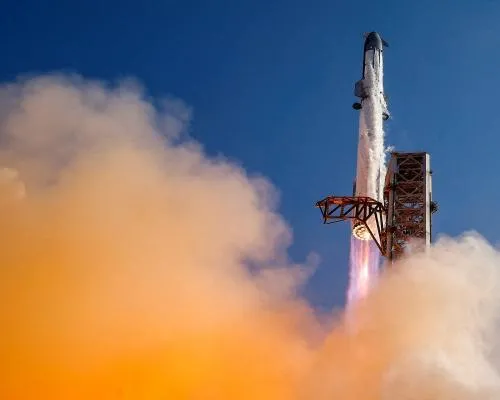 SpaceX Delivers Strong Revenue Growth but Faces Profitability Concerns
SpaceX reported a 92% increase in second-quarter revenue, but the company remains unprofitable and faces ongoing investor concerns.
-
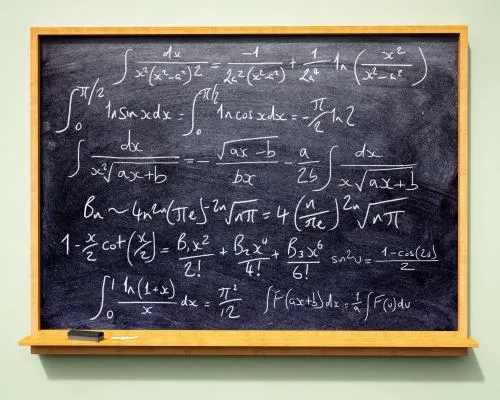 Mathematical Genius Alex Chui Solves Complex Puzzle
British student Alex Chui breaks records at the International Mathematical Olympiad with perfect scores and proposes a complex puzzle.
-
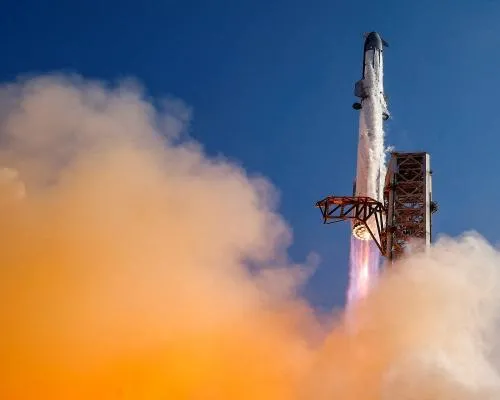 SpaceX Reports Strong Q2 Earnings Despite Stock Decline
SpaceX reported stronger-than-expected revenue but still faces significant challenges as its stock plummets post-IPO. Despite progress on key projects, investors remain uncertain about the company's long-term financial prospects.
-
 Revolutionary Telescope Unveils Sun's Mysteries in Never-Before-Seen Detail
New observations from the Inouye solar telescope provide unprecedented detail of the sun's surface, including swirling vortices that could explain coronal heating and solar flares.


