- Research indicates Mars once had extensive magma beneath its crust.
- This discovery suggests Mars may have been more habitable than previously thought.
- New findings could re-evaluate the potential for life on other rocky planets without plate tectonics.
Discovery of Extensive Magma Plumbing
A new study from researchers at the University of Oxford has revealed that Mars once had rivers of magma bubbling beneath its crust, suggesting a more complex and potentially habitable environment than previously understood. The research, based on seismic data collected by NASA’s Insight Lander, shows that molten rock may have pooled deep underground and stretched for hundreds of miles. This discovery, published in Nature Astronomy, provides insights into the geological processes that shaped Mars.
The surprise find makes it more probable that Mars could have supported life and widens the selection of rocky planets that may once have been habitable. Researchers at the University of Oxford studied data gathered by Nasa’s Insight Lander, which recorded seismic waves caused by meteorite impacts and Martian quakes. They used the seismic data to analyse a mysterious boundary 15 miles (24km) below the surface of Mars.
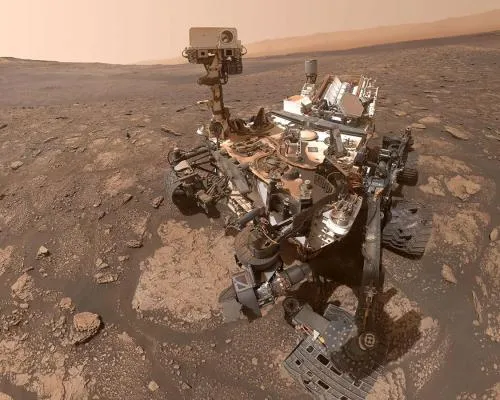
Their findings showed that the most likely cause for this boundary was molten rock pooling deep underground and stretching sideways for hundreds of miles. This extensive plumbing system challenges previous assumptions about the structure of Mars' interior, as scientists had previously assumed that the volcanoes on Mars were underlain by simple isolated magma chambers.
The discovery has significant implications for understanding Mars’ potential to support life. It implies that the planet might have had mechanisms to regulate climate and create a habitable environment without relying solely on plate tectonics. This finding could lead researchers to re-evaluate other rocky planets previously deemed uninhabitable due to their lack of such geological processes, such as the Moon.
The research opens up new avenues for exploration and understanding of Martian geology. It underscores the importance of comprehensive seismic studies in planetary science and the potential for hidden geological processes to shape a planet’s habitability. The findings could influence future missions aimed at uncovering evidence of past life on Mars, potentially guiding the design of instruments that can detect signs of ancient microbial life.
For example, upcoming missions such as the European Space Agency's ExoMars rover and NASA’s Mars Sample Return mission may need to incorporate more advanced seismic sensors to probe deeper into Martian subsurface. The data collected could provide crucial information about the planet's geological history and its potential for hosting past life.
Conclusion
In summary, the new findings not only challenge our understanding of Mars but also expand the possibilities for studying other planets in our solar system and beyond. As we continue to explore Mars and search for signs of ancient life, these insights into the planet's complex geological history will undoubtedly play a critical role in shaping future research directions and mission objectives.
Source: The Guardian

Science Daily
142 posts
-
 Royal Rajasthani Wedding Invitation Video
Elegant Rajputana Video Invites
-
 Vivino Clone Script: Launch Your Own Wine Discovery & Marketplace Platform
Vivino Clone by Miracuves is a comprehensive wine discovery and marketplace platform that connects wine enthusiasts, wineries, retailers, and distributors in one ecosystem. Users can scan wine labels, explore ratings and reviews, receive personalized recommendations, discover food pairings
-
 Vivino Clone Script: Launch Your Own Wine Discovery & Marketplace Platform
Vivino Clone Script: Launch Your Own Wine Discovery & Marketplace Platform
-
 Tinder Clone App Development: Build a Modern Dating Platform That Users Love
Launch your own dating platform with Miracuves' Tinder Clone. Offer swipe-based matching, real-time chat, profile verification, location-based discovery, and premium memberships. Build a scalable dating app with advanced monetization features, complete source code ownership, and a se
-
 Play-to-Earn Gaming: The New Era of Digital Income in Gaming Industry
The gaming industry is undergoing a significant transformation with the rise of the play-to-earn model, which is redefining how players interact with games and derive value from them.
-
 Top 10 Tips to Boost User Engagement on Your Uber Clone
Launch uber clone in your region for high revenue
-
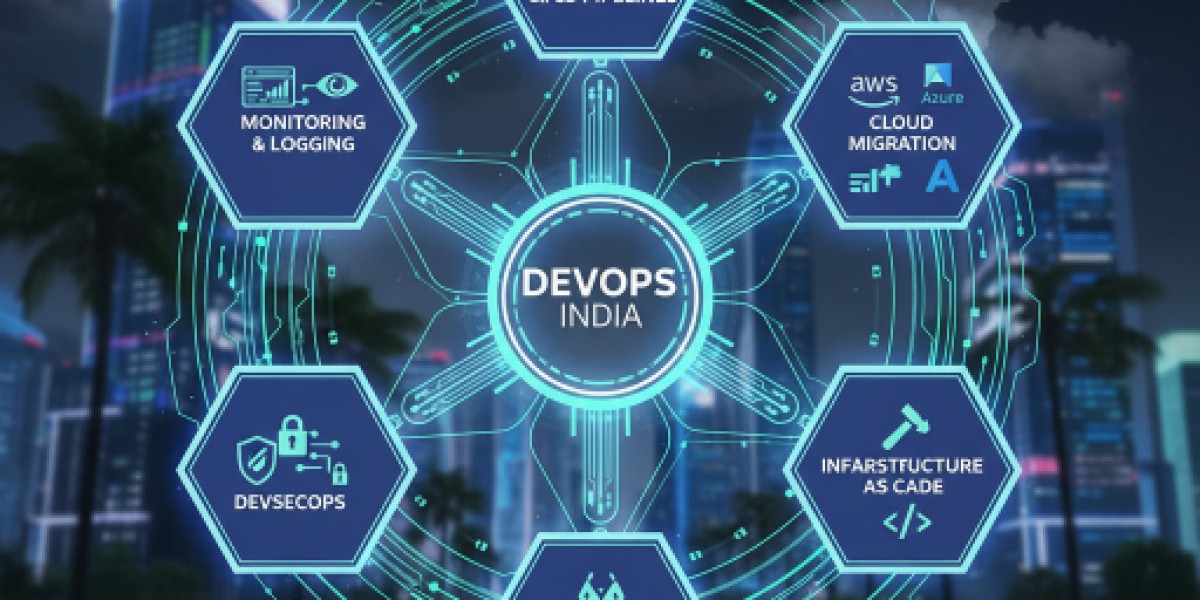 Cloud Adoption Strategies Guided by DevOps Consulting Companies in India
Leading DevOps consulting company in India offering CI/CD setup, cloud automation, infrastructure scaling, and secure deployment workflows for enterprises.
-
 How Do Indian Teams Manage Mobile App Projects Successfully?
Indian teams excel in managing mobile app projects successfully, and Devherds leverages skilled developers, agile methodologies, and clear communication to deliver high-quality, timely, and scalable app solutions.
-
 Key Services Offered by a Web Development Company in Chennai
We are a website development company in Chennai offering website development services that are fast, mobile-friendly, and built to grow your business online.
-
 No More Compromise Fits — Designer-Level Plus-Size Pants Under ₹3000
Discover Amydus's game-changing Plus Size Pants under ₹3000—no more fit compromises! From tummy shaper high-waist flares to cotton bell bottoms, embrace curves with designer-level style in sizes 2XL-9XL. Comfort, trends, and confidence await.
-
 Why Sitecore SaaS Is Transforming the Future of Sitecore Outsourcing
Discover how Sitecore SaaS and outsourcing redefine digital transformation with scalability, flexibility, and innovation.


