- High temperatures and low rainfall raise concerns about river levels and water quality.
- French nuclear power plants are facing restrictions due to warm river conditions.
- Wildfires in the Iberian peninsula are exacerbated by prolonged heat and dryness.
Impact of Heatwave on River Levels
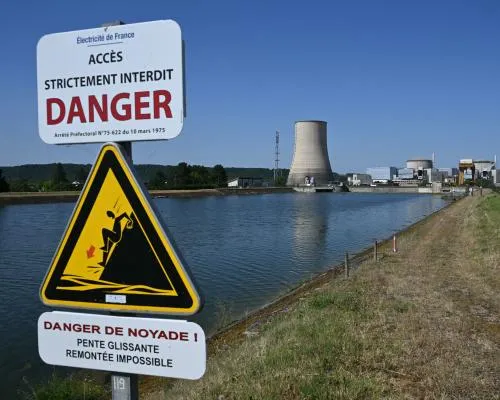
A combination of above-average temperatures combined with below average rainfall across much of western and central Europe during June and the first half of July has placed increasing pressure on rivers, ecosystems, and energy infrastructure. Persistent high-pressure systems brought prolonged sunshine, suppressed rainfall, and enhanced evaporation, causing river levels to fall and water temperatures to increase. These unusually warm rivers are affecting electricity generation in France, as several nuclear power stations rely on river water for cooling.
Under French environmental regulations, operators must limit the amount of heat discharged back into rivers, meaning electricity output may need to be reduced when water temperatures become too high. Earlier this month, EDF temporarily shut down a reactor at the Golfech nuclear power station after the Garonne River approached its environmental discharge threshold, while production restrictions are expected at the Nogent nuclear power station from 14 July if the river reaches its forecast temperature. The prolonged heat has also increased electricity demand as air conditioning use has risen in urban areas.
Effects on Electricity Generation
The prolonged heatwave in France is not only affecting power generation but also increasing electricity demand due to higher usage of air conditioning, particularly in urban areas where population density is high. The national grid company, RTE, reported that the country's electricity consumption reached record highs during the heatwave, peaking at 37 gigawatts on a single day.
Similar issues are also being faced across Spain and Portugal, with increased demand leading to higher prices for consumers. In Madrid alone, the city government has issued advisories urging residents to reduce energy use during peak hours to avoid blackouts. The situation is further compounded by the fact that these countries have a higher proportion of renewable energy sources in their mix, making it more challenging to balance supply and demand.
Outlook for Europe
While temperatures are expected to ease slightly in some areas over the coming days, weather models indicate warmer-than-average conditions will persist across much of southern Europe. Vegetation remains dry, so the wildfire risk is likely to remain high. Rivers are projected to continue experiencing unusually warm conditions, further impacting water availability and energy production.
In Portugal, for instance, the national forest authority has issued an orange warning for wildfires in several regions, citing prolonged heat as a key factor. In Spain, the situation is even more severe, with the Almería province having experienced one of the largest fires in recent years. The fire was so intense that it prompted evacuations and extensive firefighting efforts.
Impact of Typhoon Bavi
In Asia, Typhoon Bavi has weakened to a severe tropical storm after making two landfalls along China’s eastern coast. Despite this, it continues to pose a significant flooding threat as it moves inland. Before reaching China, Bavi rapidly intensified over exceptionally warm waters in the western Pacific, attaining Category 5 strength and becoming one of the strongest tropical cyclones of the 2026 north-west Pacific season. More than 2 million residents were evacuated before the storm reached China, while hundreds of flights, rail services, and ferry operations were suspended. Earlier in its track, Bavi brushed the northern tip of Taiwan and passed through Japan’s Sakishima Islands, bringing damaging winds, torrential rainfall, and widespread transport disruption. Though the wind strength has eased since landfall, the storm contains a vast reservoir of tropical moisture, with its slow inland progression expected to prolong heavy rainfall across eastern China during the coming week, increasing the risk of flash flooding, river flooding, and landslides.
Source: The Guardian

Green News
270 posts
-
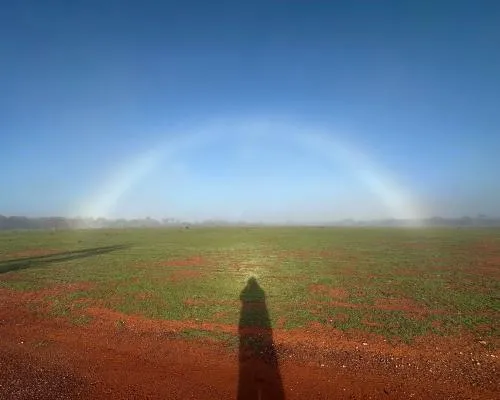 Rare Fogbows: A Meteorological Rarity in Australia
Fogbows are rare optical illusions seen in Australia during specific weather conditions. Learn about their formation and the factors required for them to appear.
-
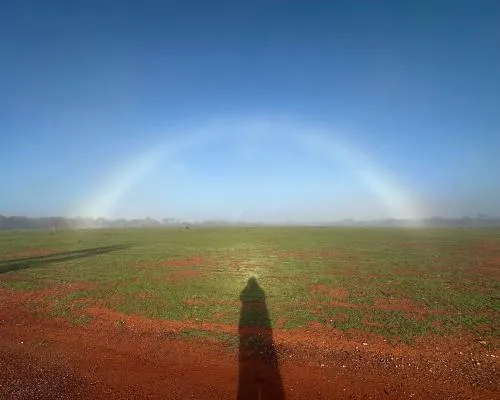 Mysterious Fogbows Emerge in Australia: A Rare Optical Illusion
Fogbows, rare atmospheric phenomena similar to rainbows but appearing in foggy conditions, have been observed in Australia. These fleeting illusions require precise alignment of sun and dense yet not too thick fog for visibility.
-
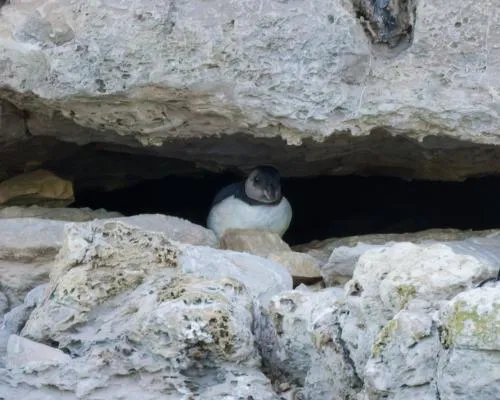 Rare Puffling Sighted After Three Decades on Dorset Coast
A rare puffling has been spotted on Dorset's coast after three decades, renewing hopes for the local puffin population.
-
 Water Leaks Outstrip Hosepipe Ban Savings in England and Wales
A new study reveals that water companies in England and Wales are losing five times more water through leaks than they could save with a hosepipe ban. Environmental campaigners warn of increasing droughts due to climate change.
-
 U.S. Voters Link Extreme Weather to Climate Crisis, Despite Trump’s Denials
A new survey reveals that the majority of American voters link extreme weather events, including heatwaves and floods, to the climate crisis. Despite Republican skepticism, the findings indicate growing public concern that surpasses political polarization on this issue.
-
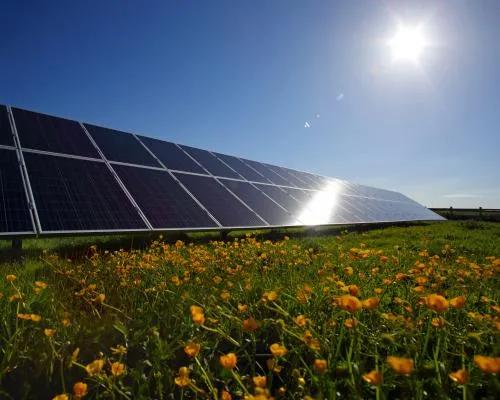 Carbon Capture as a Shield for Fossil Fuel Expansion Contested
An analysis of the arguments against using carbon capture as a shield for fossil fuel expansion, highlighting methane emissions and the superiority of renewable energy sources.
-
 UK Poultry Expansion Plan Met with Environmental and Food Security Concerns
Campaigners argue that the UK's proposed poultry growth plan could undermine national security due to its resource-intensive nature and reliance on imported feed.
-
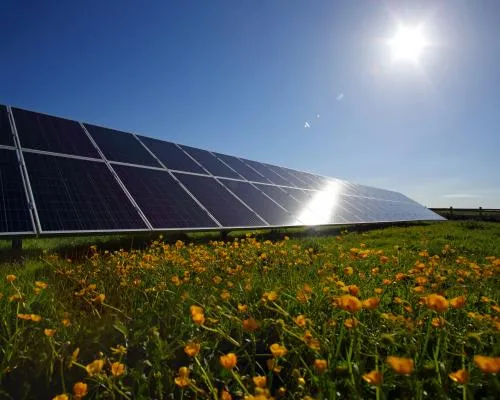 Critics Argue Carbon Capture Is a Deceptive Tool for Fossil Fuel Expansion
A letter in The Guardian discusses the high costs and limited effectiveness of carbon capture technologies compared to renewable energy sources, while critics argue these measures may merely serve as a cover for expanding fossil fuel industries.
-
 Topless Trends: The Scottish Custom of Taps Aff
Letters from readers discuss traditional Scottish practices like 'taps aff' and related debates on attire, prison conditions, and educational methods.
-
 Rare Sight: Red-Necked Phalarope Returns to Irish Marsh
A rare sighting of the red-necked phalarope, last seen breeding in Annagh Marsh for over 30 years, adds wonder and significance to a magical Irish coastal habitat.
-
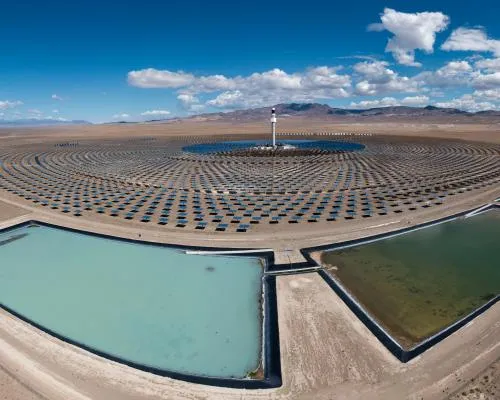 Innovative Energy Storage Solutions Revolutionize Clean Power
New battery technologies like cryobatteries, molten salt storage, sand batteries, and sweat-powered wearables are transforming the way we store and use renewable energy.


