- The Royal Netherlands Navy is leading efforts in uncrewed systems, aiming to keep personnel out of dangerous areas.
- Tests include drones and underwater vehicles, with plans for autonomous operation within 10 years.
- Ethical concerns around decision-making processes are being carefully considered.
Introduction: Testing Unmanned Systems
The Royal Netherlands Navy is currently conducting a five-week mission off the coast of Den Helder to test unmanned systems, including drones and underwater vehicles. Captain Sjoerd Feenstra, head of the expertise centre for unmanned systems, explains that this initiative aims to transform naval operations by reducing the need for human presence in dangerous zones.
Future Outlook: A Crewless Navy
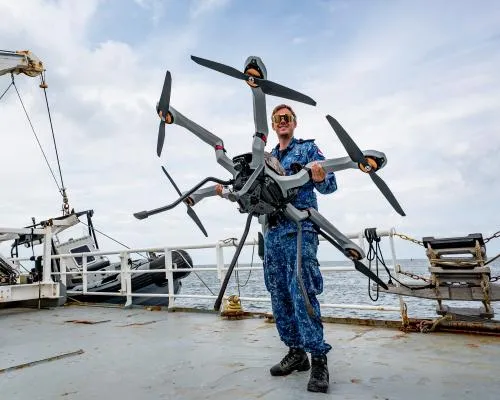
According to Feenstra, within about 10 years, crewed platforms will be surrounded by autonomous uncrewed systems. This move is driven by the Dutch military budget, which promises to allocate more than half of its work towards such technology over five years. The Netherlands is not alone; other nations like the UK are also investing heavily in similar technologies.
Technological Integration: The GeoSea Vessel
The GeoSea vessel serves as a hub for testing various uncrewed systems, including Noa drones that resemble giant flies and Defender vessels. These systems can be easily swapped out as technology evolves, making the Dutch Navy’s approach adaptable to future advancements.
Ethical Considerations: Decision-Making in Automation
While the shift towards automation is driven by practical concerns such as reducing risks for personnel, ethical considerations remain paramount. Captain Feenstra notes that even autonomous systems like the Goalkeeper air defence system require human oversight. Artificial intelligence can occasionally generate false results, emphasizing the need to integrate technology thoughtfully.
Global Inspiration: The Dutch Approach
The Dutch navy’s efforts are inspiring other countries, particularly those in the North and Baltic seas, which share similar security concerns. Lee Willett, a naval analyst, highlights that the Netherlands is at the forefront of this technological revolution due to its strategic importance in an increasingly tense geopolitical environment.
Conclusion: A Shift in Naval Operations
The adoption of uncrewed systems by the Royal Netherlands Navy signals a significant shift in how navies operate globally. This move not only aims to enhance operational efficiency but also address long-term issues such as manpower shortages and improve quality of life for service personnel. As technology continues to advance, ethical considerations will remain crucial in ensuring responsible implementation.
Source: The Guardian

Green News
270 posts
-
 Rare Fogbows: A Meteorological Rarity in Australia
Fogbows are rare optical illusions seen in Australia during specific weather conditions. Learn about their formation and the factors required for them to appear.
-
 Mysterious Fogbows Emerge in Australia: A Rare Optical Illusion
Fogbows, rare atmospheric phenomena similar to rainbows but appearing in foggy conditions, have been observed in Australia. These fleeting illusions require precise alignment of sun and dense yet not too thick fog for visibility.
-
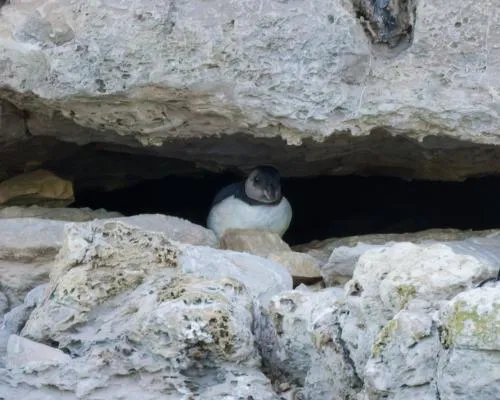 Rare Puffling Sighted After Three Decades on Dorset Coast
A rare puffling has been spotted on Dorset's coast after three decades, renewing hopes for the local puffin population.
-
 Water Leaks Outstrip Hosepipe Ban Savings in England and Wales
A new study reveals that water companies in England and Wales are losing five times more water through leaks than they could save with a hosepipe ban. Environmental campaigners warn of increasing droughts due to climate change.
-
 U.S. Voters Link Extreme Weather to Climate Crisis, Despite Trump’s Denials
A new survey reveals that the majority of American voters link extreme weather events, including heatwaves and floods, to the climate crisis. Despite Republican skepticism, the findings indicate growing public concern that surpasses political polarization on this issue.
-
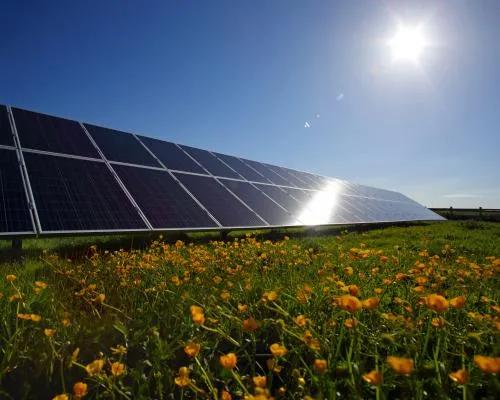 Carbon Capture as a Shield for Fossil Fuel Expansion Contested
An analysis of the arguments against using carbon capture as a shield for fossil fuel expansion, highlighting methane emissions and the superiority of renewable energy sources.
-
 UK Poultry Expansion Plan Met with Environmental and Food Security Concerns
Campaigners argue that the UK's proposed poultry growth plan could undermine national security due to its resource-intensive nature and reliance on imported feed.
-
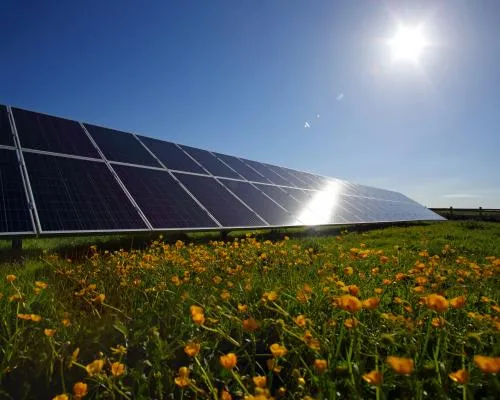 Critics Argue Carbon Capture Is a Deceptive Tool for Fossil Fuel Expansion
A letter in The Guardian discusses the high costs and limited effectiveness of carbon capture technologies compared to renewable energy sources, while critics argue these measures may merely serve as a cover for expanding fossil fuel industries.
-
 Topless Trends: The Scottish Custom of Taps Aff
Letters from readers discuss traditional Scottish practices like 'taps aff' and related debates on attire, prison conditions, and educational methods.
-
 Rare Sight: Red-Necked Phalarope Returns to Irish Marsh
A rare sighting of the red-necked phalarope, last seen breeding in Annagh Marsh for over 30 years, adds wonder and significance to a magical Irish coastal habitat.
-
 Innovative Energy Storage Solutions Revolutionize Clean Power
New battery technologies like cryobatteries, molten salt storage, sand batteries, and sweat-powered wearables are transforming the way we store and use renewable energy.


