- Share prices of AstraZeneca dropped sharply after reports of potential takeover talks with Bristol Myers Squibb.
- A lack of enthusiasm from shareholders, and the focus on long-term success under CEO Sir Pascal Soriot, likely influenced the decision against pursuing the deal.
- The possibility that AI is changing the pharmaceutical landscape may have played a role in the company's strategic thinking.
Market Reaction to Rumored Takeover
The share price of AstraZeneca experienced a significant decline after reports emerged about preliminary talks with Bristol Myers Squibb (BMS) for a potential takeover. This sudden drop in value reflects the uncertainty and potential risks associated with such large-scale acquisitions.
Reasons for Non-Deal
- Sir Pascal Soriot, AstraZeneca's CEO, has been steering the company towards long-term success through focused research and development rather than pursuing aggressive mergers and acquisitions. This strategy seems to have contributed to the decision against proceeding with a deal with BMS.
- BMS faces significant revenue challenges due to a key cancer treatment going off-patent in the near future. Specifically, this drug is expected to lose its patent protection by 2025, significantly impacting BMS's financial performance.
Potential Implications for Future Strategy
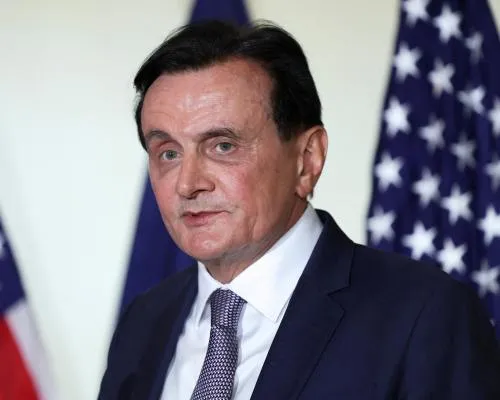
The potential involvement of AI in transforming the pharmaceutical industry could also be influencing Soriot's strategic decisions. The lack of clear communication from AstraZeneca about its future direction leaves many shareholders questioning whether they are invested in a company that prioritizes long-term innovation or is open to mega-deals.
Despite these concerns, some argue that the potential for cost savings and market dominance through such a merger could still be attractive. However, Soriot's consistent message of focusing on internal growth suggests otherwise. For instance, AstraZeneca has been investing heavily in its research labs and innovative drug development programs.
Additionally, Soriot has emphasized the company's commitment to achieving a revenue target of $80 billion by 2030. This long-term vision aligns with AstraZeneca's strategy of investing in its own research and development efforts rather than relying on large-scale acquisitions.
Market Reaction and Shareholder Concerns
The announcement that there are no ongoing discussions between AstraZeneca and Bristol Myers Squibb has led to a mini-relief rally in AstraZeneca’s share price. This reaction underscores the market's sensitivity to such news, as it directly impacts investor confidence.
However, shareholders remain concerned about the lack of clarity regarding AstraZeneca’s future plans and strategic direction. Sir Pascal Soriot has been a vocal advocate for maintaining focus on long-term innovation, but some shareholders are questioning whether this strategy is still the best path forward in an era where AI could transform the industry.
One of the major worries among investors is that the pull of the US market might be dominating strategic thinking as Soriot, at 67 years old, enters his final years (probably) at the helm. This concern is compounded by the fact that AstraZeneca has traditionally shied away from mega-deals and instead focused on organic growth through internal innovation.
Conclusion
The non-deal between AstraZeneca and Bristol Myers Squibb raises important questions about the company's strategic direction and its commitment to long-term innovation. While it is unclear if there were any preliminary talks, Soriot's focus on internal growth suggests that such a deal was not in the works.
Source: The Guardian

Business Daily
335 posts
-
 What is cosplay?
Cosplay is a crafting hobbyist's paradise, wherein dress complexity and extremely good is excellent constrained thru a person’s creativity! Spiderman Suit
Welcome to CCosplay.com. Cosplay Costume New styles added on a weekly basis. All our products are at very competitiv -
 Some characters are non-human
Some characters are non-human, some are androgynous. Bishounen (beautiful young male) characters may be performed via women, while men can play girl characters.


