Key points:
  • AstraZeneca reportedly abandoned talks with Bristol Myers Squibb for a potential $400 billion merger.
  • Share prices of AstraZeneca dropped after initial reports suggested ongoing discussions.
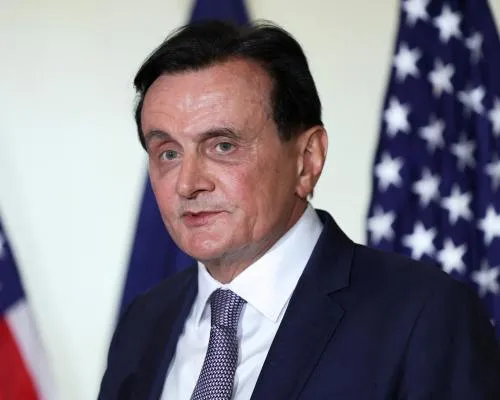
  • Pascal Soriot, CEO of AstraZeneca, has not provided details on the rationale behind this non-deal.
Market Reaction and Shareholder ConcernsAstraZeneca's shares experienced a significant dip following initial reports suggesting that the company was in talks with Bristol Myers Squibb (BMS) for a potential mega-merger. On Monday, the firm’s share price fell by 9%, reflecting investor concerns over the sudden change in strategy. This drop came on the heels of the Financial Times reporting preliminary discussions between the two companies.Strategic Focus and Shareholder ExpectationsAstraZeneca has traditionally focused on long-term innovation rather than debt-fuelled mergers under the leadership of CEO Sir Pascal Soriot. This approach is seen as responsible for the company’s success, with Soriot aiming to reach a revenue target of $80 billion by 2030. Since Soriot took over, AstraZeneca has thrived through investing heavily in its research and development capabilities while maintaining a disciplined financial strategy that avoids large-scale acquisitions.Possible Rationale and Transparency NeedsThe decision not to proceed with the deal raises questions among analysts. For instance, there might have been strategic reasons behind Soriot's choice, such as concerns over BMS’s financial position or a focus on US market expansion. However, shareholders remain uncertain and are calling for greater transparency from Soriot regarding AstraZeneca's long-term strategy.Analysts point out that the deal – or non-deal – looked peculiar for several reasons. AZ has prospered under Sir Pascal Soriot’s leadership by concentrating on backing its best ideas in the labs, focusing on long-term success over short-term cost-cutting through debt-fuelled takeover games. Since Soriot proclaims absolute confidence in hitting AstraZeneca's revenue target of $80 billion in 2030, there is no obvious reason to divert from this winning strategy. Additionally, given BMS’s looming revenue headache as a blockbuster cancer treatment goes off patent, the potential deal seemed less appealing.There are possible counter-arguments, naturally. Both companies are very big in oncology, so there could have been an opportunity to establish multi-year dominance in this core pharma field if competition regulators could be persuaded. Maybe the crossover meant potential cost savings would have been bigger or easier to achieve than is normally the case. Perhaps Soriot spotted potential in BMS’s drugs pipeline, offering opportunities for innovation and growth.Another possibility is that Soriot might be considering accelerating his ambition for AstraZeneca to generate half its revenues in the US, the world's biggest and most lucrative market for pharma firms; the current share is 43%. However, given Soriot’s age (67) and the fact that he is entering his final years at the helm, it raises questions about whether this deal aligns with the company's long-term strategic goals.The case of Alexion, acquired by AstraZeneca in 2021 for $39 billion, which was aimed at boosting innovation, offers a different precedent. This acquisition underlines the company’s commitment to targeted acquisitions over large-scale mergers. The current situation leaves many investors questioning whether Soriot might be reconsidering his approach or if the move away from mega-deals is due to evolving market dynamics.ConclusionThe decision not to proceed with a merger with BMS highlights the complexities and challenges facing pharmaceutical companies in an increasingly competitive landscape. While AstraZeneca’s shareholders remain uncertain, the company continues to focus on its long-term innovation strategy under Sir Pascal Soriot's leadership. As Soriot nears the end of his tenure, transparency from both management and regulators will be crucial for maintaining investor confidence.

Source: The Guardian

AstraZeneca: Shareholder Fears Over Non-Deal With Bristol Myers Squibb

Business Daily

335 posts

Related post