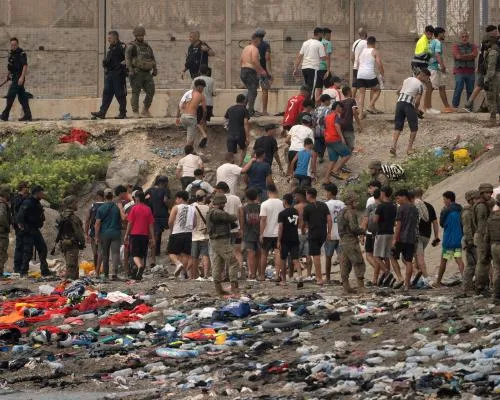
- Italy has suspended EU’s Schengen arrangements with Spain following a mass influx of migrants into Ceuta.
- European leaders react to the crisis, calling for unity and stricter border controls.
- Spain argues that most migrants have voluntarily returned to Morocco.
Key Measures Taken by Italy
The Italian government has taken a decisive step in response to a significant number of migrants reaching Ceuta. According to Italian news agency Ansa, the interior ministry has ordered the closure of sea and air borders with Spain. This decision was made following an analysis by the Committee on Immigration and Border Security chaired by the Interior Minister. The move will affect travelers by plane or boat between Italy and Spain.
European Leaders React
The situation has garnered attention from various European leaders, who have expressed their views on the matter. French President Macron highlighted the ongoing cooperation with Morocco in managing migration and called for increased coordination among countries to address the crisis. He also suggested that France would bolster its border controls along its border with Spain.
Poland’s Prime Minister Andrzej Duda urged Spain to strengthen its asylum laws and build effective barriers if Schengen is to survive. He highlighted Poland’s successful measures in dealing with similar challenges at its borders. Meanwhile, Italy’s suspension of Schengen arrangements with Spain has prompted calls from other EU leaders for solidarity and cooperation.
Spaniards’ Response and Returnees
Spain's response to the crisis has been met with criticism and support. The Spanish government estimates that a majority of migrants who crossed into Ceuta have now voluntarily returned to Morocco, with 40,000 people having made their way back out of an estimated total between 50,000 (central government) and 60,000 (local government). This number is part of the ongoing efforts by Spain to manage the influx effectively.
European Migration Commissioner Brunner has highlighted Morocco’s status as a safe country of origin within the EU list. This means that Moroccan nationals are unlikely to qualify for international protection and should be quickly returned. The Spanish government is closely monitoring the situation, with Interior Minister Fernando Grande-Marlaska emphasizing the importance of ensuring the security and orderly management of borders.
Source: The Guardian

Guardian News World
606 posts
-
 'Nghĩa địa tàu chiến' Đức Quốc xã trồi lên giữa sông do hạn hán: Nhiều di tích lịch sử bị phơi bày
Hạn hán và nắng nóng kỷ lục đã làm mực nước sông Danube ở châu Âu xuống thấp, phơi bày nhiều di tích lịch sử dưới lòng sông. Tình trạng này không chỉ ảnh hưởng đến giao thông thủy, mà còn gây khó khăn cho ngành công nghiệ
-
 US Intervenes to Support Japanese Yen Amid Economic Concerns
The United States has intervened to support Japan's weakening yen, marking a rare cooperation that could impact global economic dynamics.
-
 UK Kementerian Dalam Negeri Meninjau Hak Penginapan Warga Eropa
 -
 Cartas del Home Office Ponen en Juego los Derechos de Residencia de Cíos de la UE
El Home Office revisa algunos derechos de residencia post-Brexit de ciudadanos de la UE, potencialmente afectando a miles de personas que han construido sus vidas en el país.
-
 UK Home Office Letters Question EU Citizens' Residency Rights
The UK Home Office is reviewing some EU citizens' Brexit-related residency rights, potentially affecting thousands of people who have built their lives in the country.
-
 Police Failed to Arrest Suspect Before Infant’s Tragic Death
Cleveland police failed to arrest a man who had breached a non-molestation order before he sexually assaulted and killed his girlfriend's two-year-old daughter. Simpson was convicted alongside Walker for their roles in the murder, leading to life sentences.
-
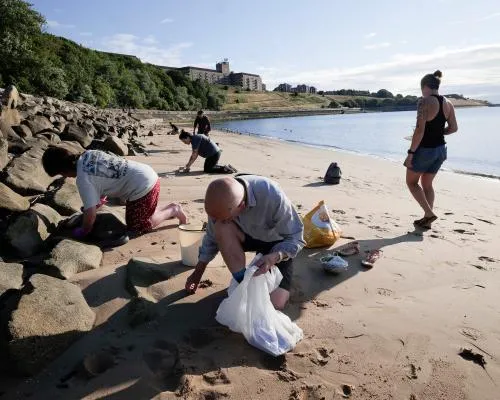 Voluntários se Mobilizam no Nordeste do Reino Unido para Limpar Descarga de Nurdles
Milhares de voluntários estão empenhados em uma gigantesca operação de limpeza na costa nordeste da Inglaterra, em resposta a uma descarga de partículas plásticas conhecidas como nurdles após um acidente de navio.
-
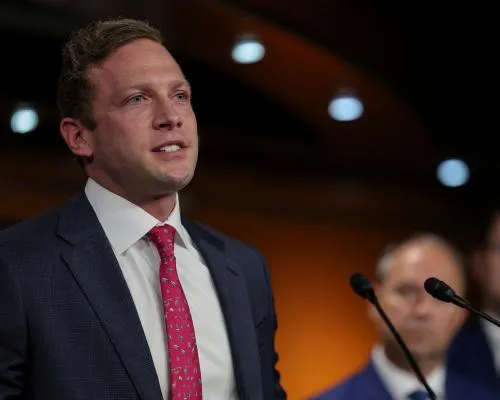 Anggota Parlemen Republican Meminta Anggota Kongres Bergabung Dengan Partai Resign di Ancam SARA
 -
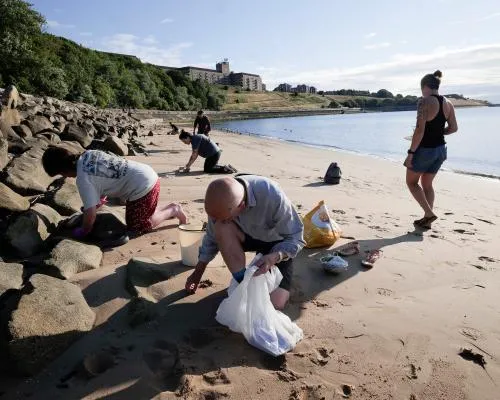 Volunteers Mobilize in North-East England to Clean Up Nurdle Spillage
A massive cleanup effort has mobilized thousands of volunteers across the north-east of England to address a spillage of plastic pellets known as nurdles, which were released into water following a ship collision.
-
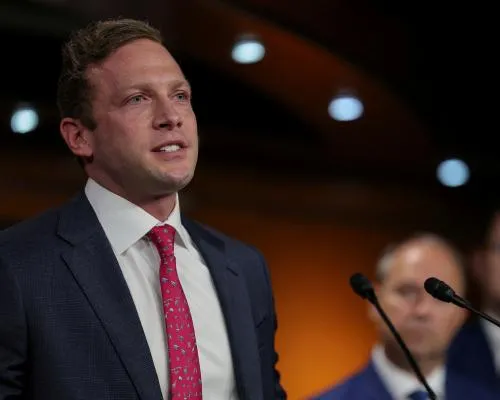 Senator dari Ohio Menuntut Tergantung Parlemen untuk Mengundurkan Diri Akibat Skandal Penganiayaan
 -
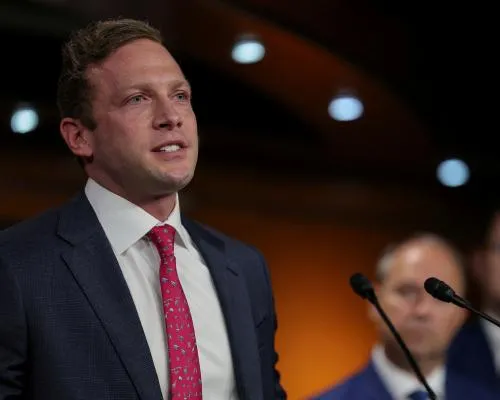 Republican Senator Calls for Congressman’s Resignation Amid Abuse Allegations
Republican Senator Bernie Moreno demands Congressman Max Miller resign amid abuse claims. Miller denies all accusations, stating no charges were filed.


