- The first nationwide test of AusAlert, a new emergency warning system, failed to reach some users.
- While the alert was broadcast on most targeted cell towers, 6% did not receive it due to various reasons.
- Emergency management minister Kristy McBain acknowledged that no communication method is entirely reliable.
- Concerns were raised about potential risks associated with the safety of devices used in domestic violence situations.
Test of AusAlert Emergency Warning System
Australia's first nationwide test of the new emergency warning system, AusAlert, highlighted both its success and shortcomings. Designed to alert Australians about fires, floods, terrorist incidents, or health emergencies, the test aimed to prepare the public for potential crises by broadcasting a loud siren sound and displaying a notification on most smartphones.
Varied User Experiences
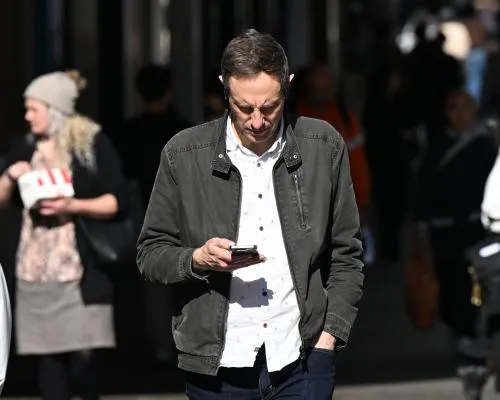
The alert went off at around 2pm AEST across almost every phone in Australia, including some smartwatches and tablets. However, not everyone reported receiving it as expected. Indigo Miller from Canberra shared that the experience was 'pretty anti-climactic' and briefly mentioned that the sound wasn't very loud on her device. Similarly, busker Dani Bainbridge received the notification but described its effectiveness as 'good enough.' Some users completely missed out on the alert entirely.
Technical Challenges
Around 94% of targeted cell towers successfully broadcast the alert, according to data provided by the National Emergency Management Agency. However, there were inconsistencies in who received and responded to the notification. For example, some iPhone models like the 15 Pro and 12, despite being on compatible software versions, did not receive the alert. The exact reasons for these discrepancies are yet to be fully analyzed.
Government Response
The federal emergency management minister, Kristy McBain, acknowledged that while AusAlert is more reliable than current text-based systems, no method of communication can guarantee 100% success. She explained, 'Don't worry if you did not receive an alert – this could be because you were not in a coverage area, your software was not up to date or your device was incompatible.' Ms McBain also noted that the system is part of a toolkit used by emergency services and that Nema will continue to analyze technical data and engage with emergency service organizations.
Source: The Guardian

Technology News Feed
160 posts
-
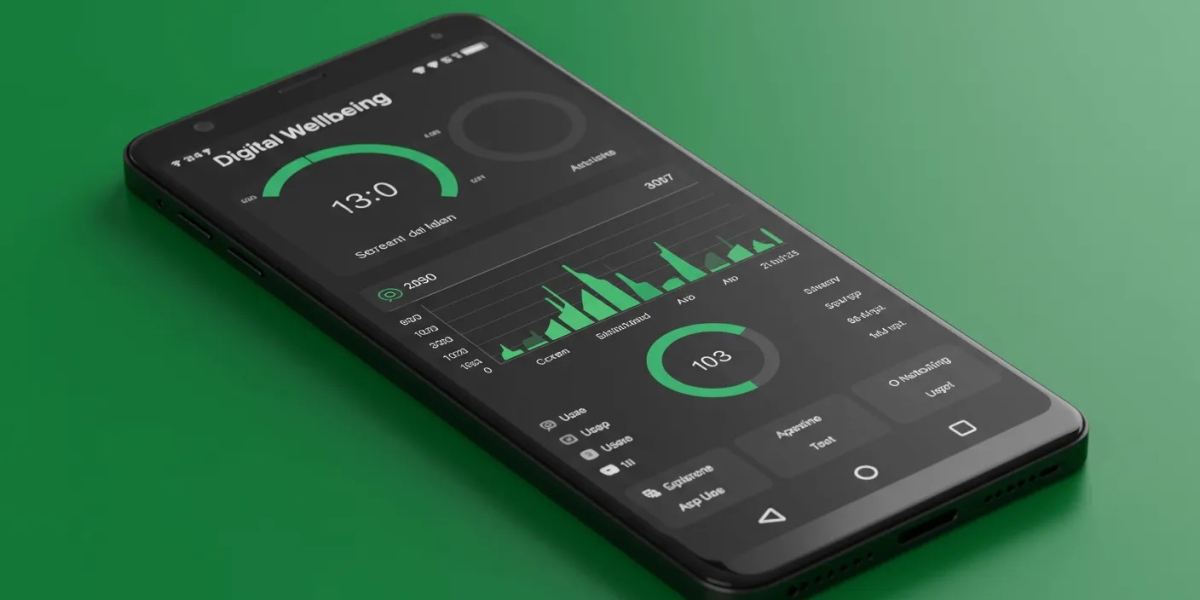 Cómo Proteger tu Teléfono Android de Virus y Ciberataques en 2025
Aunque Android ha mejorado sus medidas de protección con cada actualización, muchas veces los problemas aparecen por descuidos del propio usuario. En este artículo te explicamos cómo mantener tu dispositivo Android seguro, actualizado y libre de amenazas
-
 Erfahrungen – die unsichtbare Kraft hinter Vertrauen und Entscheidung
Erfahrungen – die unsichtbare Kraft hinter Vertrauen und Entscheidung
-
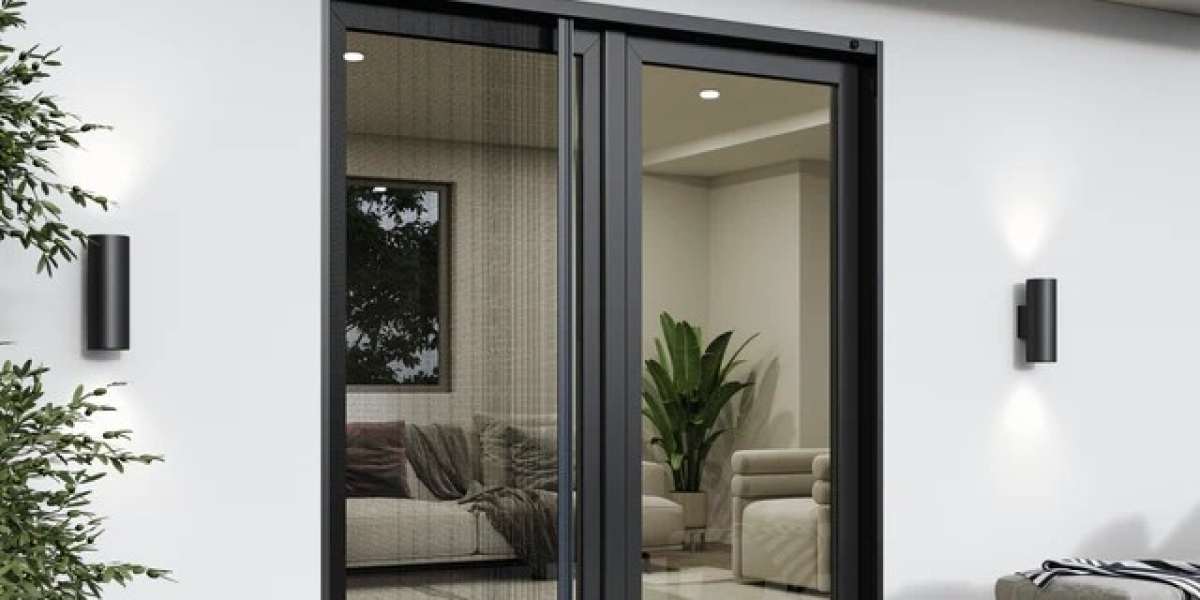 Fliegengittertür – Schutz, Komfort und Lebensqualität für Ihr Zuhause
Fliegengittertür – Schutz, Komfort und Lebensqualität für Ihr Zuhause
-
 Créer des scripts de podcasts professionnels grâce à Chat GPT
Grâce à Chat GPT, les barrières à la création de podcasts s’effondrent. Plus besoin d’être un expert en rédaction ou en storytelling : vous êtes accompagné à chaque étape. Que vous soyez entrepreneur, coach, enseignant, passionné de culture, ou simple curieux, vous pouvez c
-
 Understanding How And When To Do Bone Marrow Transplant
Bone marrow transplants are a life-saving treatment for various conditions, including certain types of cancer, blood disorders, and immune deficiencies. This complex procedure involves replacing damaged or diseased bone marrow with healthy stem cells. If you or a loved one are considering
-
 Понять, как костный мозг восстанавливается после трансплантации костного мозга
Трансплантация костного мозга, сложная медицинская процедура, предлагает спасательный круг для людей, борющихся с опасными для жизни заболеваниями, такими к
-
 مخاطر عملية زرع نخاع العظم لمرضى فقر الدم المنجلي
تقدم عملية زرع نخاع العظم (BMT)، المعروفة أيضًا باسم عملية زرع الخلايا الجذعية المكونة للدم (HSCT)، إمكانية علاج مرض فقر الدم المنجلي (SCD). ومع ذلك، فهي عملية معقدة ت
-
 Acute Lymphoblastic Leukemia (ALL) Stem Cell Transplant Survival Rates
Acute Lymphoblastic Leukemia (ALL) is a cancer of the bone marrow and blood that primarily affects children but can also occur in adults. While treatment options have significantly improved, some patients may require a stem cell transplant for optimal outcomes.
-
 የአጥንት ቅልጥምንም ንቅለ ተከላ በኋላ ትክክለኛውን አመጋገብ ወይም አመጋገብ ይወቁ
የአጥንት መቅኒ ንቅለ ተከላ በሽታ የመከላከል ስርዓትን በእጅጉ የሚጎዳ ውስብስብ የሕክምና ሂደት ነው። ሰውነትዎ ሲያገግም, ለአመጋገብዎ ጥንቃቄ የተሞላበት ትኩረት በጣም አስፈ
-
 Апластическая анемия. Ожидаемая продолжительность жизни после трансплантации костного мозга
Апластическая анемия — редкое и серьезное заболевание крови, при котором костный мозг перестает вырабатывать достаточное количество клеток крови. Это може
-
 متوسط العمر المتوقع بعد عملية زرع نخاع العظم – الطريق إلى التعافي
تقدم عمليات زرع نخاع العظم الأمل لمن يعانون من اضطرابات الدم ولكنها تنطوي على مخاطر. تؤثر متغيرات مثل نوع المرض، ومطابقة المتبرع، وGVHD، والمضاعفات، والعمر، وال


