- Black American women are increasingly traveling to South Korea for healthcare check-ups.
- The patient-first approach and thorough diagnostic testing in South Korea provide a stark contrast to experiences in the US.
- Healthcare disparities among Black women, particularly in cardiovascular disease and gynaecological disorders, drive the trend.
Why South Korea?
In recent years, a significant number of Black American women have been traveling to Seoul for healthcare check-ups. Unlike in the United States, where they may face barriers such as inadequate insurance coverage and implicit biases from medical professionals, South Korean healthcare offers a more comprehensive and inclusive approach.
Comprehensive Health Examinations
The experience of Black women traveling to South Korea for health check-ups is not only about cosmetic procedures; it's also about addressing critical health concerns. Adzua Agyapon, a 36-year-old non-profit worker based in Washington DC, had a fibroid discovered during her examination at Medione Medical Center in Seoul. The thoroughness of the diagnostic process, including same-day imaging and specialist consultations, was markedly different from what she experienced back home.
Addressing Healthcare Disparities
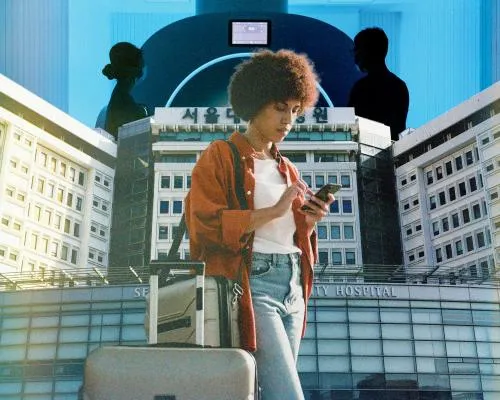
The trend among Black American women traveling to South Korea highlights a pressing issue: systemic healthcare disparities in the United States. Studies show that Black women face disproportionately high rates of cardiovascular disease and breast cancer, often resulting in delayed diagnoses. Comprehensive health check-ups in South Korea offer an alternative where patients can undergo a wide range of tests under one roof.
Experiences of African American Women
Elizabeth Oputa, a 42-year-old brand strategist from New Jersey, described feeling more heard and valued during her visits to Seoul compared to the US. In Korea, she found that healthcare providers took their time and understood her needs without judgment.
Fumi Ekhator, a 35-year-old attorney from Philadelphia, noted the difference in skincare approaches as well. Korean products focus on gentle, natural ingredients that can prevent skin issues before they arise. Her experience at a Seoul skin clinic reinforced the patient-first approach, where she received personalized advice and precautions tailored to her dark skin tone.
Systemic Barriers and Future Outlook
The growing trend of medical tourism among Black American women to South Korea highlights broader issues in the US healthcare system. While it provides a respite for those who can afford it, systemic barriers continue to persist. The experiences shared by these women suggest that while the quality of care in South Korea is commendable, it does not address the root causes of healthcare disparities.
The trend underscores the need for systemic changes in the US healthcare system to ensure equal access and comprehensive care for all, regardless of race or financial status. The experiences shared by these women serve as a stark reminder of the urgent need for reform.
Source: The Guardian

Culture News
146 posts
-
 Edvard Munch’s Freia Frieze: A Bittersweet Legacy of Art and Exploitation
An exhibition at Oslo’s Munch Museum explores the Freia frieze, revealing the intricate balance between art and labor in early 20th-century Norway.
-
 Christopher Nolan's Dominance Reshapes Box Office Landscape
Christopher Nolan's latest film, The Odyssey, is dominating the box office landscape, forcing other releases into the shadows. While his directorial style faces criticism, Nolan continues to redefine blockbuster filmmaking.
-
 Escaping Expectations: A Hiker's Journey Through Nature and Self-Discovery
Morgan da Silva reflects on how his journey from traveling the world to hiking the Pacific Crest Trail has transformed his understanding of what it means to be free.
-
 Summer TV Slumps as Streaming Platforms Prioritize Awards Seasons
Summer TV has lost its appeal this year, with major streaming platforms focusing on award seasons over content creation.
-
 Summer TV: A Season Without Buzz
The summer TV season has been disappointing with fewer high-profile new shows and more emphasis on award seasons.
-
 Celebrity Earrings Spark Debate Over Ancient Artifacts
Celebrity appearances spark debates about the ethical handling of ancient artifacts. Earrings worn by Zendaya at a London photocall have renewed concerns over provenance and cultural heritage.
-
 Entertainment Guide: A Week of Diverse Performances and Releases
A guide to upcoming entertainment events including films, gigs, art exhibitions, and new shows.
-
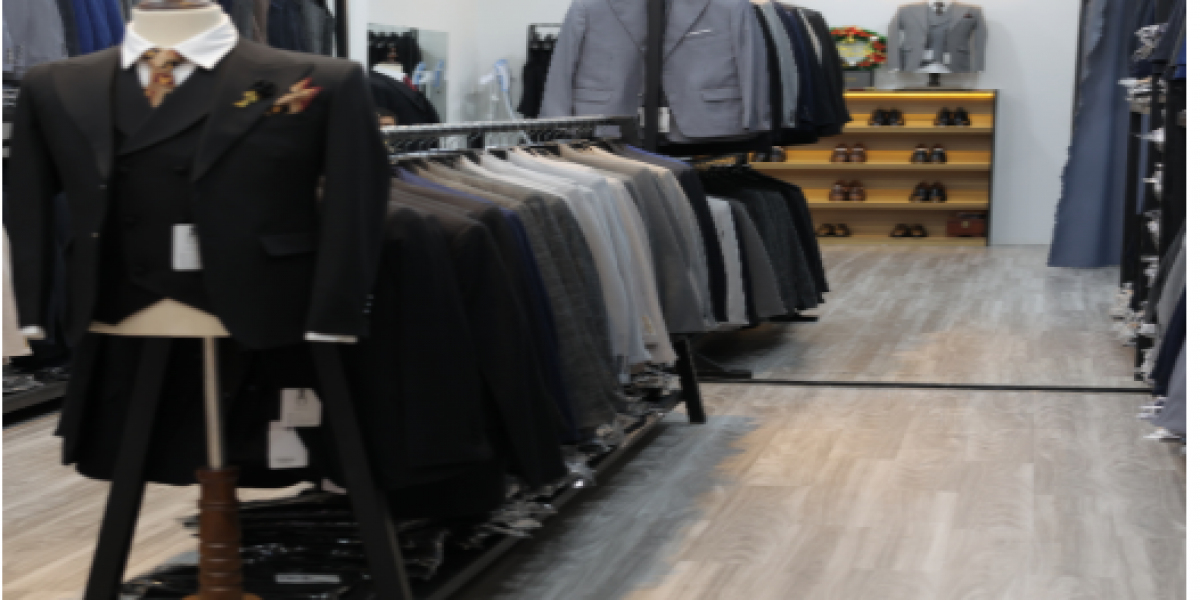 áo vest nam
Đặc biệt, ngoài dịch vụ bán sản phẩm, Umvestnam còn cung cấp dịch vụ thuê vest nam TPHCM dành cho khách hàng có nhu cầu sử dụng trong thời gian ngắn, mang đến nhiều lựa chọn phù hợp với từng ngân sách.
-
 Entertainment Roundup: New Films, Live Events, and Must-Have Albums
Explore the latest in cinema, live performances, albums, and more this week.
-
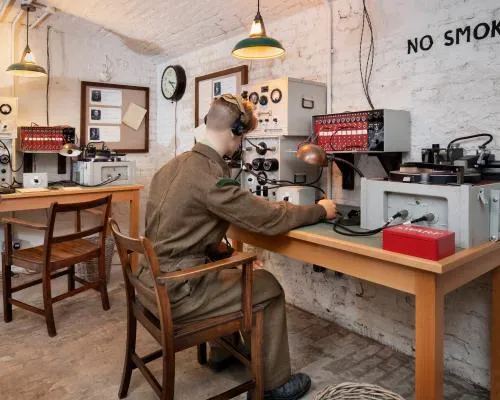 Trent Park Reveals Its Spy-Laden History: A Palatial Prison of War Camp
Trent Park, a historic Hertfordshire estate, has been transformed into a museum that unveils its role as a wartime spy camp during World War II.


