- Experts warn of 'huge danger' to public safety from misleading medical claims online.
- Research shows 84% of top health-related TikTok videos are AI-generated or assisted, with some receiving over 2.5 million views.
- Misleading content includes false cancer causes and ineffective remedies like Coca-Cola mixed with onion.
Experts Warn of Serious Risks from Misleading Medical Claims Online
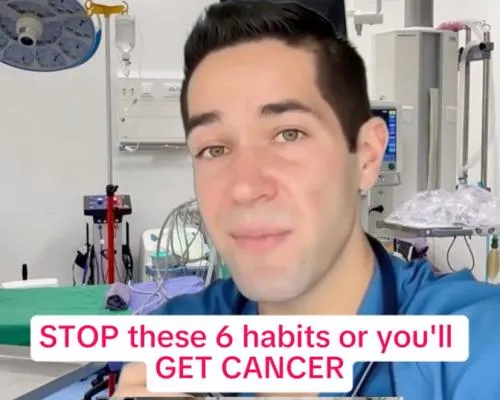
Public safety is at risk due to the proliferation of AI-generated doctors spreading dubious health advice on social media, according to experts. The British Medical Association council deputy chair, Dr Emma Runswick, highlighted the dangers posed by these accounts that 'peddle medical myths and promote so-called miracle cures.' She emphasized the need for platforms like TikTok to take stronger action against dangerous fake medical advice.
AI-Generated Content Dominates Health-Related TikTok Videos
A study published this month by Hallam, a digital marketing agency, revealed that AI-generated content comprises an unspecified percentage of top health-related TikTok videos. The research also found that for certain search terms, such as 'health tips,' the majority of videos were identified as AI-generated or assisted.
Misleading Claims and Harmful Remedies
The study found that these AI-generated accounts have spread disproven myths, including the claim that microwaving food in plastic, using deodorants, or sleeping next to a phone can cause cancer – all of which have been debunked by Cancer Research UK. TikTok has taken down some examples of these videos upon receiving notifications from The Guardian.
Some AI-generated content promoted bizarre remedies for various health issues, such as mixing Coca-Cola with onion as a pain-relief remedy and a fake product claimed to combat hair loss, skin weakening, brittle nails, and joint pain. There is no evidence of this product being available online.
Healthcare Professionals Express Concerns
The rise in AI-generated content has alarmed healthcare professionals. Prof Frankie Swords, the national medical director at NHS England, stated that many clinicians are seeing an increasing number of patients who feel worried and confused due to false advice. Similarly, the president of the Royal College of GPs, Prof Victoria Tzortziou Brown, expressed concern about the 'real risk' such content poses.
Dr Alex Ruani, a health misinformation researcher at UCL, termed the rise of AI doctor videos as a 'frightening amount of exposure to fake medical content.' She warned that we are witnessing an industrialized exploitation of trust in these platforms.
TikTok Defends Its Actions
A TikTok spokesperson denied that the findings from Hallam accurately represent their platform, stating that harmful health misinformation, including AI-generated content, is removed. They also mentioned partnerships with organizations like the World Health Organization and NHS to provide reliable health information within the app.
Call for Public Awareness
The Guardian poll conducted by Savanta on 3,575 men and 3,832 women aged 18 and above in England indicated that one in five people use social media for health information. Without the ability to distinguish reliable information from commercial hype or misinformation, individuals risk being misled, which can have serious health implications.
Source: The Guardian

Technology News Feed
161 posts
-
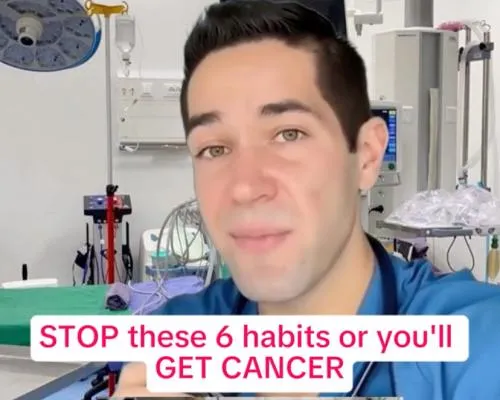 AI-Generasi Dokter Menyebar Penasihat Kesehatan Palsu di TikTok
 -
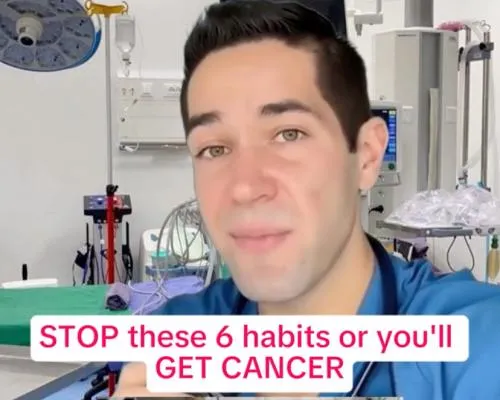 Médicos Gerados por IA Espalhando Adivinhações Saúde Duvidosas no TikTok
Expertas alertam sobre a ameaça significativa à segurança pública devido aos falsos conselhos médicos compartilhados na plataforma social.
-
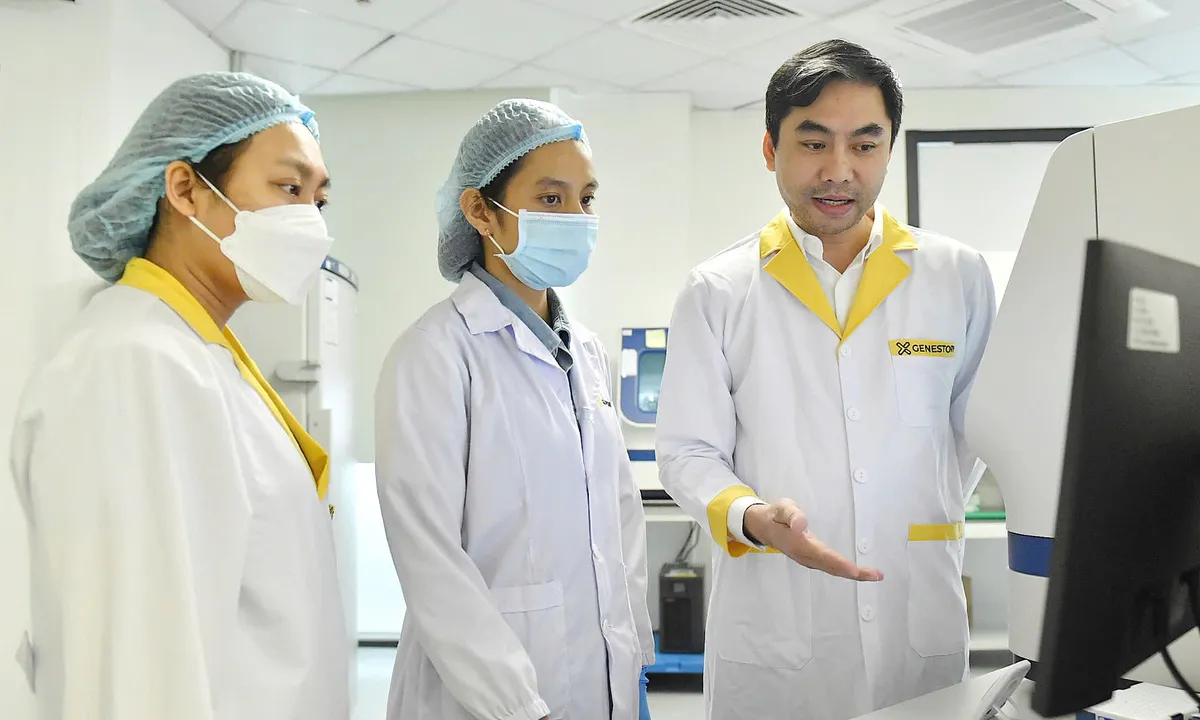 Dự Án VN1K: Giải Mã 1.000 Bộ Gen Người Việt, Tăng Khả Năng Xác Định Danh Tính Liệt Sĩ
Dự án VN1K công bố dữ liệu gene người Việt, giúp tăng khả năng xác định danh tính của liệt sĩ thông qua công nghệ gen mới.
-
 Pengujian Sistem Pemberitahuan Darurat Nasional AusAlert Berhasil Tapi Terbatas
 -
 Uji Sistem Peringatan Nasional Australia: Reaksi Campur-campur dan Masalah Teknis
 -
 Prueba Nacional del Sistema de Alertas Emergencia AusAlert Genera Resultados Mixtos
Los ciudadanos australianos recibieron resultados mixtos durante la primera prueba nacional del nuevo sistema de alertas emergencia, AusAlert, que pretende prepararlos para diversas situaciones de emergencia.
-
 Prueba del sistema de alertas nacionales de Australia: Reacciones mixtas y contratiempos técnicos
 -
 Test Nacional do Sistema de Alerta Emergencial AusAlert Gera Resultados Mixtos
 -
 Sistema Nacional de Alertas da Austrália Testado: Reações Misturadas e Falhas Técnicas
 -
 Nationwide Test of AusAlert Emergency Warning System Yields Mixed Results
Australians received mixed results during the first nationwide test of the new emergency warning system, AusAlert, which aims to prepare them for various emergencies.


