- Trent Park, a Georgian country house in Hertfordshire, served as a prisoner-of-war camp for German generals during World War II.
- The house was bugged extensively, with conversations recorded and monitored by Jewish refugees from the basement.
- German intelligence was intercepted, leading to breakthroughs like discovering details about V2 rockets and wireless communication systems.
- Today, the house has been transformed into a museum, offering visitors a glimpse of its wartime secrets and past lives.
From Aristocracy to Espionage
Trent Park, originally built in the 1770s for George III's favorite doctor, Sir Richard Jebb, has undergone several transformations over the centuries. It served as a Georgian retreat and Victorian mansion before becoming a mock-Georgian estate in the early 20th century. The property was eventually transformed into a university campus but fell into disrepair after its closure.
During World War II, Trent Park took on a new and more clandestine role as a prisoner-of-war camp for high-ranking German officers. This change was dramatic; the opulent surroundings provided comfort and space, yet every inch of the house was equipped with bugging devices, even the rose bushes in the garden.
Secrets Unveiled
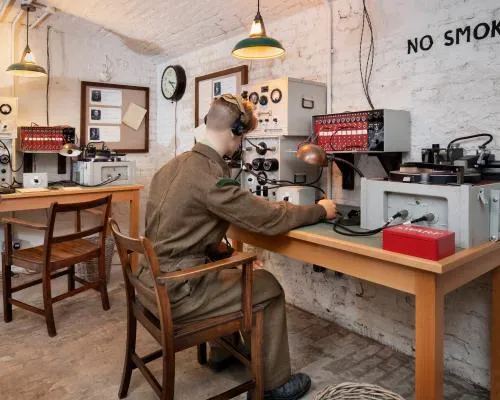
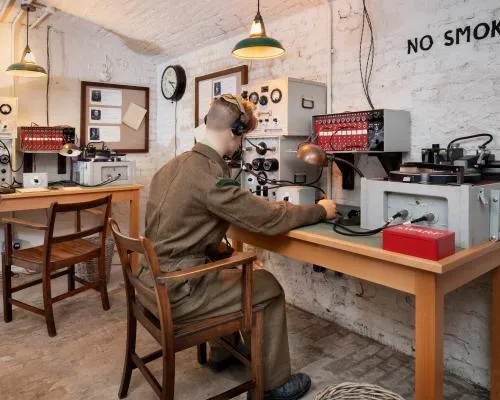
In the basement, visitors can see how the house operated as a spy hub. The rooms are meticulously recreated to reflect their wartime purpose: mannequins sit at listening stations, beds are neatly made, and cupboards are stocked with period-appropriate goods. This setup allowed Jewish refugees to monitor conversations, which provided valuable intelligence to British authorities.
One of the significant revelations from these monitored discussions was information about German ballistic systems and communication methods, aiding Allied efforts against V2 rockets and other technologies. However, some sensitive details were not acted upon due to concerns over exposing secret surveillance techniques.
A Layered History
The museum at Trent Park House of Secrets focuses on the house's wartime role but also highlights its earlier incarnations. The layers of history are palpable, from the opulence of the Georgian era through to the austerity of post-war Britain. Each layer reflects the changing fortunes and tastes of English society.
Despite its modern transformation into a museum, some original elements remain elusive. Original artworks and decorations have been replaced with copies, leaving gaps in the narrative that visitors can imagine but not see for themselves.
The Significance of Place
Places like Trent Park are more than just grand houses or follies of the wealthy; they embody a rich tapestry of history. The story of Trent Park is a compelling example, capturing moments of luxury and wartime ingenuity, as well as moral complexities.
The museum opens on July 21, inviting visitors to explore this fascinating period in Britain's history through its unique blend of grandeur and intrigue.
Source: The Guardian

Culture News
137 posts
-
 Trent Park's Secret History Unveiled: From Princely Retreat to War-Time Spy Den
Trent Park's transformation into a secret World War II listening station is now open as a museum, offering visitors an immersive experience of its storied past.
-
 Anna Friel: The Lighting Expert and No-Nonsense Actress
British actress Anna Friel discusses her role in 'The F Ward' medical drama, her passion for lighting design, and shares reflections on memorable fan interactions and favorite films.
-
 Anna Friel Reflects on No-Nonsense Women and Lighting in Her New Australian Drama
Actor Anna Friel discusses her role in 'The F Ward,' shares tips on learning lines in the bath, and reflects on nostalgic favorites from the 80s.
-
 Late Night Show Highlights Trump's Poor Approval Ratings and Controversial Policies
Seth Meyers used his late-night show to dissect Donald Trump's low approval ratings and controversial policies, including new tariffs on Canadian goods and demands for stricter voter ID laws.
-
 Barnaby Joyce's Controversial Live Dog Outburst During 7.30 Interview
Former Australian deputy prime minister Barnaby Joyce’s outburst during an ABC interview has gone viral, highlighting One Nation’s controversial leadership and policies.
-
 Seth Meyers Jokes About Trump's Social Media Posts and More
Seth Meyers used his late-night show to critique Donald Trump's social media posts and comments, including jokes about his World Cup wishes and other random tidbits.
-
 Seth Meyers’ Late-Night Insights on Trump’s World Cup Mishaps
Seth Meyers discusses Donald Trump's awkward World Cup visit, his booed appearance in New York, and his conflicting claims about the Iran war.
-
 Mỗi vóc dáng cần một cách lựa chọn khác nhau
Các đơn vị chuyên về vest nam tphcm hiện nay thường cung cấp nhiều dòng sản phẩm khác nhau, từ vest công sở, vest dự tiệc đến vest dành cho lễ cưới, giúp khách hàng dễ dàng tìm được mẫu phù hợp với nhu cầu sử dụng. Đồng th
-
 Exploring Victorian Poverty Through an Immersive Workhouse Experience
The Ripon Workhouse Museum has reopened after a major revamp, offering visitors a more immersive experience to explore the harsh realities of Victorian workhouses and their relevance to contemporary issues.
-
 Black Women Opt for Healthcare in South Korea Amid US Disparities
Black American women are increasingly turning to South Korea for comprehensive healthcare due to perceived disparities in U.S. medical treatment.


