- Arturo Schomburg’s collections form the core of a Harlem institution.
- The center honors its 100-year history while preserving over 11 million items.
- Women of color now dominate the staff who curate and protect the collections.
Founding Father: Arturo Schomburg
In the late 19th century, Arturo Alfonso Schomburg was born in Puerto Rico. Educated by a teacher who dismissed Black history, Schomburg dedicated his life to collecting and validating the contributions of Black people globally. His collection grew significantly after he moved to New York City at age 17.
Harlem Renaissance and Beyond
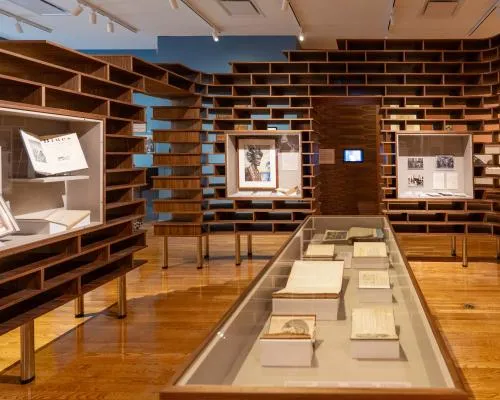
The Harlem Renaissance era saw an increased demand for materials about Black culture and history, leading the Schomburg Center’s establishment in 1926 with a purchase of Schomburg’s personal library. Today, the center houses over 11 million items including works by celebrated authors like Maya Angelou and historical documents such as Harriet Jacobs’ Incidents in the Life of a Slave Girl.
Centennial Celebrations
To mark its 100th anniversary, the Schomburg Center is hosting two exhibitions: one at its own center showcasing 100 years of collections and community contributions, while another, Declaring America: 1776 and Beyond, highlights items from the Schomburg’s collection at the New York Public Library. Items include a manuscript of Angelou’s autobiography and a commemorative print from the March on Washington.
Digital Transformation and Legacy
The Schomburg Center continues to evolve with digitization efforts, making its vast collection more accessible. Reflecting this mission, staff curated a playlist of 100 songs for the centennial celebration. The center’s current curator, Tammi Lawson, emphasizes the importance of representation, securing funds to expand the collection with works by Black women artists like Augusta Savage.
The Schomburg Center remains an essential institution in preserving and promoting Black history and culture, ensuring that future generations continue to benefit from its extensive holdings. Its legacy is a testament to Arturo Schomburg’s visionary collecting and the dedication of its current staff to uphold his mission.
Source: The Guardian

Culture News
129 posts
-
 Mỗi vóc dáng cần một cách lựa chọn khác nhau
Các đơn vị chuyên về vest nam tphcm hiện nay thường cung cấp nhiều dòng sản phẩm khác nhau, từ vest công sở, vest dự tiệc đến vest dành cho lễ cưới, giúp khách hàng dễ dàng tìm được mẫu phù hợp với nhu cầu sử dụng. Đồng th
-
 Exploring Victorian Poverty Through an Immersive Workhouse Experience
The Ripon Workhouse Museum has reopened after a major revamp, offering visitors a more immersive experience to explore the harsh realities of Victorian workhouses and their relevance to contemporary issues.
-
 Black Women Opt for Healthcare in South Korea Amid US Disparities
Black American women are increasingly turning to South Korea for comprehensive healthcare due to perceived disparities in U.S. medical treatment.
-
 The Enduring Allure of Homer’s Odyssey: From Ancient Epic to Modern Pop Culture
The Odyssey, an ancient Greek epic, continues to influence contemporary media through various adaptations, from films like Christopher Nolan’s to literary works such as Dante's Inferno and Ulysses. Its themes resonate deeply with modern issues.
-
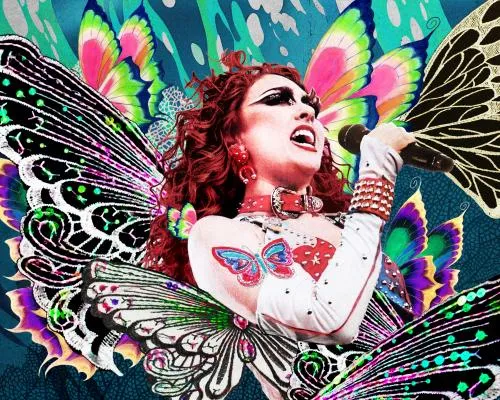 Chappell Roan’s ‘Casual’ Offers Reality Check on Ambiguous Relationships
Chappell Roan's hit song ‘Casual’ helped an individual gain clarity in ambiguous relationships and led to the end of a long-distance situationship.
-
 Christopher Nolan’s Dominance Shaping Blockbuster Battles
Christopher Nolan's dominance in the film industry is reshaping blockbuster battles. His ability to consistently draw large audiences makes him unique among today’s directors.
-
 The Quest for Freedom: How a Film Inspired a Journey Through Nature
Morgan da Silva shares how 'Into the Wild' inspired him on his adventures and eventually led him to find inner peace through nature.
-
 Finding Freedom: A Hiker's Journey from Escapism to Deep Connection
A hiker reflects on how an adventure inspired by Into the Wild led to a deeper understanding of freedom and personal growth.
-
 Seth Meyers Criticizes Trump’s Bizarre Priorities on Late Night Show
Seth Meyers on Late Night criticized Donald Trump’s focus on obscure issues like sperm counts and magnets during his presidency.
-
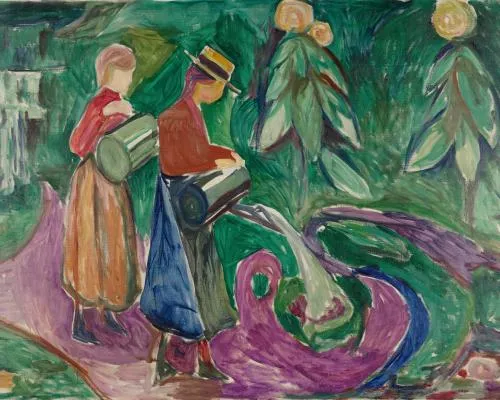 The Art of Advocacy: Exploring Edvard Munch’s Freia Frieze in Oslo
Exhibition examines Edvard Munch’s Freia frieze, revealing hidden intentions behind public art commissioned for a chocolate factory.


