- The Freia frieze, created in 1922 for a chocolate factory women's canteen, reveals the complex interplay between art and labor.
- Curator Ana María Bresciani uses the exhibit to explore the broader context of workers' rights and gender equality.
- Despite Munch’s intentions, the frieze was criticized for its cost while workers earned meager wages, highlighting income disparity.
- Freia played a significant role in Norwegian industrialization but faced criticism for exploiting its workers.
Art and Labor in Oslo's Munch Museum
The Freia frieze, a series of 12 canvases by renowned artist Edvard Munch, currently on display at Oslo’s Munch Museum, offers a glimpse into the intersection of art and labor during a transformative period in Norway. These paintings were commissioned in 1922 to decorate the walls of the women's canteen at Freia, a famous chocolate factory.
Historical Context and Controversy
The exhibition, titled 'Edvard Munch and the Chocolate Factory,' provides a broader narrative that delves into the historical context of workers' rights and gender equality. Curator Ana María Bresciani highlights how these paintings were created during turbulent times in Europe post-World War I, when workers were striving for better conditions. These years, 1922 to 1923, were particularly dark and dramatic for the continent.
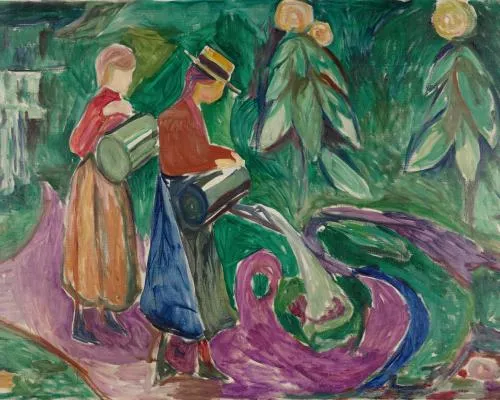
The Freia frieze was a bold public art project commissioned by chocolate mogul Johan Throne Holst, who paid Munch an amount that underscores the stark disparity in income between factory workers and their employers. While Freia provided various amenities to its female employees, such as bathing facilities, manicures, modern toilets, uniforms, and affordable food options like porridge and cacao milk, the women's wages were meager.
The factory was not just a place of work; it played a significant role in Norwegian industrialization. Freia’s history is intertwined with that of the nation itself: providing chocolate products, offering worker benefits, and being part of the broader narrative of nation-building through industry. However, the company had a darker side, sourcing cocoa from exploitative conditions in South America, the Caribbean, and Ghana at the time, a British colony.
The Freia frieze was first exhibited on the walls of the factory canteen in 1923. Munch intended these paintings as a means to educate the working class, particularly the young women who worked there. He believed that the girls and young women would benefit from understanding and interpreting the scenes depicted in the paintings, even if they may not have had direct access to such experiences themselves.
The Curatorial Perspective
Curator Ana María Bresciani explains that Munch’s work at Freia reflects a strategic approach. While he genuinely cared about labor rights and wanted to uplift workers through his art, there were also elements of self-promotion in his motivations. The frieze was seen as an opportunity for wider recognition and support among the people.
Bresciani notes that Munch's paintings at Freia do not just depict idyllic scenes; they are a reflection of a broader struggle for workers' rights and gender equality. She emphasizes, “Those years when Munch was working on the Freia frieze were very dramatic and dark for the whole of Europe, especially after the first world war.” The exhibition aims to highlight this context and provide a nuanced understanding of both the artist's intentions and the historical realities.
While the paintings aimed to educate and uplift, they also sparked controversy. A Oslo-based newspaper, Arbeiderbladet, criticized Freia’s spending on art while workers struggled. The article reported that “while the workers are kept on starvation wages, large capital is invested in costly paintings, which in time could be sold at a large profit.” This stark contrast between the company's investment and its employees' living conditions reflects the economic disparities of the era.
Conclusion
The Edvard Munch and the Chocolate Factory exhibit at Oslo’s Munch Museum not only showcases the artist's distinctive style but also provides a poignant reflection on the complex relationship between art and industrial exploitation. It serves as a reminder of these historical complexities.
Source: The Guardian

Culture News
146 posts
-
 high quality replica watches
Jacob & Co., Richard Mille, Hublot, and Franck Muller
-
 The role of applications of anatase tio2 in coatings
applications of anatase tio2 in coatings https://www.wxchti.com/How-is-Anatase-Titanium-Dioxide-Used-in-Coatings.html
-
 What is the role of china bphe factory in the refrigeration system?
china bphe factory https://www.yojointernational.com/Brazed-Plate-Heat-Exchanger/
-
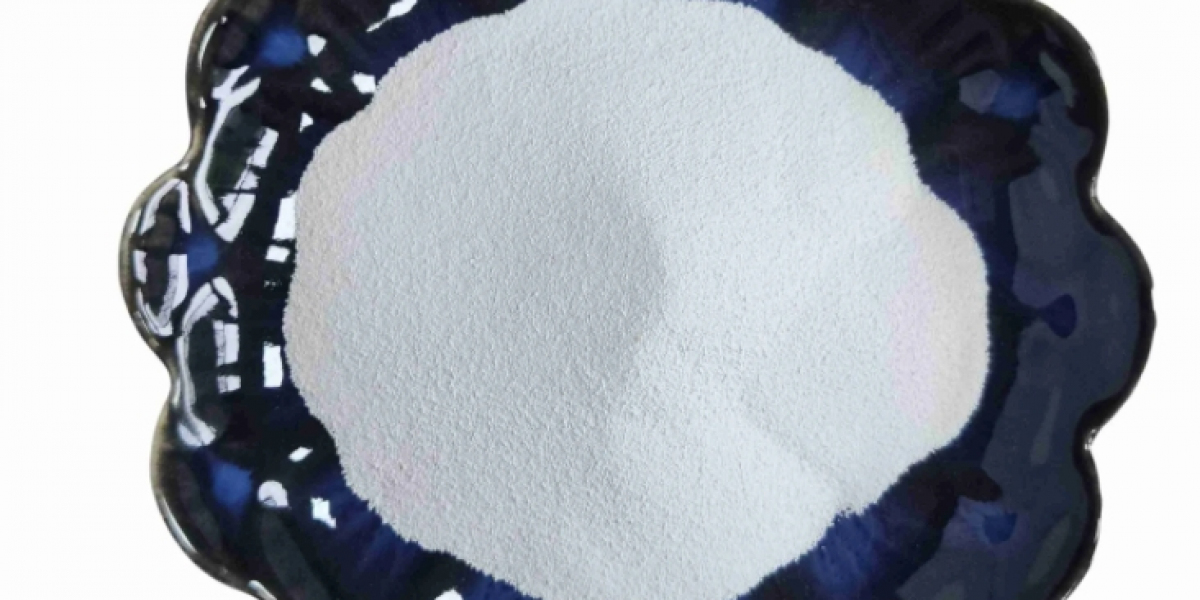 secondary steam reforming catalyst support classification and production process introduction
secondary steam reforming catalyst support https://www.yxwntec.com/Exploring-the-Applications-and-Advantages-of-Secondary-Steam-Reforming-Catalyst.html
-
 Introduction to the Application scope of 8k series hydraulic motor
8k series hydraulic motor https://www.aj-motor.com/8K-series-hydraulic-motor.html
-
 How to choose gb 8713 seamless steel china
gb 8713 seamless steel china https://www.torichsteel.com/GB-8713-Precision-Inner-Diameter-Seamless-Steel-Tubes-For-Hydraulic.html
-
 What are the foundation subsidence expert methods?
foundation subsidence expert https://en.hengxianghongye.com/Subsidence-Repair.html
-
 خرید سمعک پشت گوشی (BTE): انتخابی مطمئن برای شنوایی بهتر
خرید سمعک پشت گوشی (BTE): انتخابی مطمئن برای شنوایی بهتر خرید سمعک پشت گوشی (BTE): انتخابی مطمئن برای شنوایی بهتر
-
 replica swiss watches
Epic X Baguette and its particular counterparts Epic X and Astronomia
-
 MMOEXP-Underrated Gem? Why Šeško’s TOTS SBC is a Steal
With the Team of the Season (TOTS) promo in full swing, EA Sports FC 25 continues to reward standout performers with special items
-
 W299 สล็อตเว็บตรง ทางเข้าหลัก ไม่ผ่านเอเย่นต์
W299 สล็อตเว็บตรง ทางเข้าหลัก ไม่ผ่านเอเย่นต์ ปลอดภัยทุกการเดิมพัน


