- The summer season traditionally saw a surge in quality TV shows, but recent years have seen a decline.
- Platforms like Netflix and Amazon have struggled to produce hit series during the summer months.
- There is an increased focus on launching new content before major award seasons to secure recognition.
- Viewer expectations for fresh summer content are unmet this year.
Summer TV Traditions
In years past, summer brought a wave of highly anticipated and critically acclaimed television series. From Stranger Things to Euphoria, the season was synonymous with groundbreaking content that captured viewers' attention. Back in 2015, when I worked on the old print version of the Guide, we ran a cover calling on readers to “Stay inside this summer.” Our argument went that, such was the amount of great TV airing in the months from June to August that year (True Detective, My Mad Fat Diary, Veep and, err, a show about Abz from the boyband 5ive’s new career in farming), you’d be a fool to head outside for some vitamin D. This wasn’t a contrarian viewpoint. Streaming's sudden rise had broken down the walls that had previously left the summer a parched, desolate wasteland and kept the good TV penned into the more viewer-friendly periods of spring and autumn. Now, great new shows would arrive all year round.
The Current Landscape
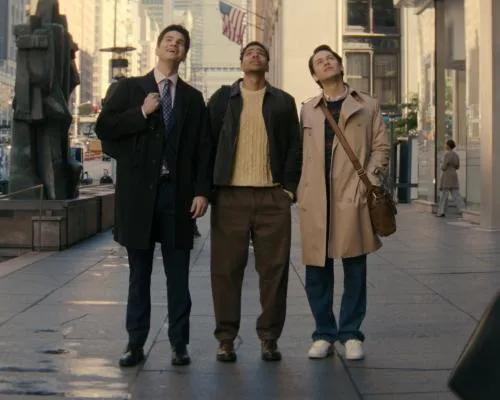
This year, however, seems devoid of such excitement. Major platforms like Netflix and Amazon have not delivered the buzzworthy new shows fans were hoping for. The launch of Widow's Bay in June, while intriguing, did not fill the void left by more recent hits. There may have been a few big returnees (The Bear for its final season, Silo, House of the Dragon) and a couple of interesting curios (the BBC’s delicious premium trash series Two Weeks in August, or Apple TV's fantastic For All Mankind spin-off Star City), but buzzy, agenda-setting new shows have failed to materialise. If you were feeling generous you might stretch the criteria to include Widow's Bay, which finished its much raved-about debut season on 17 June, but I’m not feeling generous: that was inarguably a spring sensation; its shivery, low-lit charms incompatible with a June heatwave. And, discounting that show, the cupboard is severely bare.
The Awards Season Factor
There’s a major mitigating factor here, of course: a bigger-than-ever World Cup, one that, as well as taking over the TV schedules of BBC and ITV in the UK, had by virtue of happening in North American timezones, eaten into the US primetime period where you’d usually encounter big new summer series too. Still, I’m not sure that alone is enough to excuse the dearth of shows this summer, especially when plenty will have been seeking some non-football counter-programming. And the situation hardly seems to be improving now that the World Cup is over. I can see only two upcoming series in the entirety of August that might fall into the “big new show” bucket: Lanterns, an HBO superhero series that is mainly interesting for being Damon Lindelof's first show since the excellent Watchmen; and The Shards, an FX Bret Easton Ellis adaptation from Ryan Murphy (and given Murphy’s recent track record, that has a more than slim chance of being a major disappointment).
Implications for Viewers
Where have the streamers – who don’t have to worry about such notions as “primetime” and “schedules” – been? Netflix, in particular, has endured a rotten summer so far, following on from a similarly miserable spring. Can you remember the last truly conversation-starting Netflix series? That inability to mint major new shows is said to be of serious concern to its higher-ups, according to Vulture’s TV industry columnist, Joe Adalian. Amazon has hardly fared any better – its most-discussed show, the Legally Blonde prequel Elle, has mainly prompted conversations over how wretched it is. Disney+ can only really point to the final season of The Bear as a qualified success this summer (Mindy Kaling’s Not Suitable For Work having been swiftly memory-holed), while HBO have produced little aside from the dreary House of the Dragon and a Larry David historical sketch show that landed with a thump.
A Larger Tectonic Shift
Only Apple TV seem to be at least making an effort this summer, with a regular drip-drip of programming: Maximum Pleasure Guaranteed, Star City, Lucky, Cape Fear, Silo, Sugar, and, next month, the returning Ted Lasso. Moreover, this isn’t a one-off aberration; 2025's summer season was also something of a washout. The only debuting series that hasn't been swiftly forgotten from that period was Alien: Earth. That suggests a larger tectonic shift away from the summer, and perhaps that’s the result of a greater emphasis on Emmy awards, which streaming services in particular are keen to hoover. Voting for the Emmys closes on 31 May, and in recent years there has been increasing eagerness to launch the best new series right before that cut off point. And why drop new shows in June, July, and August when most viewers will still be catching up with the deluge delivered in late spring? (Something similar could be said to happen the UK, where the Bafta TV awards cut off point is 31 December, causing an autumnal glut of series.)
It all means that TV-wise, summer is likely to be a washout for a while yet. Yes, you might have to go outside and enjoy the sunshine. Ghastly, I know. To read the complete version of this newsletter please subscribe to receive The Guide in your inbox every Friday.
Source: The Guardian

Culture News
146 posts
-
 Edvard Munch’s Freia Frieze: A Bittersweet Legacy of Art and Exploitation
An exhibition at Oslo’s Munch Museum explores the Freia frieze, revealing the intricate balance between art and labor in early 20th-century Norway.
-
 Christopher Nolan's Dominance Reshapes Box Office Landscape
Christopher Nolan's latest film, The Odyssey, is dominating the box office landscape, forcing other releases into the shadows. While his directorial style faces criticism, Nolan continues to redefine blockbuster filmmaking.
-
 Black Women Seek Comprehensive Healthcare in South Korea Amid US Disparities
Black American women are increasingly traveling to South Korea for comprehensive health check-ups due to disparities in U.S. healthcare.
-
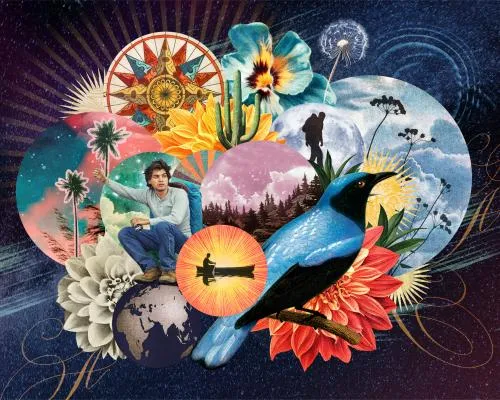 Escaping Expectations: A Hiker's Journey Through Nature and Self-Discovery
Morgan da Silva reflects on how his journey from traveling the world to hiking the Pacific Crest Trail has transformed his understanding of what it means to be free.
-
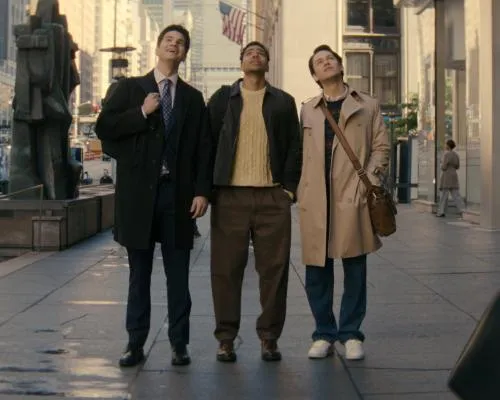 Summer TV: A Season Without Buzz
The summer TV season has been disappointing with fewer high-profile new shows and more emphasis on award seasons.
-
 Celebrity Earrings Spark Debate Over Ancient Artifacts
Celebrity appearances spark debates about the ethical handling of ancient artifacts. Earrings worn by Zendaya at a London photocall have renewed concerns over provenance and cultural heritage.
-
 Entertainment Guide: A Week of Diverse Performances and Releases
A guide to upcoming entertainment events including films, gigs, art exhibitions, and new shows.
-
 áo vest nam
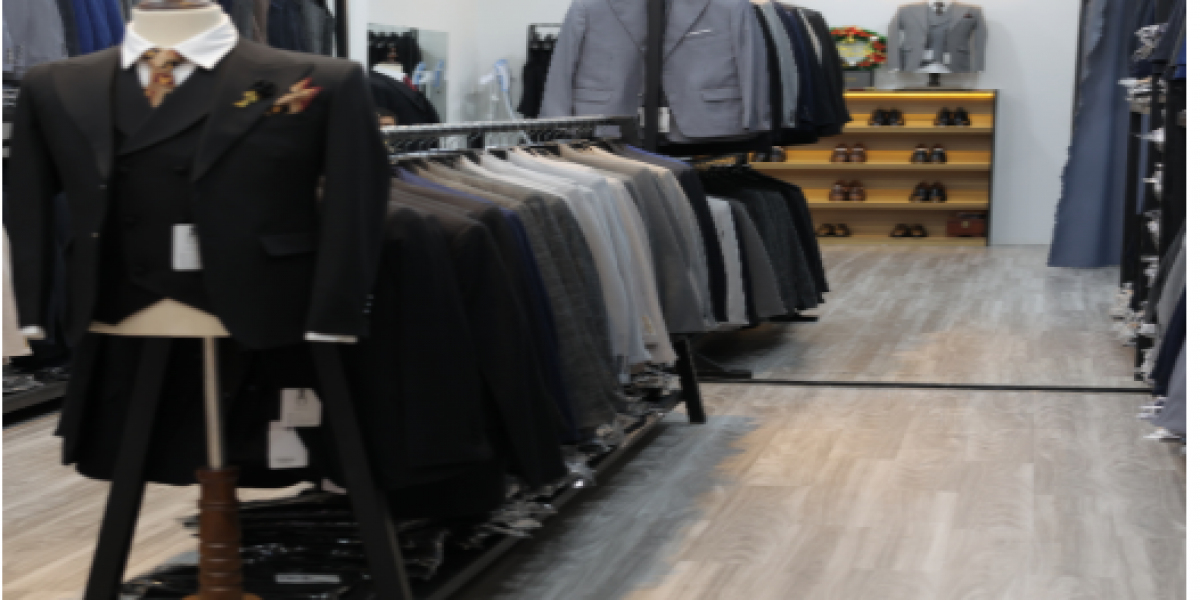
Đặc biệt, ngoài dịch vụ bán sản phẩm, Umvestnam còn cung cấp dịch vụ thuê vest nam TPHCM dành cho khách hàng có nhu cầu sử dụng trong thời gian ngắn, mang đến nhiều lựa chọn phù hợp với từng ngân sách.
-
 Entertainment Roundup: New Films, Live Events, and Must-Have Albums
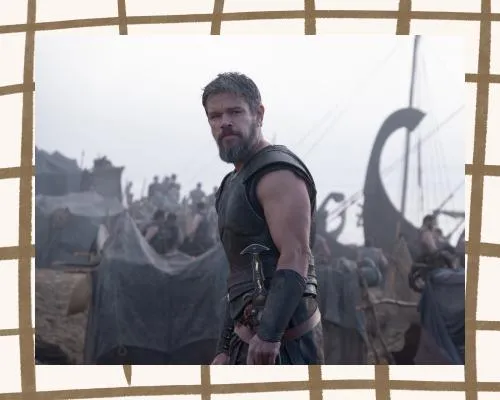
Explore the latest in cinema, live performances, albums, and more this week.
-
 Trent Park Reveals Its Spy-Laden History: A Palatial Prison of War Camp
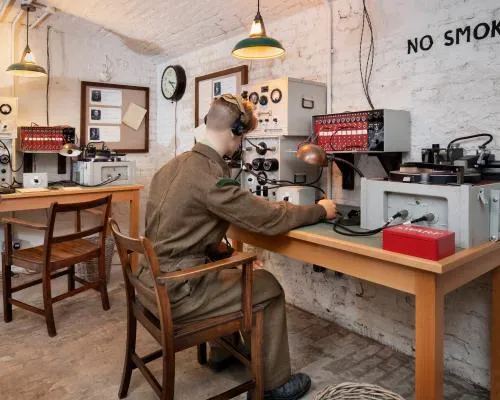
Trent Park, a historic Hertfordshire estate, has been transformed into a museum that unveils its role as a wartime spy camp during World War II.


