Indigenous Communities Face Growing Threat from Organized Crime in Amazon

- Organized crime groups are escalating activities in Indigenous territories along the Brazilian-Peruvian border.
- Local leaders appeal for government intervention to protect communities and combat illegal activities.
- The expansion of drug trafficking and environmental crimes is described as a new threat by climate scientists.
Escalating Threats in Amazon Territories
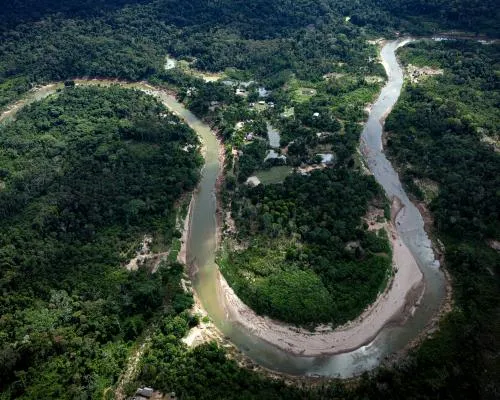
Indigenous leaders on the Brazilian-Peruvian border have said their communities are being ‘taken hostage’ by organized crime groups who are running rampant across the region, destroying rainforest, building roads and trafficking drugs. Earlier this month, masked men armed with semi-automatic weapons entered homes in Apiwtxa, a village in the Kampa do Rio Amônia Indigenous territory, intimidating people and searching for targets.
The Asháninka people, who have faced threats from intruders for decades because of their efforts to protect the forest and eject narco smugglers, have sent an urgent delegation to Brasília, seeking support from the government of President Luiz Inácio Lula da Silva. Francisco Piyãko, the general coordinator of the Organisation of Indigenous People of the Juruá River, emphasized that these threats go beyond local conflicts and represent a broader expansion of transnational criminal networks.
Piyãko stated, ‘Either the state steps in to provide protection, or communities will start organising to defend themselves – and that would be disastrous.’ This highlights the urgent need for government intervention. The delegation is advocating for a permanent security presence along the border to curb the movement of drug traffickers, illegal loggers, and the construction of unauthorized “virus roads” that damage the forest.
Impact on Forest Protection
The intrusion into Apiwtxa village is described as one of the worst incidents faced by indigenous communities in their efforts to protect the rainforest from illegal activities. The presence of organized crime groups poses a severe threat not only to local residents but also to the overall health and preservation of the Amazon Forest, according to climate scientist Carlos Nobre.
Nobre warns that this situation threatens the environment, noting, ‘The greatest new threat to the Amazon is now the nexus between drug trafficking and environmental crime.’ This threat extends beyond Acre state; neighboring Peruvian departments such as Ucayali are experiencing significant growth in coca cultivation and networks of illegal roads.
Historical Context and Recent Developments
The situation in Acre state has seen a recent rise in tension, particularly since isolated communities from Peru have been crossing the border to escape confrontations with loggers and drug cartels. One of the country’s most celebrated forest campaigners, Chico Mendes, was shot dead there in 1988. After that, there was a period of relative peace in Acre compared with other countries in the Amazon or other Brazilian states such as Pará.
More recently, however, tensions have increased significantly. Isolated Indigenous communities from Peru have been increasingly crossing the border to escape confrontation with loggers and drug cartels. Apiwtxa was the last Indigenous village visited by British journalist Dom Phillips before he was murdered in 2022 while researching illegal extractivist activities.
Case of Apiwtxa Village
The petition of the Asháninka people comes amid growing concerns about the nexus of drug trafficking and environmental crime. The most recent intrusion into Apiwtxa involved masked gunmen entering the village looking for leaders. Frightened villagers took their children into one building for protection and notified the authorities. The army arrived at midnight, by which time the would-be assassins had disappeared back into the forest, leaving only tracks.
Piyãko said this was a threat unlike any other because they came right into their homes – they entered our house. We realise that the context we’re living in now isn’t just about drug trafficking; you can see it’s a movement involving everything from wildcat mining and illegal mining to illegal logging, drug trafficking and other issues.
The Asháninka delegation in Brasília is calling for a permanent security presence along the border to prevent the free movement of drug traffickers, illegal loggers and the illicit construction of “virus roads” that push into the forest without environmental oversight. They also want greater protection for their leaders and operations to combat organised crime in the area.
The neighbouring Peruvian department of Ucayali has the widest network of illegal roads in the Peruvian Amazon, providing transport for gangs involved in environmental crime, gold, money laundering and drugs. In the past five years, coca cultivation in Ucayali has tripled. The Igarapé Institute, a public security thinktank, has said that organised crime – which often intersects with narcotics and illegal extraction of natural resources – needs a more robust response by governments across the region: ‘It is increasingly clear that the fight against organised environmental crime in the Amazon ultimately demands better intelligence and strategic prioritisation. The goal must be to strengthen Brazilian state authority to deter and repress crimes and those who commit them.’
Piyãko said this was now a matter of urgency. He added: ‘If the Peruvian and Brazilian governments joined forces and wanted to resolve the situation, they could. Because they have the means to combat this.’ If the state doesn’t protect these territories, they will be dominated by this criminal system, or the people will be forced to defend themselves on their own. This could lead to very serious situations, because as the net tightens around these territories, tensions rise.
Source: The Guardian
Green News
276 posts
-
 Study Links Early Exposure to PFAS to Intestinal Inflammation in Children
A new study from Mount Sinai's Icahn School of Medicine suggests prenatal and early-life exposure to PFAS may lead to intestinal inflammation in children, highlighting the importance of understanding early life impacts on gut health.
-
 Beat the Heat: Practical Tips from Around the Globe
Practical advice from heat experts in different regions on how to stay cool and hydrated during hot weather.
-
 Herbicide Paraquat Withdrawn from Australian Market by Syngenta
Syngenta has decided to stop selling paraquat in Australia due to new regulations linked to health concerns, leaving local farmers uncertain about their future options.
-
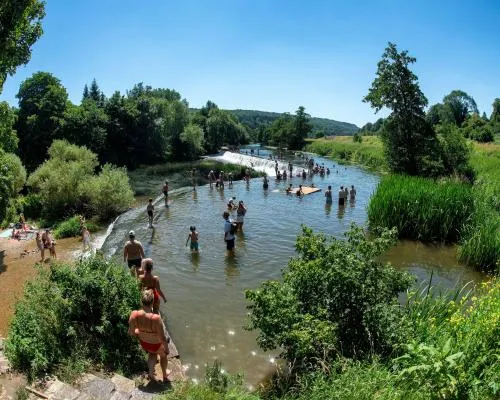 Most Riverbanks in England Lack Public Access as Extreme Heatwaves Worsen
Most riverbanks in England are off-limits to the public, affecting over 70% of catchments as access rights are lacking. Campaigners advocate for more responsible access to water and land.
-
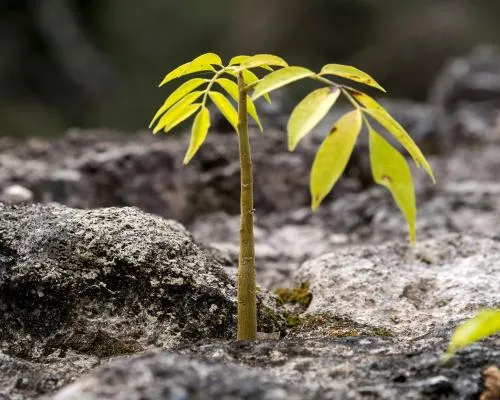 Sustainable Forestry Practices Yield Green Islands in Central America
The Maya Biosphere Reserve in Guatemala showcases how sustainable logging and community involvement can preserve forests while improving local livelihoods.
-
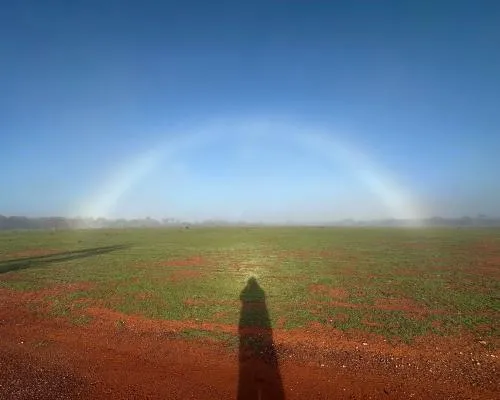 Rare Fogbows: A Meteorological Rarity in Australia
Fogbows are rare optical illusions seen in Australia during specific weather conditions. Learn about their formation and the factors required for them to appear.
-
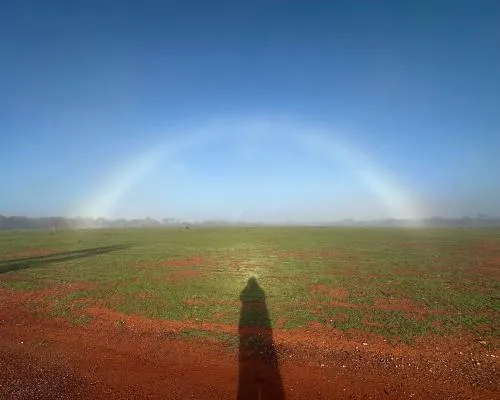 Mysterious Fogbows Emerge in Australia: A Rare Optical Illusion
Fogbows, rare atmospheric phenomena similar to rainbows but appearing in foggy conditions, have been observed in Australia. These fleeting illusions require precise alignment of sun and dense yet not too thick fog for visibility.
-
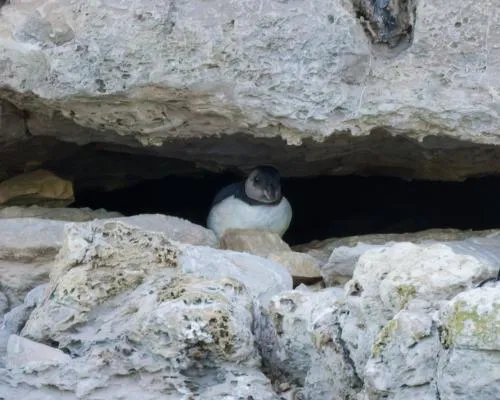 Rare Puffling Sighted After Three Decades on Dorset Coast
A rare puffling has been spotted on Dorset's coast after three decades, renewing hopes for the local puffin population.
-
 Water Leaks Outstrip Hosepipe Ban Savings in England and Wales
A new study reveals that water companies in England and Wales are losing five times more water through leaks than they could save with a hosepipe ban. Environmental campaigners warn of increasing droughts due to climate change.
-
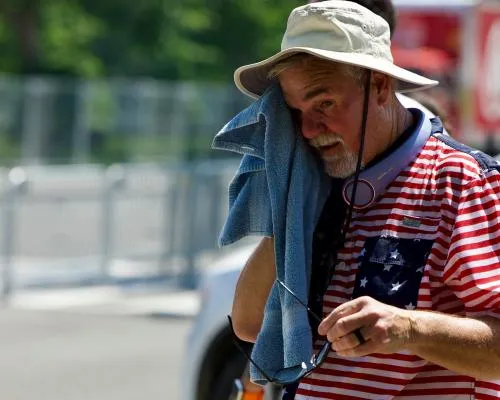 U.S. Voters Link Extreme Weather to Climate Crisis, Despite Trump’s Denials
A new survey reveals that the majority of American voters link extreme weather events, including heatwaves and floods, to the climate crisis. Despite Republican skepticism, the findings indicate growing public concern that surpasses political polarization on this issue.


