- Fuel costs increased by £105m due to Iran conflict
- EasyJet's pre-tax profit fell from £286m to £85m
- Passengers tend to book flights last minute
- Two US investment firms are vying for EasyJet
Profit Downturn
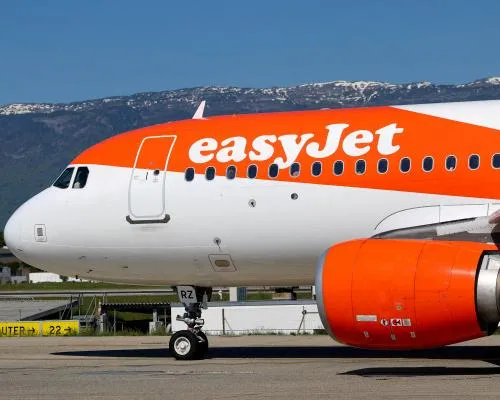
The low-cost airline easyJet has revealed a 70% slide in profits, marking a significant downturn in the company's financial health. The carrier reported a pre-tax profit of £85m between April and June compared with £286m during the same period a year earlier, as its fuel costs increased by £105m after the outbreak of hostilities in the Middle East in late February sent energy prices soaring. This decline was primarily attributed to the substantial rise in fuel expenses, which escalated due to conflicts in the region.
Impact on Operations
In addition to the soaring fuel expenses, easyJet faced another challenge: passengers opting for last-minute bookings. The company noted that this trend affected its overall financial performance and underscored the need for strategic planning to mitigate risks associated with fluctuating oil prices. Specifically, the airline reported a significant increase in late booking demand, which not only strained operational resources but also impacted revenue predictability.
Takeover Controversy
The airline is currently embroiled in a bidding war, as two US investment firms—Castlelake and Apollo Global Management—are competing for control of easyJet. The board recommended a bid from Apollo, worth over £7 per share, after careful consideration of both offers and their potential long-term implications for the airline.
Consumer Confidence and Market Reaction
Despite these challenges, easyJet reported some positive signs during its peak summer holiday season. The airline observed increased consumer confidence and a rise in late booking demand for its flights and holidays. However, the company acknowledged that passengers were still primarily motivated by competitive pricing. Kenton Jarvis, easyJet’s chief executive, commented on this trend: “Pricing has been attractive, driving strong late booking demand for our flights and holidays.”
The market's response to this news was mixed. EasyJet shares experienced an initial 10% fall but recovered more than 5% in early trading on Thursday, reflecting a degree of investor optimism amid the takeover bid uncertainty.
Market Implications and Analysts’ Views
The ongoing bidding war for easyJet has sparked concerns among analysts. Garry White, the chief investment commentator at the wealth management firm Raymond James, warned that “the very existence of a bidding war highlights what easyJet’s board has long argued: that the market has been undervaluing the business and its growth prospects for quite some time.”
Analysts have pointed out that the takeover battle between US private equity groups could become a distraction from the airline's core operations. An unnamed EU official told Reuters on Wednesday that a review of airline ownership would “protect strategic autonomy” and ensure control of regional airlines remains within Europe. EU rules demand 51% local ownership, and while Castlelake had named EU citizens as co-investors, Apollo has not explained how it plans to meet the requirements.
The market's initial reaction was cautious, with easyJet shares experiencing a significant decline following reports that the EU might tighten up airline ownership rules, potentially putting its planned takeover bids in doubt. However, investors seemed to hold out hope for a positive resolution, as the shares recovered more than 5% on Thursday morning.
Conclusion
The current situation at easyJet highlights the challenges faced by airlines in the wake of geopolitical tensions and market volatility. As the airline navigates through this period, it must balance immediate operational needs with long-term strategic considerations.
Source: The Guardian

Business Daily
305 posts
-
 Cựu CEO Techcombank Nguyễn Lê Quốc Anh làm Chủ tịch Eximbank, ngân hàng báo lãi giảm nửa
Eximbank bổ nhiệm cựu CEO Techcombank Nguyễn Lê Quốc Anh làm chủ tịch thay thế cho bà Phạm Thị Huyền Trang, đồng thời có dàn hội đồng quản trị mới đa phần là người nước ngoài. Ngân hàng báo lãi giảm nửa so với cùng kỳ năm
-
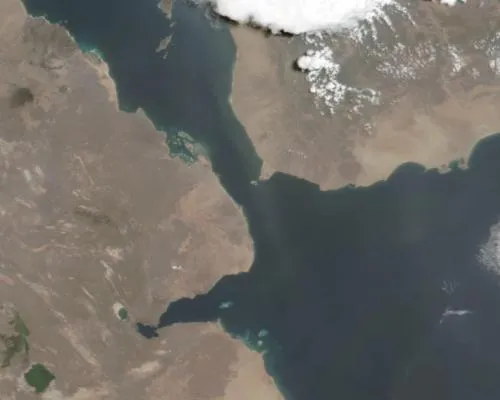 Bab al-Mandeb Blockade Threat Puts Global Oil Prices on Edge
Escalating threats in Bab al-Mandeb push oil prices above $100 per barrel, raising concerns about potential supply disruptions and wider economic impacts.
-
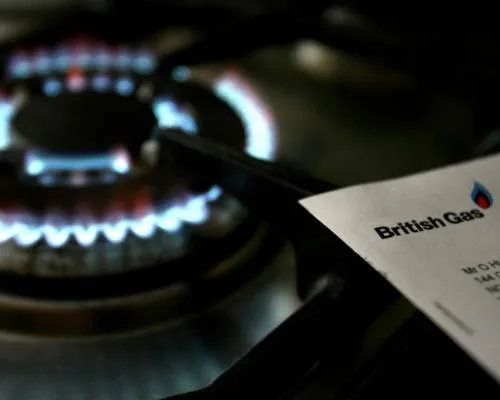 British Gas Owner Defends AI-Driven Job Cuts Amid Rising Profits
Centrica, owner of British Gas, plans to cut 1,300 call centre jobs as customers increasingly opt for digital channels. Despite job reductions, the company reports a rise in retail profits due to focus on higher-margin tariffs.
-
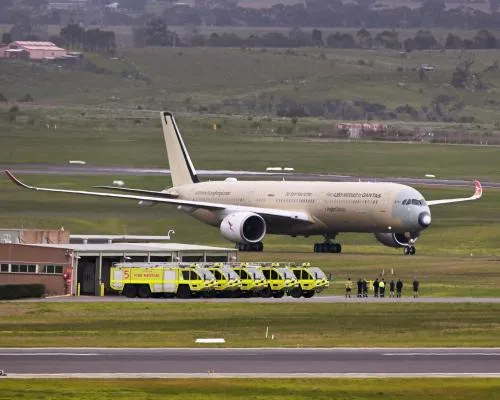 Qantas A350-1000ULR Completes Test Flight: First Nonstop Journey from France to Australia
Qantas's new A350-1000ULR completed a record-breaking test flight from France to Australia, attracting global attention and signaling progress toward their ambitious long-haul services.
-
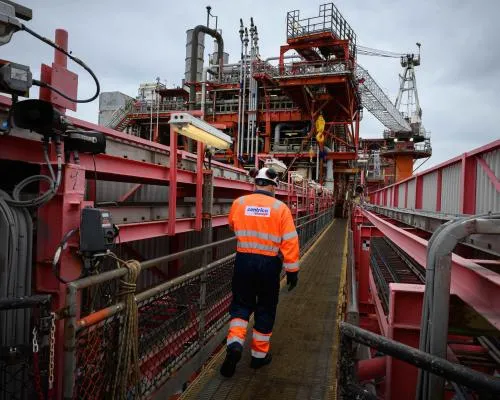 UK Energy Secretary Faces Urgent Task on Gas Storage
The UK faces urgent decisions on gas storage as Centrica warns of imminent closure unless supported by the government.
-
 UK Consumer Confidence Surges Amid Political and Economic Optimism
UK consumer confidence rose sharply in July, driven by political change and sporting success, but financial concerns remain.
-
 US Tariffs Spark Market Uncertainty Amid Rising Oil Prices
US tariffs on multiple countries have caused a drop in Asian stock markets, while rising oil prices due to geopolitical tensions add further economic uncertainty.
-
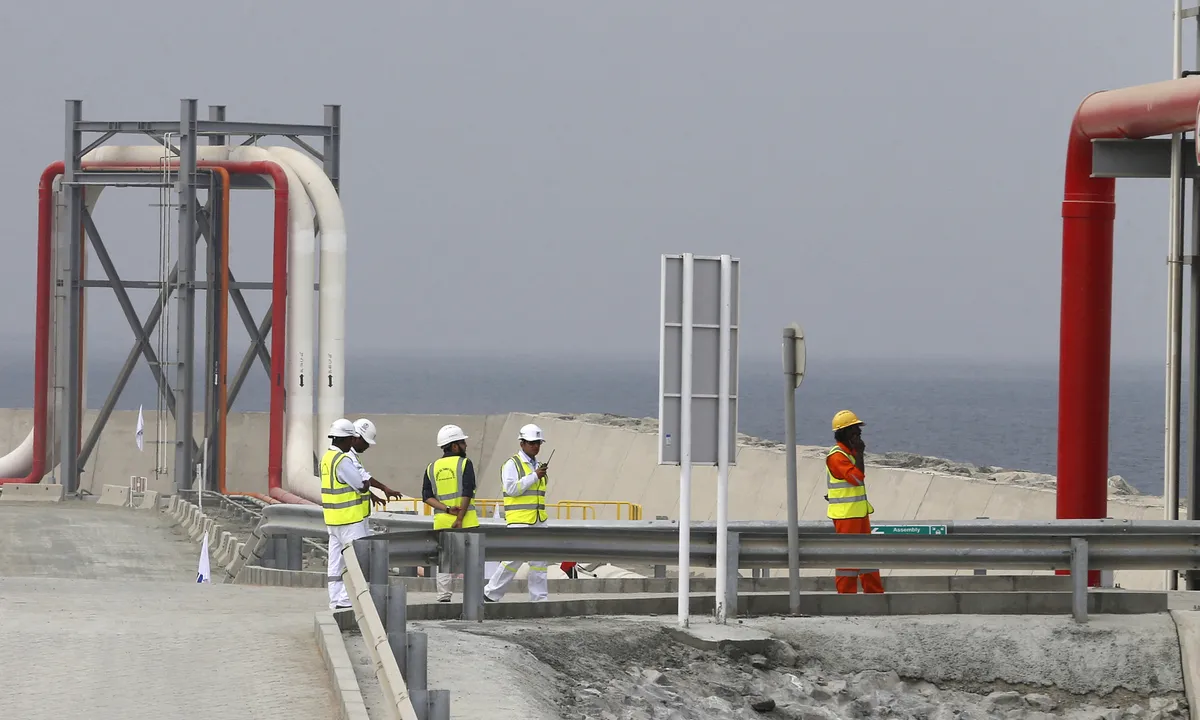 Vùng Vịnh chạy đua bơm tiền xây 7 đường ống dầu tránh eo biển Hormuz
Vùng Vịnh đang nhanh chóng xây dựng mạng lưới đường ống dầu trị giá hàng tỷ USD để giảm phụ thuộc vào eo biển Hormuz. Bài viết tóm tắt các dự án cụ thể của Abu Dhabi và Iraq, cũng như phân tích từ Goldman Sachs về triển vọ
-
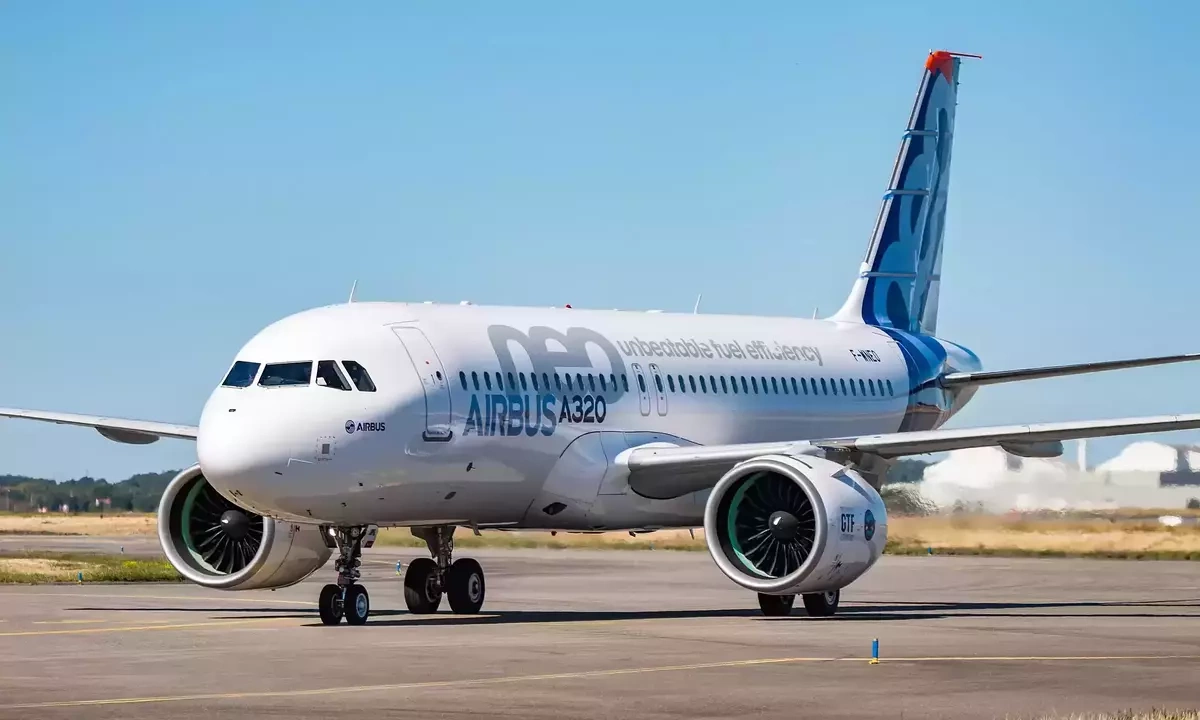 Airbus và Boeing rục rịch cho cuộc đua máy bay thân hẹp mới: 40 năm cạnh tranh, Ai cập bến?
Airbus và Boeing lên kế hoạch cho máy bay thân hẹp thế hệ mới, đánh dấu sự trở lại của cuộc chiến 40 năm giữa hai hãng hàng không lớn nhất thế giới. Bài viết tóm tắt quá trình phát triển và xu hướng cạnh tranh trong phân khúc
-
 PNJ giãn tiến độ thanh toán với khách bán vàng, bạc: 5 điểm chính
PNJ thay đổi phương thức thanh toán khi thu lại sản phẩm từ khách hàng, kéo dài đến 120 ngày. Khách có thể chọn đổi sang sản phẩm khác để nhận chiết khấu.


