- Trent Park served as a high-ranking German prisoners' camp during World War II, with secret listening stations.
- Jewish refugees listened in on the prisoners, providing valuable intelligence for code-breaking efforts.
- The museum recreates this period accurately, showcasing the house's hidden bugging system and its wartime purpose.
Historical Layers of Trent Park
Trent Park has a rich and varied history, with each era leaving indelible marks on the grand estate. Built in the 1770s by George III after he leased some land to his favourite doctor, Sir Richard Jebb, the house initially served as a Georgian retreat for the royal family. The Bevan banking family later acquired it and expanded its size, while the Sassoon family further enhanced the property with extensive remodeling in the 1920s.
A Secret of War
During World War II, the government repurposed this stately home as a prisoner-of-war camp for high-ranking German generals. The luxurious surroundings were designed to make prisoners feel at ease, but every conversation was secretly recorded and monitored by Jewish refugees from the basement. The bugging system installed throughout the house, even in garden rose bushes, intercepted crucial information about German military strategies. For instance, discussions of V2 rocket technology led to its eventual discovery by Allied forces, while talks on communication systems were also noted. These conversations provided valuable intelligence that contributed to code-breaking efforts at Bletchley Park.
The Museum Experience
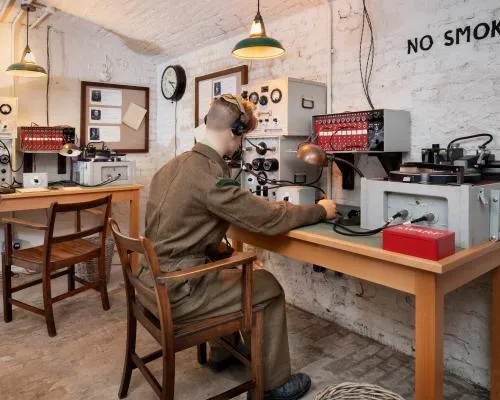
Trent Park House of Secrets, opening on July 21 in London, offers a detailed look into this clandestine operation. Visitors can explore the recreated listening stations, complete with mannequins and period-appropriate props, giving them an immersive experience of the house's wartime activities. The museum faithfully recreates the atmosphere, from the damp cellar where intelligence was gathered to the luxurious library where prisoners felt comfortable enough to divulge their secrets. The exhibits include original artifacts such as intercepted letters, recordings, and detailed descriptions, providing a comprehensive understanding of this pivotal period in history.
Philip Sassoon, a mega-socialite who spent millions transforming the property into his dream country house, is depicted through vivid portraits by John Singer Sargent. These paintings hang flanking a huge bookcase in the library, showing Philip as intense and aloof while his sister Sibyl exudes elegance and sombre grace. Visitors can push that bookcase to reveal a secret entrance down into the basement, where history comes alive.
The basement has been faithfully recreated here: a mannequin sits at his station with headphones on, pen poised. The captain’s bed is neatly made, the housekeeper’s cellar is stocked with tea, herbs, wine, and German books. It smells of damp, the wool blankets are rough and itchy, the sheets starched stiff. This was a place of resistance, subterfuge, where the Germans could be lured into a false sense of security and taken for all they had.
However, this wasn’t all good. Listeners heard conversations about German atrocities, but authorities did nothing with that information. They didn't even submit it to the Nuremberg trials in the 1950s, worried their secret technology would be exposed. Good or bad, it’s all lovingly recreated here, filled with neatly presented information and era-appropriate trinkets and decoration.
The museum largely concentrates on the house's role in the war, mainly because it is interesting and sets it apart from every other gaudy National Trust-style mansion in this country. But it’s the clashing layers of history built into the house’s very foundations – caked into its paint and wallpaper – that make it feel special. In its transformation from Georgian to Victorian to mock-Georgian to wartime austerity and postwar dereliction, the house becomes a portrait of England's changing fortunes and tastes.
That is what is amazing about places like this; they are not just grand houses or follies of the rich brought back to life. They are containers of history, and Trent Park sure saw its fair share of that. The layers of history painted on every wall, in every room, tell a story of England's journey through war, prosperity, and decline.
Source: The Guardian

Culture News
137 posts
-
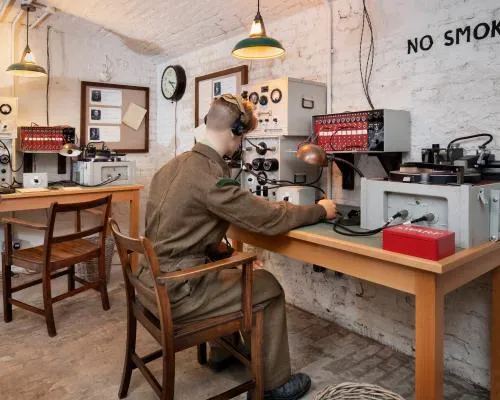 Trent Park Reveals Its Spy-Laden History: A Palatial Prison of War Camp
Trent Park, a historic Hertfordshire estate, has been transformed into a museum that unveils its role as a wartime spy camp during World War II.
-
 Anna Friel: The Lighting Expert and No-Nonsense Actress
British actress Anna Friel discusses her role in 'The F Ward' medical drama, her passion for lighting design, and shares reflections on memorable fan interactions and favorite films.
-
 Anna Friel Reflects on No-Nonsense Women and Lighting in Her New Australian Drama
Actor Anna Friel discusses her role in 'The F Ward,' shares tips on learning lines in the bath, and reflects on nostalgic favorites from the 80s.
-
 Late Night Show Highlights Trump's Poor Approval Ratings and Controversial Policies
Seth Meyers used his late-night show to dissect Donald Trump's low approval ratings and controversial policies, including new tariffs on Canadian goods and demands for stricter voter ID laws.
-
 Barnaby Joyce's Controversial Live Dog Outburst During 7.30 Interview
Former Australian deputy prime minister Barnaby Joyce’s outburst during an ABC interview has gone viral, highlighting One Nation’s controversial leadership and policies.
-
 Seth Meyers Jokes About Trump's Social Media Posts and More
Seth Meyers used his late-night show to critique Donald Trump's social media posts and comments, including jokes about his World Cup wishes and other random tidbits.
-
 Seth Meyers’ Late-Night Insights on Trump’s World Cup Mishaps
Seth Meyers discusses Donald Trump's awkward World Cup visit, his booed appearance in New York, and his conflicting claims about the Iran war.
-
 Mỗi vóc dáng cần một cách lựa chọn khác nhau
Các đơn vị chuyên về vest nam tphcm hiện nay thường cung cấp nhiều dòng sản phẩm khác nhau, từ vest công sở, vest dự tiệc đến vest dành cho lễ cưới, giúp khách hàng dễ dàng tìm được mẫu phù hợp với nhu cầu sử dụng. Đồng th
-
 Exploring Victorian Poverty Through an Immersive Workhouse Experience
The Ripon Workhouse Museum has reopened after a major revamp, offering visitors a more immersive experience to explore the harsh realities of Victorian workhouses and their relevance to contemporary issues.
-
 Black Women Opt for Healthcare in South Korea Amid US Disparities
Black American women are increasingly turning to South Korea for comprehensive healthcare due to perceived disparities in U.S. medical treatment.


